Cannabinoids
What Are Cannabinoids?
Cannabinoids are a broad group of compounds associated with the biology and chemistry of cannabis and the body’s endocannabinoid system. The term includes plant constituents such as tetrahydrocannabinol (THC) and cannabidiol (CBD), signalling molecules made by the body, and laboratory-developed compounds that interact with cannabinoid receptors. These groups overlap in their biology, but differ considerably in structure and effects.
THC produces the characteristic intoxication associated with cannabis. CBD does not reproduce that pattern. Endogenous cannabinoids participate in ordinary physiological signalling, while some synthetic receptor agonists can produce severe poisoning.
From a Plant to a Signalling System
In 1990, cloning of the receptor now called CB1 provided evidence for a specific biological target through which cannabinoids could act. A second receptor, CB2, was characterized in 1993. Both belong to the large family of G protein-coupled receptors, which relay signals across cell membranes.
Between those discoveries, researchers isolated anandamide from brain tissue. Its ability to bind cannabinoid receptors suggested that the receptors had endogenous partners: molecules produced within the organism itself. Another important endocannabinoid is 2-arachidonoylglycerol, usually abbreviated to 2-AG.
Endocannabinoids are lipid-derived messengers. Together with their receptors and the enzymes responsible for their formation and breakdown, they form a system involved in regulating communication between cells. Plant cannabinoids interact with an existing physiological signalling system.
What CB1 and CB2 Do
CB1 receptors are abundant in the nervous system and are also found outside it. At many synapses, endocannabinoids act as local feedback signals: a receiving neuron can influence the release of neurotransmitters from the neuron communicating with it. This is one reason cannabinoid activity can affect memory, movement, sensory processing and the regulation of pain.
CB2 receptors are particularly associated with immune cells and inflammatory processes. The familiar shorthand of CB1 as the “brain receptor” and CB2 as the “immune receptor” is useful only as a first approximation. Receptor distribution depends on cell type and physiological conditions, and neither receptor is confined to a single organ system.
Activating a receptor does not produce one fixed outcome everywhere it occurs. The response depends on which cells express it, the signalling machinery available in those cells and the concentration and duration of exposure. A compound’s affinity for CB1 or CB2 describes binding under experimental conditions; it does not by itself establish a clinical effect.
Why THC and CBD Behave Differently
THC acts as a partial agonist at cannabinoid receptors in many experimental systems. It can activate CB1 signalling without producing the maximum response obtainable with higher-efficacy agonists in the same assay. That does not mean its effects are necessarily mild. Receptor availability, exposure and individual susceptibility still matter.
CBD acts at several molecular targets. In cell experiments published in 2015, CBD reduced aspects of CB1 signalling induced by THC and 2-AG, behaving as a negative allosteric modulator. An allosteric effect changes how a receptor responds through an interaction distinct from the principal agonist-binding site. CBD also has actions that cannot be explained by CB1 alone.
Those findings do not mean that CBD reliably cancels THC intoxication in people. In a randomized study of on-road driving, THC-containing cannabis impaired lane control, including when CBD was present in an equivalent amount. The CBD-dominant preparation did not show the same significant effect in that experiment, but the trial did not establish that every CBD preparation or exposure is free of impairment.
What Clinical Evidence Applies To
Clinical studies examine defined preparations in particular patients. They do not test “cannabinoids” as a single treatment. This distinction is especially important when results involving a purified pharmaceutical compound are discussed alongside plant extracts containing many constituents.
A randomized trial in patients with Dravet syndrome found that adjunctive pharmaceutical cannabidiol reduced convulsive seizure frequency compared with placebo. Adverse effects included gastrointestinal symptoms and somnolence, and elevated liver enzymes occurred in some participants receiving concomitant valproate. These results concern the pharmaceutical preparation and patients studied.
A laboratory finding about inflammation, for example, is an earlier kind of evidence than a controlled clinical result. It may justify further investigation without demonstrating a treatment benefit.
Synthetic Compounds and Chemical Identity
Some laboratory-made cannabinoids were developed as tools for studying receptors. Others reproduce a naturally occurring molecule or modify its structure. Still others have very different molecular frameworks but activate the same receptors. Synthetic origin alone does not determine whether two compounds will behave alike.
Many substances described as synthetic cannabinoids in drug-monitoring reports are potent cannabinoid receptor agonists with little structural resemblance to THC. Their pharmacology and clinical toxicity need to be assessed separately from cannabis. Describing them as research chemicals says nothing about the depth of that assessment.
Analytical work must also distinguish individual cannabinoids, their chemical forms and possible contaminants. A certificate of analysis is meaningful only in relation to the material sampled and the methods used. Confirming that a sample contains a particular cannabinoid answers an identity question; it does not establish that the compound is suitable for a medical purpose.
Showing 1–16 of 55 results
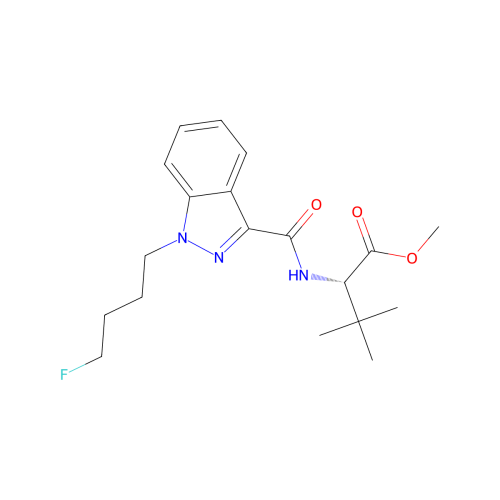
4F-ADB
Price range: $452.00 through $9,240.00Select options This product has multiple variants. The options may be chosen on the product page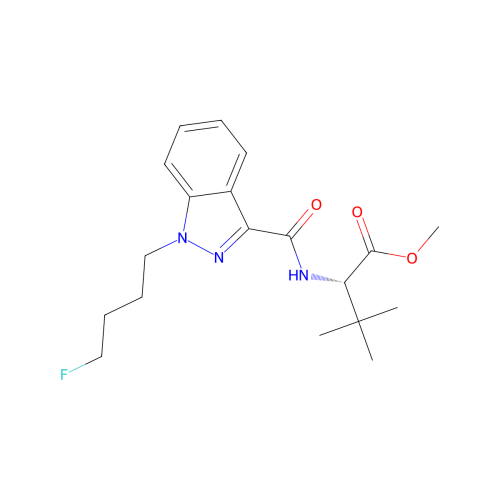
4F-AMB
Price range: $452.00 through $9,240.00Select options This product has multiple variants. The options may be chosen on the product page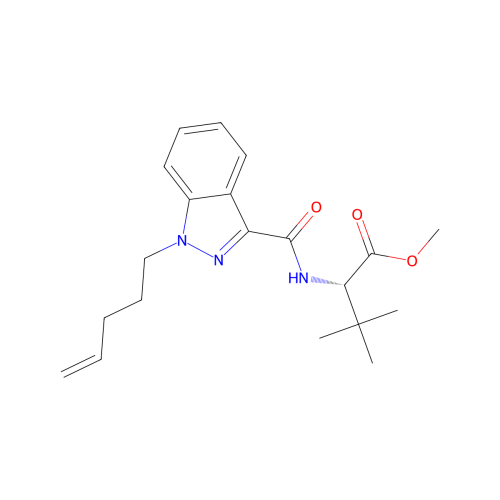
5-CL-ADB-A
Price range: $452.00 through $9,240.00Select options This product has multiple variants. The options may be chosen on the product page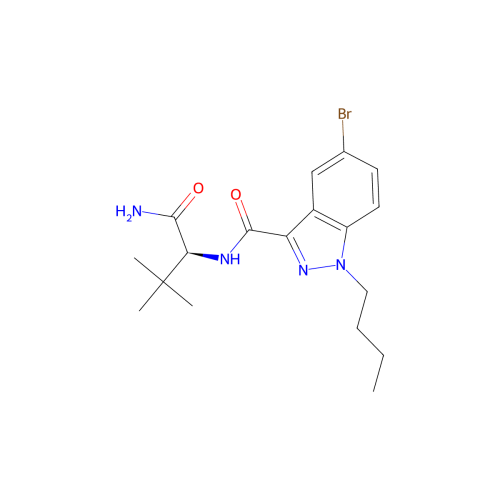
5BR-ADB-INACA
Price range: $452.00 through $9,240.00Select options This product has multiple variants. The options may be chosen on the product page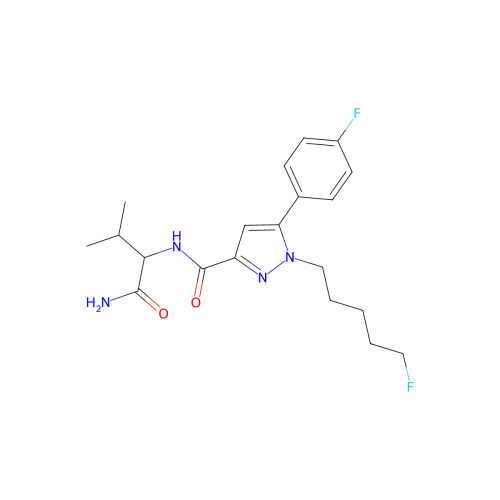
5F-AB-FUPPYCA
Price range: $452.00 through $9,240.00Select options This product has multiple variants. The options may be chosen on the product page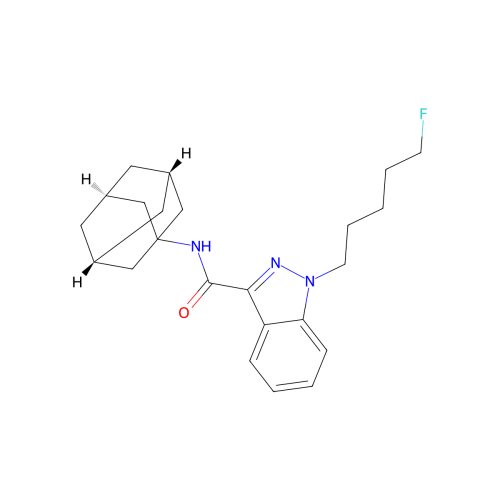
5F-AKB48
Price range: $452.00 through $9,240.00Select options This product has multiple variants. The options may be chosen on the product page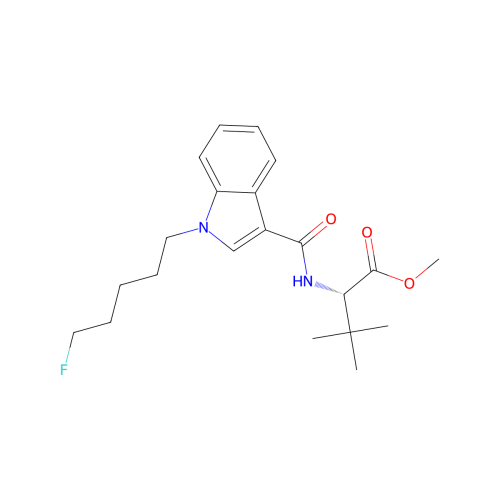
5F-MDMB-2201
Price range: $452.00 through $9,240.00Select options This product has multiple variants. The options may be chosen on the product page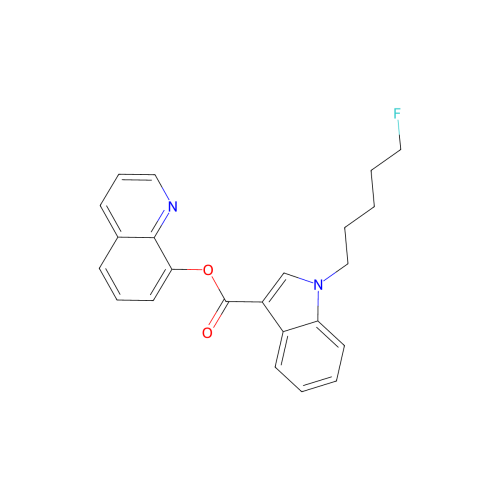
5F-PB-22
Price range: $452.00 through $9,240.00Select options This product has multiple variants. The options may be chosen on the product page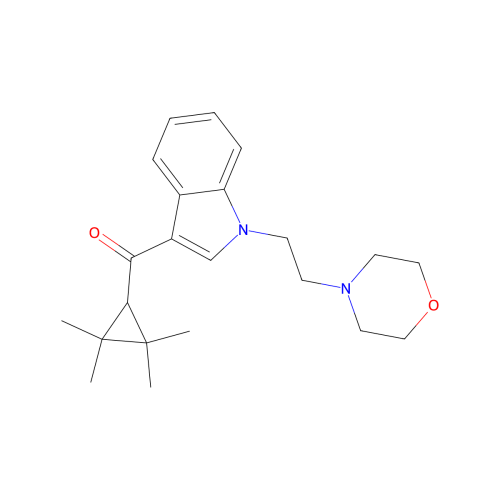
A-796,260
Price range: $452.00 through $9,240.00Select options This product has multiple variants. The options may be chosen on the product page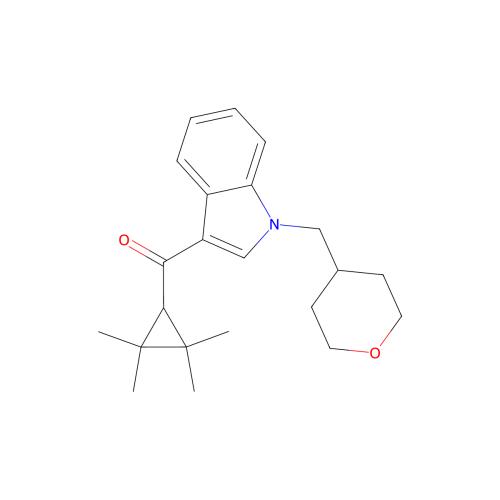
A-834,735
Price range: $452.00 through $9,240.00Select options This product has multiple variants. The options may be chosen on the product page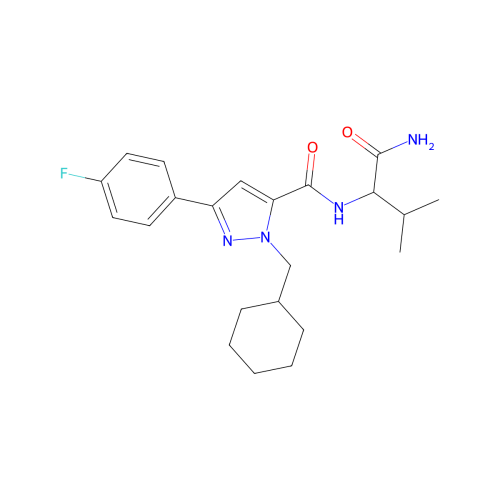
AB-CHFUPYCA
Price range: $452.00 through $9,240.00Select options This product has multiple variants. The options may be chosen on the product page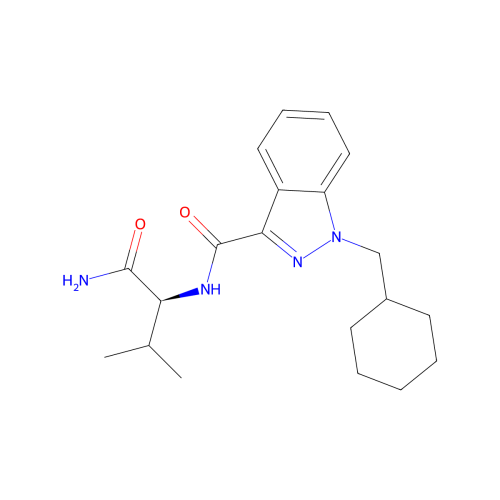
AB-CHMINACA
Price range: $452.00 through $9,240.00Select options This product has multiple variants. The options may be chosen on the product page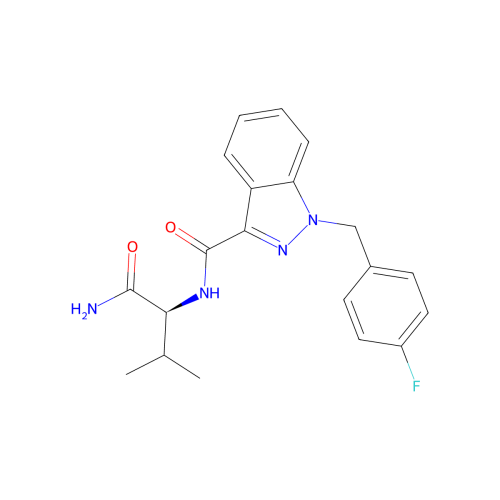
AB-FUBINACA
Price range: $452.00 through $9,240.00Select options This product has multiple variants. The options may be chosen on the product page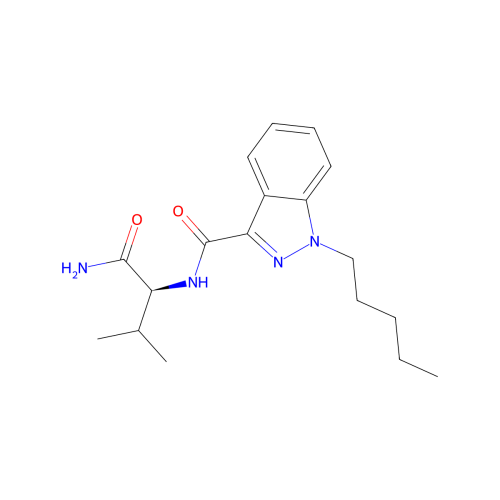
AB-PINACA
Price range: $452.00 through $9,240.00Select options This product has multiple variants. The options may be chosen on the product page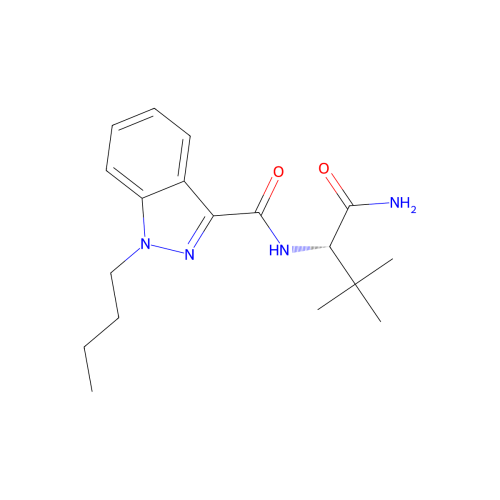
ADB-BUTINACA
Price range: $452.00 through $9,240.00Select options This product has multiple variants. The options may be chosen on the product page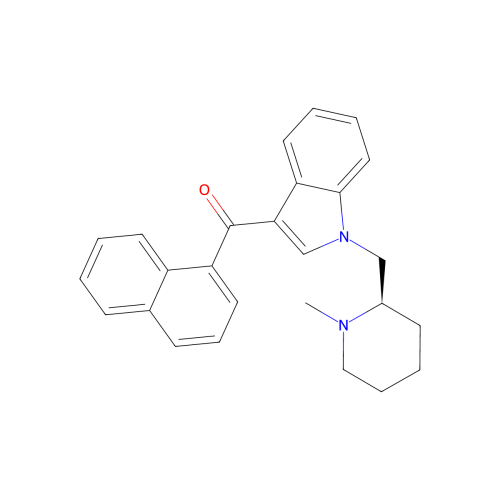
AM-1220
Price range: $410.00 through $8,715.00Select options This product has multiple variants. The options may be chosen on the product page