Phenethylamines
Phenethylamines are compounds based on a phenyl ring linked to an amine through a two-carbon chain. The wider family includes naturally occurring signalling molecules as well as drugs with stimulant, empathogenic or psychedelic effects. The discussion here concerns the stimulant members and the structural relationships that connect them.
The name can also refer to the parent molecule, beta-phenethylamine, often abbreviated to PEA. This compound is not interchangeable with the entire class. Amphetamine, methamphetamine and the many derivatives described as research chemicals retain aspects of the same framework, but have different pharmacology and metabolism.
The Parent Molecule Is a Trace Amine
Beta-phenethylamine occurs at low levels in mammalian nervous systems. Research on trace-amine receptors identified a family of G protein-coupled receptors and demonstrated that selected members responded to trace amines. This helped establish a biological role for molecules whose functions had been less clear than those of classical neurotransmitters.
Enzymatic breakdown is also important. Early research on brain monoamine oxidase identified beta-phenethylamine as a substrate for the type B enzyme. The activity of a parent compound therefore depends on more than whether it can interact with a signalling target: the body also determines how much remains available.
A molecule’s occurrence in the body does not establish the effects of an external exposure, and it says even less about a chemically modified relative. Endogenous signalling involves particular locations, concentrations and patterns of release.
How the Stimulant Families Fit Together
Amphetamine has a methyl group on the carbon next to the amine. Methamphetamine adds a methyl group on the nitrogen. Cathinones have a carbonyl group at the beta position. Further changes can place the nitrogen in a ring or modify the aromatic portion of the molecule.
These classifications are nested rather than mutually exclusive. An amphetamine can also be a substituted phenethylamine, while stimulant describes its effects. Conversely, mescaline belongs to the broad phenethylamine family but is usually discussed as a serotonergic psychedelic. The structural name alone does not decide which effect will dominate.
Position numbers are part of the chemical identity. Moving a fluorine or methyl substituent around an aromatic ring produces a different compound even when the molecular formula stays the same. A certificate of analysis needs to identify that structure, not merely report a name resembling that of a familiar stimulant.
Similar Structures Can Change Signalling Differently
Many stimulant phenethylamines influence dopamine and noradrenaline, but their interactions with transporters vary. Some act as substrates that promote transmitter release. Others mainly inhibit uptake. Serotonin activity can also differ substantially between related compounds.
In a study of compounds at human monoamine transporters, 4-fluoroamphetamine acted as a substrate at dopamine, noradrenaline and serotonin transporters. Several pyrrolidinophenones tested in the same investigation instead behaved as uptake inhibitors without inducing transmitter release. Shared stimulant effects can therefore arise from distinct molecular actions.
Transporter experiments measure defined cellular responses. They cannot, on their own, determine how sociable, focused or anxious a person will feel. Nor does a strong dopamine-related action establish that a compound improves attention under every condition.
4-FA: Mood, Performance and Blood Pressure
4-Fluoroamphetamine, or 4-FA, illustrates why subjective and physiological outcomes need to be considered together. A controlled study involving twelve healthy volunteers found increased positive mood and improvements on some attention and motor measures. It also recorded a marked rise in blood pressure followed by a sustained increase in heart rate.
After reviewing safety data from the first five participants, the researchers cancelled the planned higher-exposure condition. Complete comparisons were therefore available only for placebo and the lower condition. The positive psychological ratings did not remove the cardiovascular concern.
Showing all 5 results
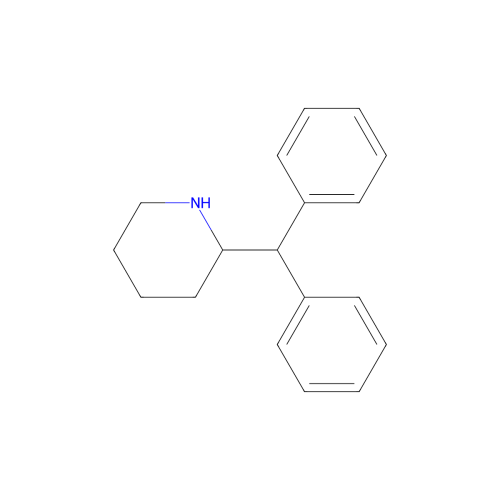
Desoxypipradrol
Price range: $410.00 through $2,996.00Select options This product has multiple variants. The options may be chosen on the product page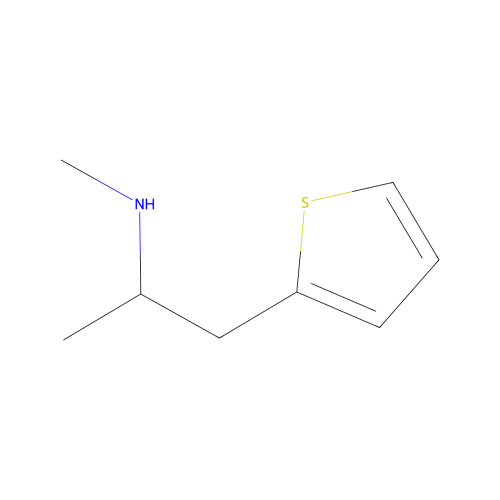
Methiopropamine
Price range: $368.00 through $2,882.00Select options This product has multiple variants. The options may be chosen on the product page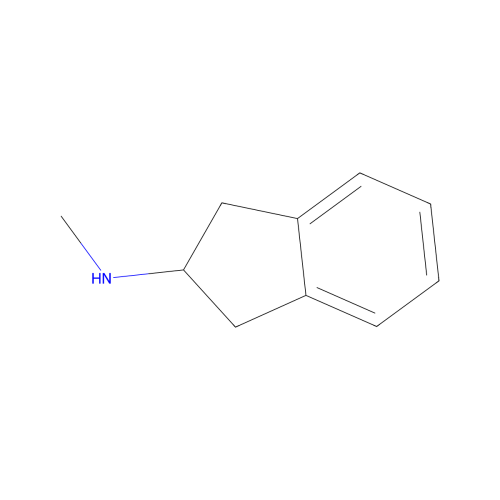
NM-2-AI
Price range: $368.00 through $2,882.00Select options This product has multiple variants. The options may be chosen on the product page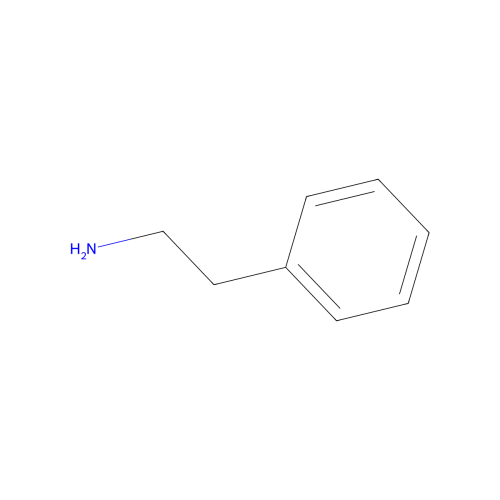
Phenethylamine
Price range: $452.00 through $2,310.00Select options This product has multiple variants. The options may be chosen on the product page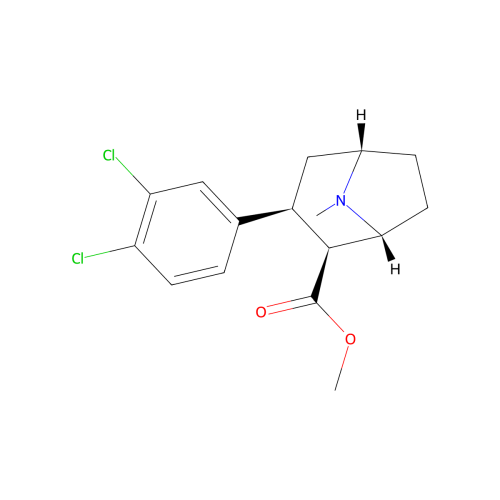
RTI-111
Price range: $368.00 through $2,882.00Select options This product has multiple variants. The options may be chosen on the product page