Dissociatives
What Are Dissociatives?
Dissociatives are substances that can disrupt the usual integration of perception, bodily awareness, memory and the sense of self. A person may feel detached from their surroundings or experience the body as distant, unfamiliar or difficult to locate in space. The word describes a pattern of effects rather than one molecular family.
Ketamine and phencyclidine, usually called PCP, are well-known examples. The group spans several chemical families. Dissociation also occurs without drugs, so the description of a drug effect should not be confused with a diagnosis of a dissociative disorder.
Perception, Awareness and Memory
Early anaesthetic research used the term to describe ketamine’s unusual effects on awareness of pain and surroundings. Its early human investigation was reported in the 1965 study of CI-581, the compound later known as ketamine.
At exposures below those used for anaesthesia, dissociative effects can include changes in the apparent size or position of the body, altered time perception, impaired coordination and difficulty following events. These changes may be accompanied by anxiety, confusion or unusual beliefs. Subjective detachment does not imply that a person retains normal judgement or can accurately assess their own impairment.
In a placebo-controlled ketamine experiment in 19 healthy volunteers, researchers measured perceptual alterations, dissociative symptoms and impairment on several cognitive tasks. Delayed word recall was affected differently from some other memory measures.
NMDA Receptors and Communication Between Neurons
Many of the best-studied dissociatives inhibit the N-methyl-D-aspartate receptor, abbreviated to NMDA receptor. This receptor is an ion channel involved in glutamate signalling. Its activity contributes to synaptic communication and to forms of plasticity through which the strength of connections between neurons changes.
Ketamine and PCP can block the receptor’s channel rather than simply competing with glutamate at its binding site. Their effects depend on receptor activity and other properties of the channel. Interfering with this signalling changes how networks process information.
NMDA inhibition is a useful common mechanism, but it does not make all such compounds interchangeable. They can differ in how they enter and leave the channel, how long they remain in the body, and their activity at additional receptors or transporters. A shared binding target can therefore coexist with different effects on movement, arousal and cognition.
Several Chemical Families Can Produce Dissociation
Arylcyclohexylamines include ketamine, PCP and a number of related compounds. Diarylethylamines include diphenidine, methoxphenidine and ephenidine. These families are structurally distinct even though selected members interact with NMDA receptors.
There are also dissociative effects associated with substances outside those two groups. Dextromethorphan and its metabolite dextrorphan, for example, belong to a different structural family. The scope of the word “dissociative” consequently depends on whether a discussion concerns chemical classification, receptor pharmacology or subjective effects.
Newer compounds are sometimes discussed together as research chemicals. That description should not obscure the uneven evidence. Ketamine has extensive clinical literature, while some analogues are represented mainly by receptor studies, analytical reports and individual intoxications. Findings about one cannot automatically supply the missing clinical history of another.
Medical Research Uses Specific Compounds
Dissociative pharmacology has relevance beyond anaesthesia. Controlled ketamine studies helped establish that changes in depressive symptoms can occur on a much shorter timescale than was traditionally associated with antidepressant treatment.
A randomized trial published in 2006 examined ketamine in treatment-resistant major depression. It reported a rapid antidepressant effect in selected, monitored patients. The findings concerned ketamine within that protocol, rather than dissociatives as a category.
The relationship between dissociation during treatment and later symptom improvement is a separate question. Two effects occurring after the same drug do not establish that one causes the other. Likewise, NMDA receptor activity alone cannot demonstrate that an untested analogue has antidepressant efficacy.
Acute Impairment and Repeated Exposure
Acute dissociative effects can interfere with coordination, attention and awareness of hazards. Analgesia may also make an injury less obvious. Severe agitation, loss of consciousness or impaired breathing in an intoxicated person requires urgent medical assessment; the appearance of detachment does not identify which substance is involved.
A 2007 clinical series of ketamine-associated ulcerative cystitis described bladder disease in people with substantial ketamine use. Subsequent clinical attention to urinary pain, frequency and reduced bladder capacity established this as more than an acute intoxication problem. The evidence concerns ketamine; the absence of comparable case series for another dissociative cannot establish that it lacks urinary toxicity.
Persistent cognitive symptoms raise further questions about exposure history, concurrent substances and pre-existing conditions. These details belong in an assessment of longer-term safety, alongside the pattern of use and the timing of symptoms. A brief episode of impaired recall during an experiment is a different finding from a difficulty that persists after the acute effects have resolved.
Showing 1–16 of 26 results
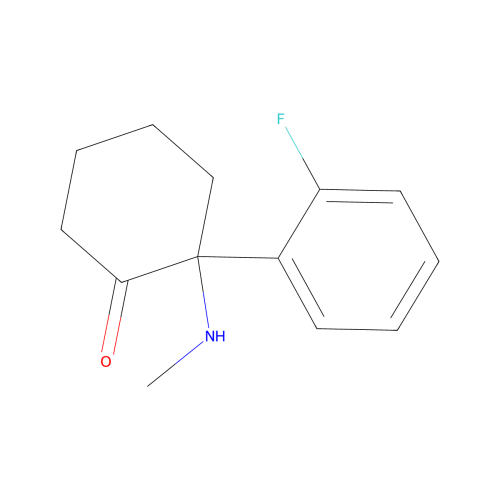
2-FDCK
Price range: $452.00 through $9,240.00Select options This product has multiple variants. The options may be chosen on the product page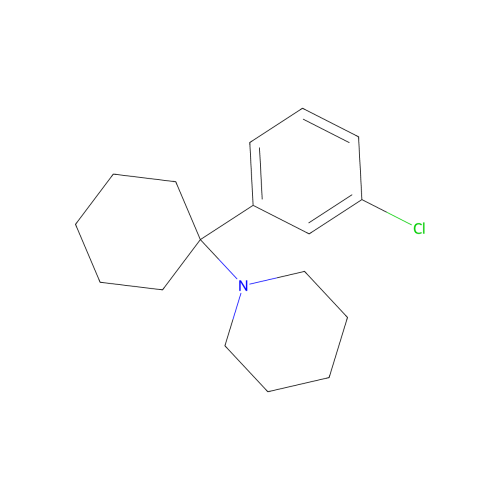
3-Cl-PCP
Price range: $452.00 through $9,240.00Select options This product has multiple variants. The options may be chosen on the product page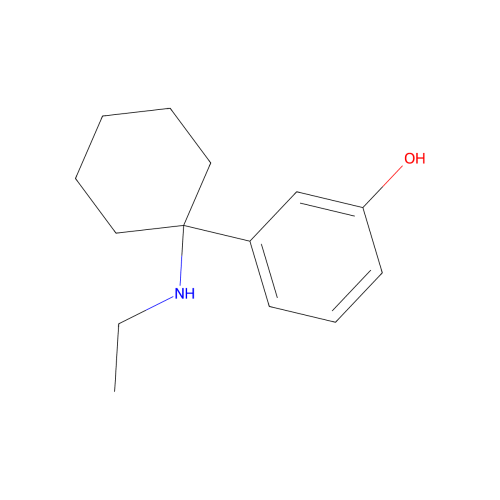
3-HO-PCE
Price range: $452.00 through $9,240.00Select options This product has multiple variants. The options may be chosen on the product page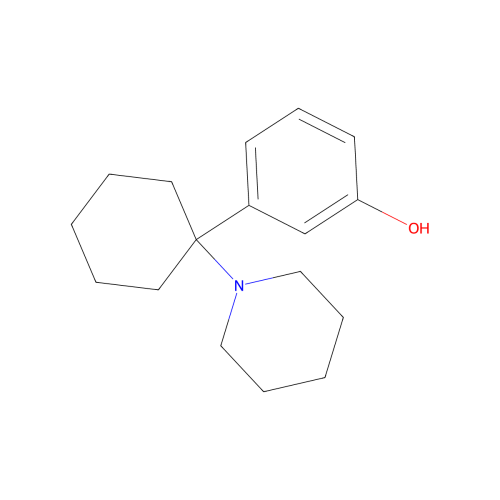
3-HO-PCP
Price range: $452.00 through $9,240.00Select options This product has multiple variants. The options may be chosen on the product page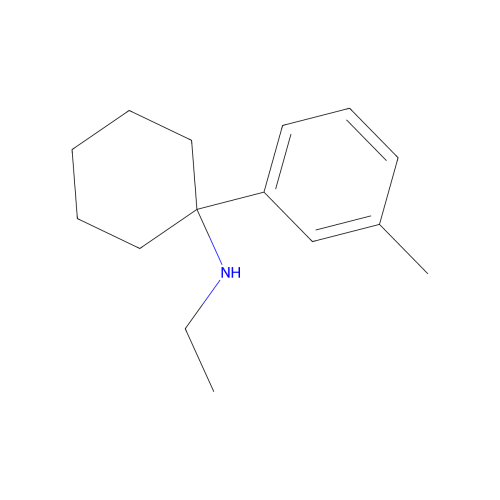
3-Me-PCE
Price range: $452.00 through $9,240.00Select options This product has multiple variants. The options may be chosen on the product page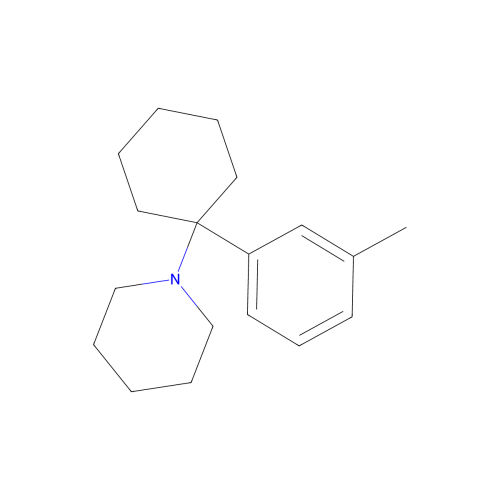
3-Me-PCP
Price range: $452.00 through $9,240.00Select options This product has multiple variants. The options may be chosen on the product page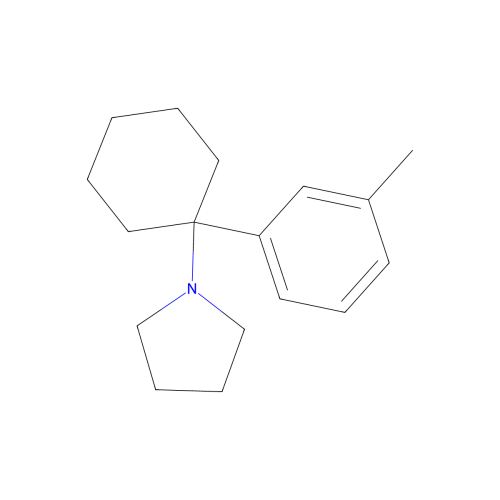
3-Me-PCPy
Price range: $452.00 through $9,240.00Select options This product has multiple variants. The options may be chosen on the product page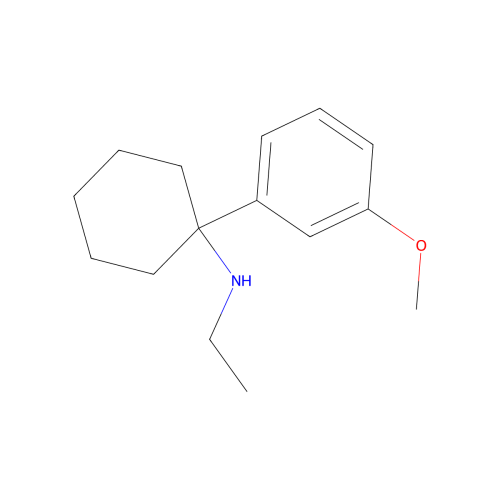
3-MeO-PCE
Price range: $452.00 through $9,240.00Select options This product has multiple variants. The options may be chosen on the product page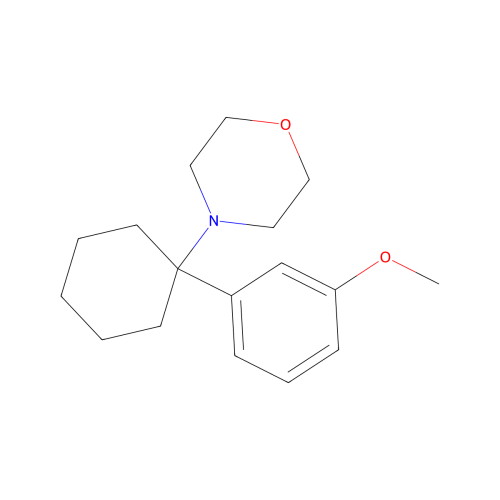
3-MeO-PCMo
Price range: $452.00 through $9,240.00Select options This product has multiple variants. The options may be chosen on the product page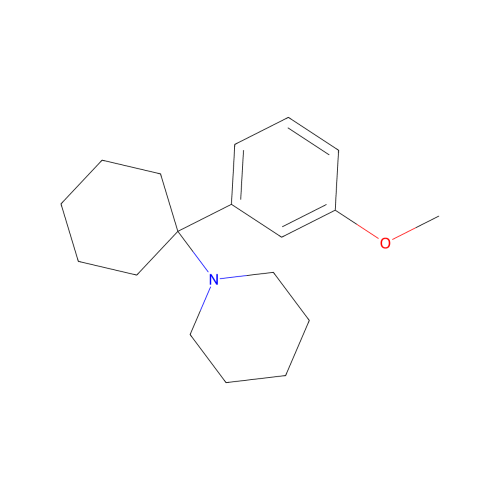
3-MeO-PCP
Price range: $452.00 through $9,240.00Select options This product has multiple variants. The options may be chosen on the product page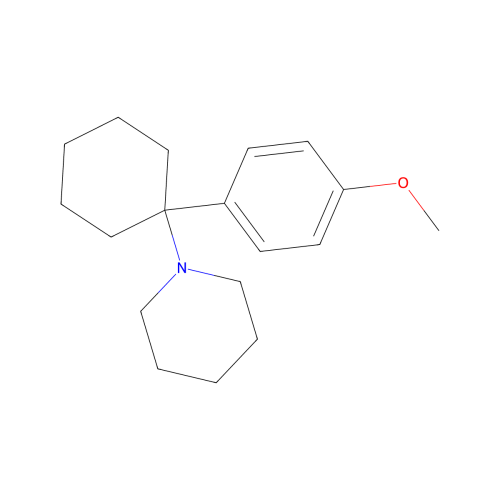
4-MeO-PCP
Price range: $452.00 through $9,240.00Select options This product has multiple variants. The options may be chosen on the product page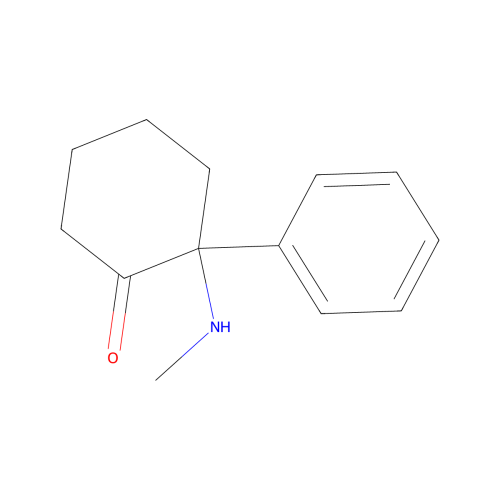
Deschloroketamine
Price range: $452.00 through $9,240.00Select options This product has multiple variants. The options may be chosen on the product page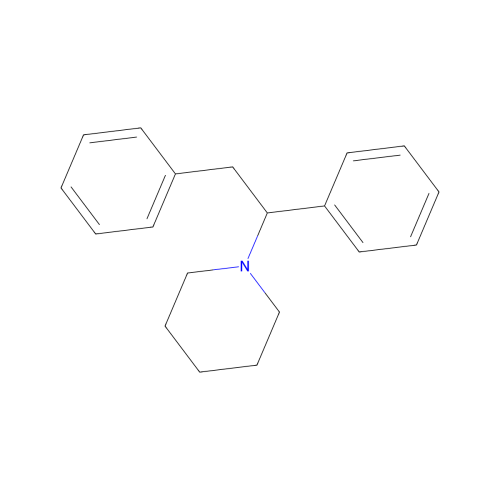
Diphenidine
Price range: $399.00 through $8,505.00Select options This product has multiple variants. The options may be chosen on the product page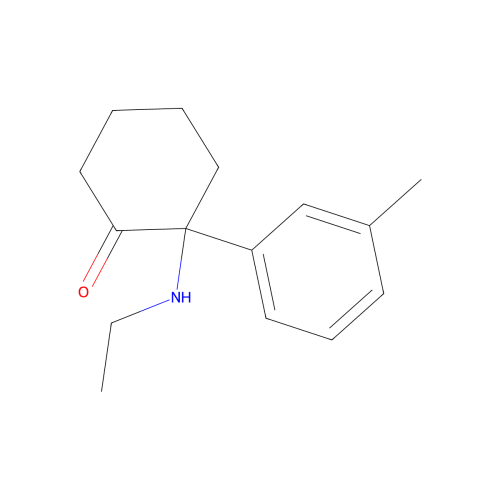
DMXE
Price range: $452.00 through $9,240.00Select options This product has multiple variants. The options may be chosen on the product page
Ephenidine
Price range: $399.00 through $8,505.00Select options This product has multiple variants. The options may be chosen on the product page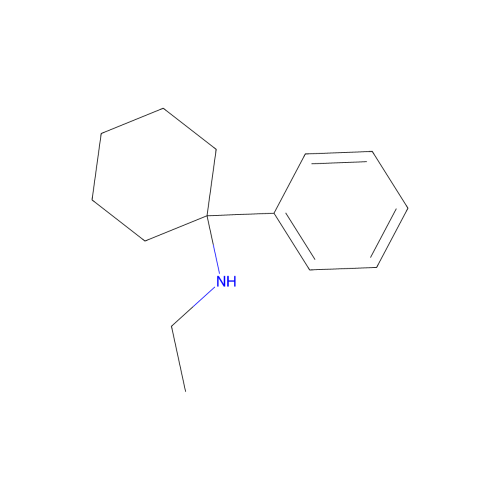
Eticyclidine
Price range: $452.00 through $9,240.00Select options This product has multiple variants. The options may be chosen on the product page