Arylcyclohexylamines
What Are Arylcyclohexylamines?
Arylcyclohexylamines are a family of compounds built around a cyclohexane framework bearing an aryl group and an amino group. The family includes phencyclidine (PCP), ketamine and numerous analogues investigated for their effects on the nervous system. Several members produce dissociative effects through inhibition of NMDA receptors, although the chemical name itself does not define a complete pharmacological profile.
Changing the aromatic ring, the nitrogen substituents or the cyclohexane portion can affect receptor interactions and metabolism.
The Shared Framework and Its Variations
In PCP, the nitrogen forms part of a piperidine ring. Ketamine instead contains a methylamino group and a carbonyl within the six-membered ring, giving it a cyclohexanone structure.
Names such as 3-MeO-PCP and 4-MeO-PCP identify the position of a methoxy substituent on the aromatic ring. Moving a substituent changes the molecule’s identity even when the molecular formula remains the same. Such positional isomers can interact differently with biological targets and may require analytical methods capable of distinguishing them.
Other members discussed in research and toxicology include methoxetamine, deschloroketamine and 2-fluorodeschloroketamine. Their names describe relationships to established structures. They do not establish that the compounds share ketamine’s clinical uses, duration or safety record. The broader label research chemical adds no such assurance.
Ketamine and Its Enantiomers
Ketamine has a stereogenic centre and exists as R- and S-enantiomers. Racemic ketamine contains both. The enantiomers share an atomic formula and connectivity, but their spatial arrangements differ, which can affect their interactions with receptors and enzymes.
A trial of racemic ketamine and a trial of esketamine, the S-enantiomer, are not automatically equivalent experiments. Formulation, administration, participant selection and outcome measures may differ alongside the molecule being studied.
A randomized comparison in treatment-resistant depression directly examined esketamine and racemic ketamine within a specified clinical protocol. Its conclusions concern those preparations and that protocol; other arylcyclohexylamines were not tested.
NMDA Receptor Binding and Other Targets
The NMDA receptor is a glutamate-gated ion channel. Many arylcyclohexylamines interact with a site within its channel, often referred to as the PCP binding site. Blocking current through the receptor can disrupt signalling involved in perception, learning and the integration of sensory information.
A receptor-binding study of ketamine and PCP analogues found that methoxetamine, 3-MeO-PCE and the methoxy-PCP compounds examined had substantial affinity for this site. The study also identified interactions with other targets, including serotonin transporters and sigma receptors in parts of the series.
Binding experiments are particularly useful for comparing molecular targets, but they do not measure the whole effect of a drug. A reported affinity does not tell us how much compound reaches the brain, how receptor activity changes over time or whether a metabolite contributes. Functional experiments and pharmacokinetic measurements address those additional questions.
Dissociation Is One Part of the Clinical Picture
Altered bodily awareness and detachment from surroundings are prominent features of many compounds in this family. Other effects can include impaired coordination, changes in attention and memory, agitation or disturbances of thought. Their balance depends on the compound and exposure.
Experiments with ketamine have separated some of these effects using cognitive tasks and structured clinical ratings. In a study of subanaesthetic ketamine in healthy volunteers, immediate and delayed recall were impaired, with retrieval processes contributing substantially to the deficit.
Reports about newer analogues are often less controlled. A person may describe an experience under the name printed on a product, while an emergency report may involve several substances. These sources can identify questions for investigation, but the claimed identity, analytical findings and clinical observations should remain distinguishable.
Repeated Exposure and Urinary Injury
Ketamine-associated urinary disease demonstrates that the health consequences of an arylcyclohexylamine can extend beyond its immediate psychoactive effects. Pain, urgency, urinary frequency and reduced bladder capacity have been described in clinical populations with repeated ketamine exposure.
A retrospective study of 59 patients referred to urology services documented a syndrome involving cystitis and bladder contraction. These were patients already experiencing problems, so the study describes the disease rather than its frequency among all ketamine users. The findings also cannot establish the urinary toxicity of every chemical relative of ketamine.
For an unfamiliar analogue, analytical characterization remains essential to any interpretation of exposure. A certificate of analysis can document the identity and measurements for a particular sample. That evidence is separate from the clinical work needed to determine whether repeated exposure damages the bladder, affects cognition or produces other persistent harm.
Showing 1–16 of 24 results
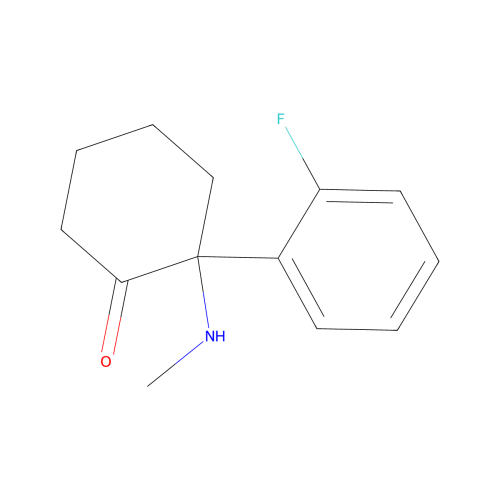
2-FDCK
Price range: $452.00 through $9,240.00Select options This product has multiple variants. The options may be chosen on the product page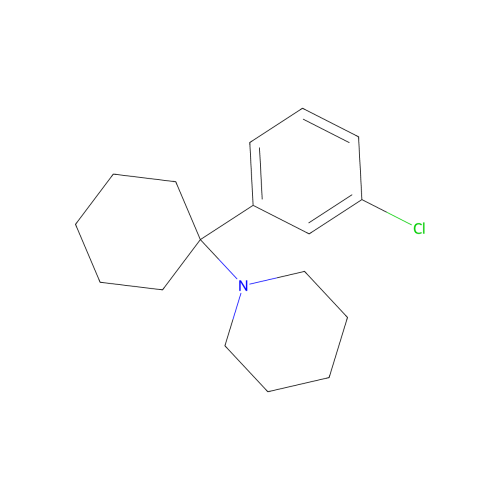
3-Cl-PCP
Price range: $452.00 through $9,240.00Select options This product has multiple variants. The options may be chosen on the product page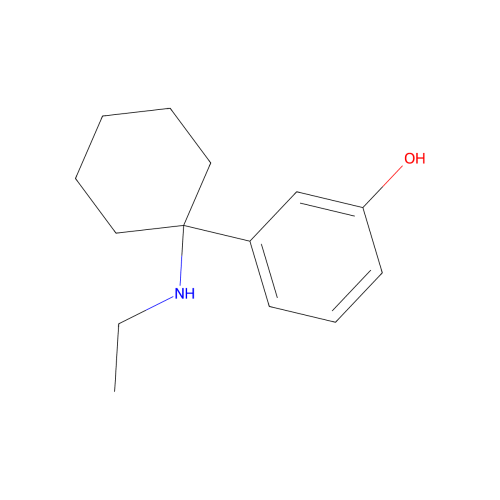
3-HO-PCE
Price range: $452.00 through $9,240.00Select options This product has multiple variants. The options may be chosen on the product page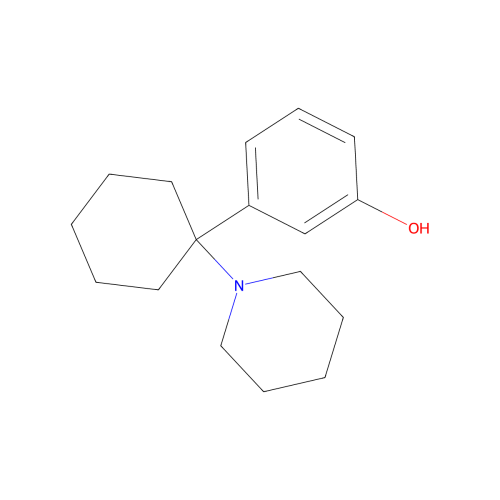
3-HO-PCP
Price range: $452.00 through $9,240.00Select options This product has multiple variants. The options may be chosen on the product page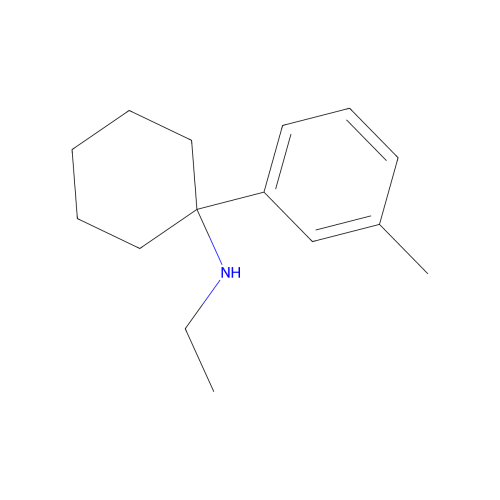
3-Me-PCE
Price range: $452.00 through $9,240.00Select options This product has multiple variants. The options may be chosen on the product page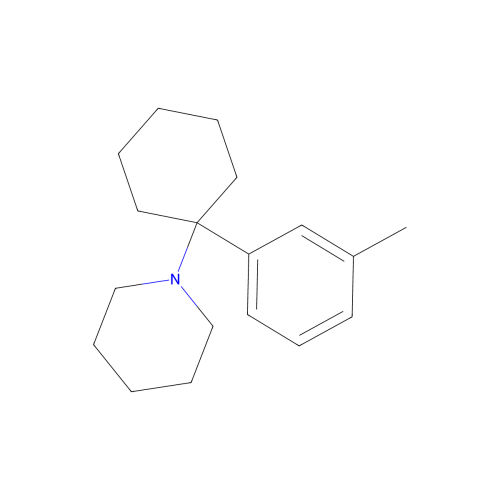
3-Me-PCP
Price range: $452.00 through $9,240.00Select options This product has multiple variants. The options may be chosen on the product page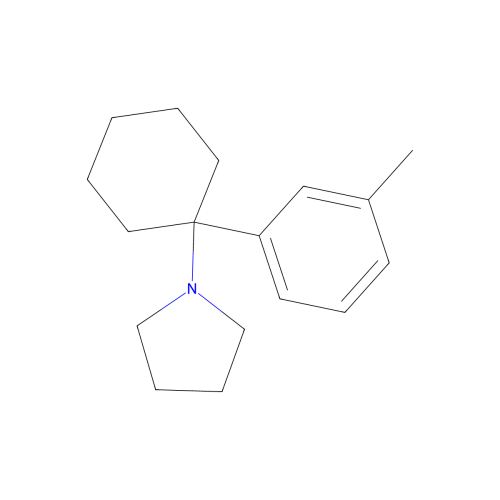
3-Me-PCPy
Price range: $452.00 through $9,240.00Select options This product has multiple variants. The options may be chosen on the product page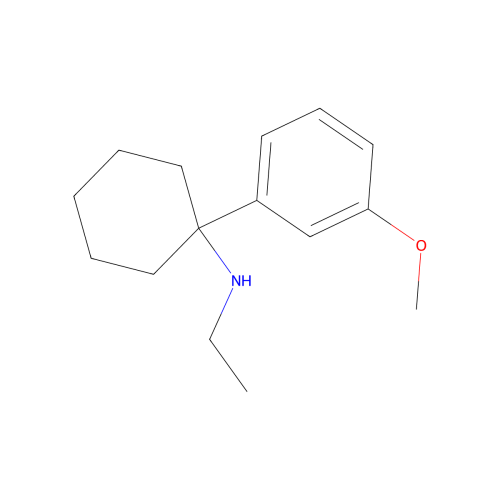
3-MeO-PCE
Price range: $452.00 through $9,240.00Select options This product has multiple variants. The options may be chosen on the product page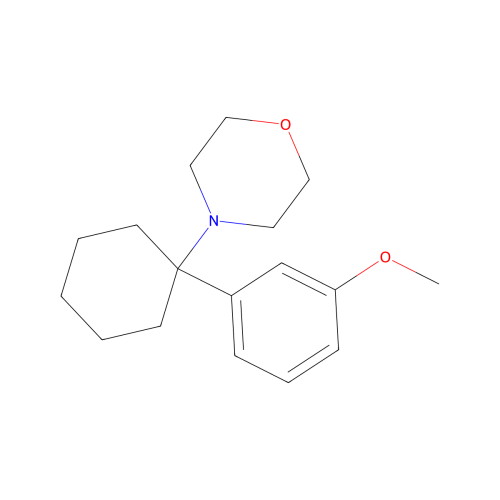
3-MeO-PCMo
Price range: $452.00 through $9,240.00Select options This product has multiple variants. The options may be chosen on the product page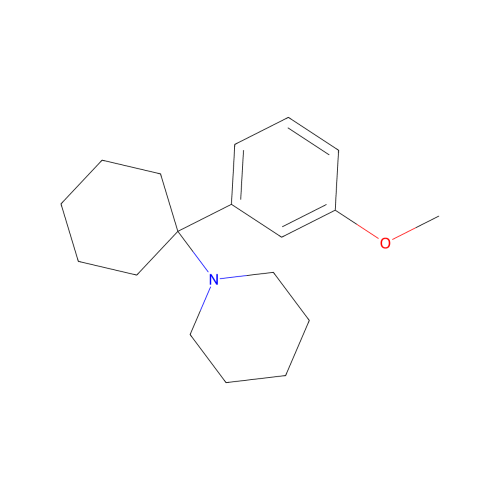
3-MeO-PCP
Price range: $452.00 through $9,240.00Select options This product has multiple variants. The options may be chosen on the product page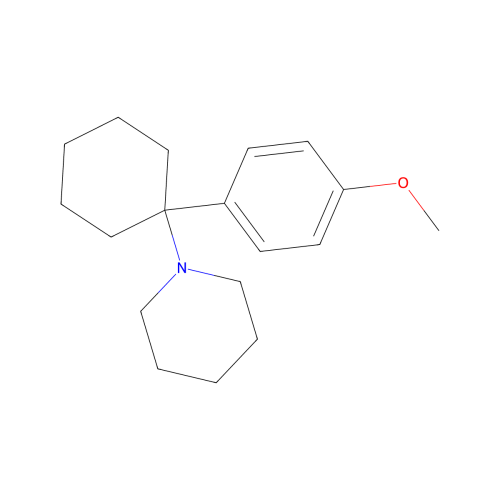
4-MeO-PCP
Price range: $452.00 through $9,240.00Select options This product has multiple variants. The options may be chosen on the product page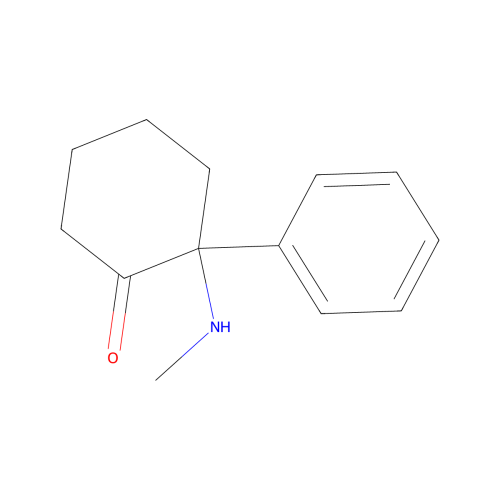
Deschloroketamine
Price range: $452.00 through $9,240.00Select options This product has multiple variants. The options may be chosen on the product page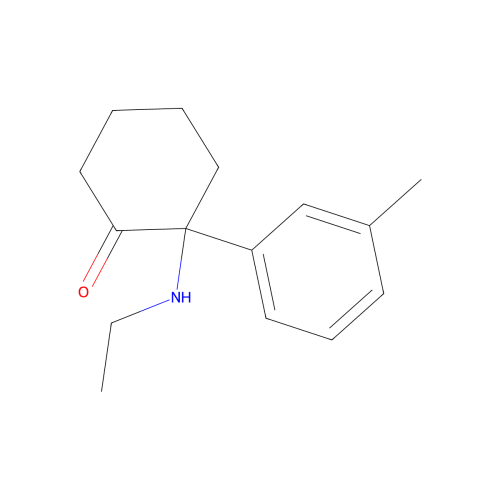
DMXE
Price range: $452.00 through $9,240.00Select options This product has multiple variants. The options may be chosen on the product page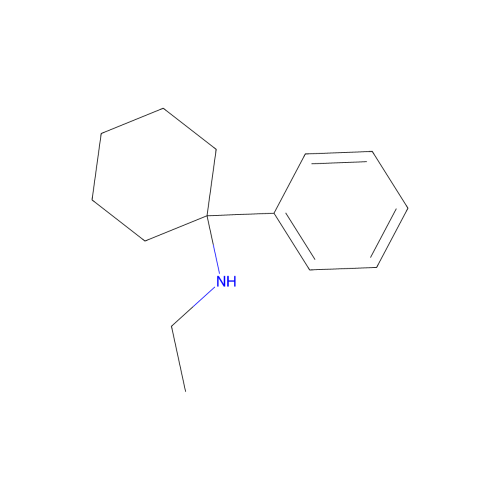
Eticyclidine
Price range: $452.00 through $9,240.00Select options This product has multiple variants. The options may be chosen on the product page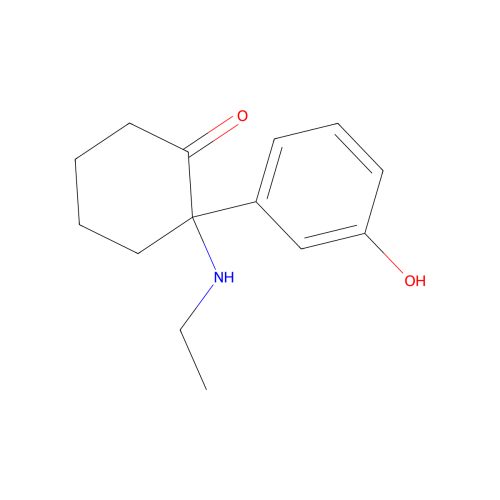
Hydroxetamine
Price range: $452.00 through $9,240.00Select options This product has multiple variants. The options may be chosen on the product page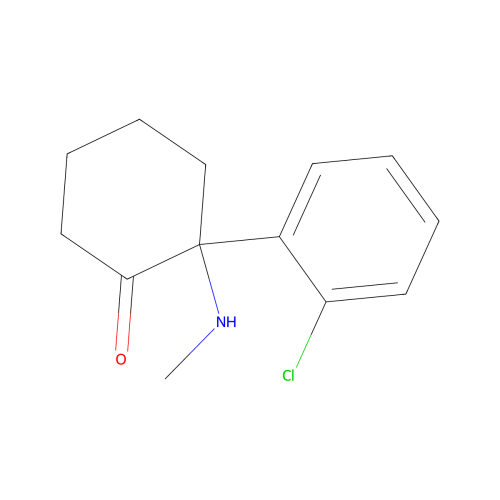
Ketamine
Price range: $452.00 through $2,310.00Select options This product has multiple variants. The options may be chosen on the product page