Amphetamines
What Are Amphetamines?
Amphetamines are compounds related to amphetamine, also known as alpha-methylphenethylamine. The name is used both for a chemical family and, less precisely, for a group of stimulant drugs. Amphetamine and methamphetamine are familiar stimulant members, but the wider family also contains compounds with substantial serotonergic or psychedelic activity.
Changes to the aromatic ring, side chain or nitrogen can alter which biological targets a derivative reaches and how the body processes it. Some derivatives have extensive medical research; others appear mainly in reports about research chemicals.
The Alpha-Methyl Group and Other Structural Changes
Amphetamine differs from phenethylamine by a methyl group on the carbon next to the amino group. Methamphetamine has an additional methyl group attached to the nitrogen. The two names therefore describe different molecules, not different strengths or preparations of one substance.
The alpha carbon in amphetamine is a stereogenic centre. Its two enantiomers, commonly called d-amphetamine and l-amphetamine, have the same atomic connections but different three-dimensional arrangements. Biological targets can distinguish these arrangements, so the proportions of enantiomers are part of a preparation’s pharmacological identity.
Substitution on the aromatic ring introduces further variation. MDMA and the psychedelic amphetamine DOM belong within the broader structural family, although neither is adequately described as producing only the effects of amphetamine. Chemical classification and classification by subjective effects answer different questions.
Transporters and the Release of Monoamines
Amphetamine increases signalling involving dopamine and noradrenaline through actions at monoamine transporters and within nerve terminals. These transporters normally help remove neurotransmitters from the space outside cells. Amphetamine can act as a transported substrate and promote movement of neurotransmitter out of the cell, rather than merely obstructing its uptake.
Inside the terminal, the vesicular monoamine transporter VMAT2 helps store monoamines in small membrane-bound compartments. A study of 42 mostly amphetamine-related compounds examined their interactions with this transporter in rat brain preparations. The experiments supported substrate-like actions for many of the compounds and showed that vesicular handling is an important part of the mechanism.
The relative effects on dopamine, noradrenaline and serotonin vary across derivatives. A shared ability to interact with monoamine transporters does not give every compound the same balance of arousal, emotional effects and physiological strain.
Lisdexamfetamine and Prodrug Conversion
Lisdexamfetamine illustrates another kind of relationship: it is a prodrug that releases d-amphetamine after enzymatic conversion. Research using animal models, cell systems and human blood fractions identified red blood cells as a major site of this conversion. The administered molecule and the active molecule are therefore different stages of the same exposure.
With a prodrug, the conversion step helps shape the time course of exposure, alongside distribution and elimination of the active substance. Pharmacology therefore depends on how the active molecule becomes available as well as what it does once present.
Attention, Confidence and Measured Performance
Amphetamine preparations have established uses in the treatment of attention-deficit/hyperactivity disorder. Evidence of benefit in that setting does not imply that the same treatment improves every cognitive ability in people without ADHD.
In a blinded placebo-controlled study of mixed amphetamine salts in healthy adults, researchers assessed 13 cognitive measures. They did not find a general improvement across the abilities tested, although there were indications of different responses in some participant subgroups. Participants nevertheless believed that the active drug had improved their performance more than placebo.
Feeling more capable and performing better can therefore diverge. Attention, motivation, memory and judgement need to be measured separately; an increase in one does not guarantee improvement in the others.
Cardiovascular Effects, Sleep and Psychiatric Symptoms
Stimulant effects can include increased heart rate and blood pressure, reduced appetite and disrupted sleep. With repeated exposure, sleep loss and changes in patterns of use can become important contributors to how a person feels and functions.
A large study of young people starting ADHD medication found that new psychosis diagnoses accompanied by antipsychotic treatment were uncommon, but more frequent among those prescribed amphetamine than methylphenidate. The comparison used matched insurance records rather than random assignment, leaving room for unmeasured differences between the groups.
These findings belong to a defined treatment population. For an unfamiliar derivative, safety assessment also depends on chemical identity, concurrent substances and the circumstances of exposure. Similarity to a prescribed amphetamine cannot supply clinical evidence that the derivative itself lacks.
Showing all 15 results
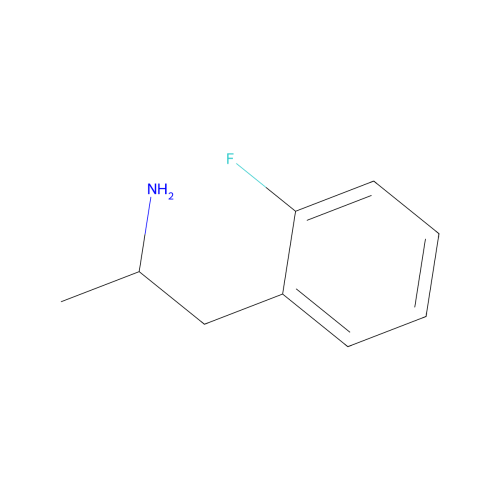
2-FA
Price range: $399.00 through $8,505.00Select options This product has multiple variants. The options may be chosen on the product page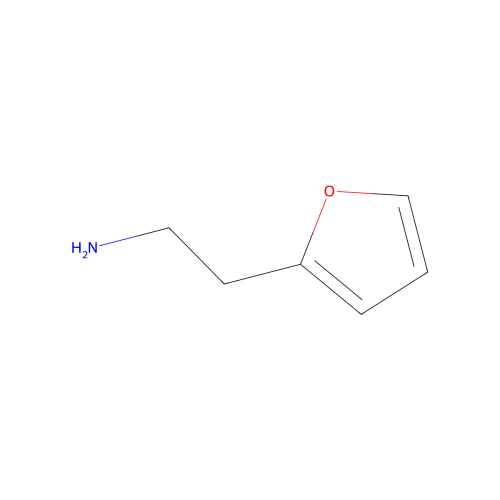
2-FEA
Price range: $399.00 through $8,505.00Select options This product has multiple variants. The options may be chosen on the product page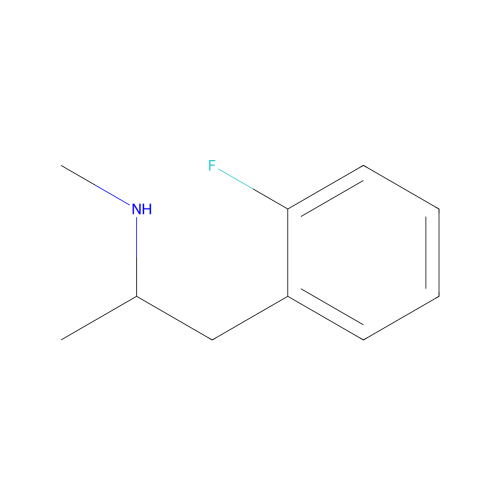
2-FMA
Price range: $399.00 through $8,505.00Select options This product has multiple variants. The options may be chosen on the product page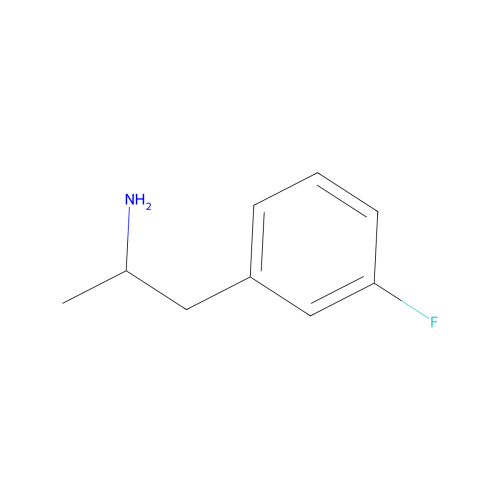
3-FA
Price range: $399.00 through $8,505.00Select options This product has multiple variants. The options may be chosen on the product page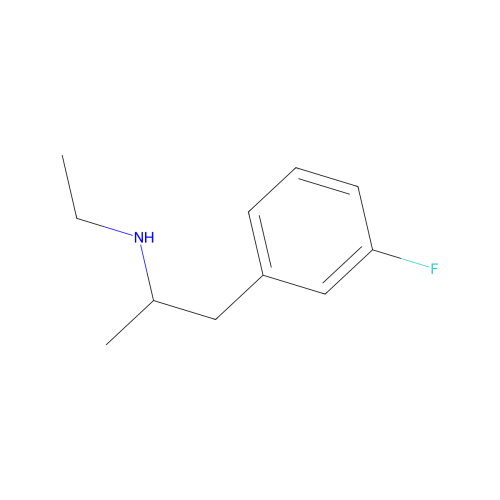
3-FEA
Price range: $399.00 through $8,505.00Select options This product has multiple variants. The options may be chosen on the product page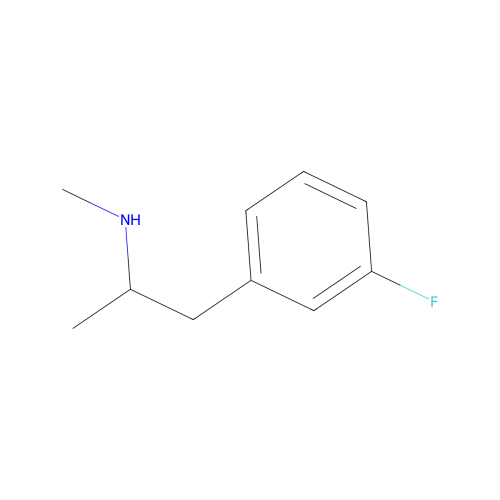
3-FMA
Price range: $399.00 through $8,505.00Select options This product has multiple variants. The options may be chosen on the product page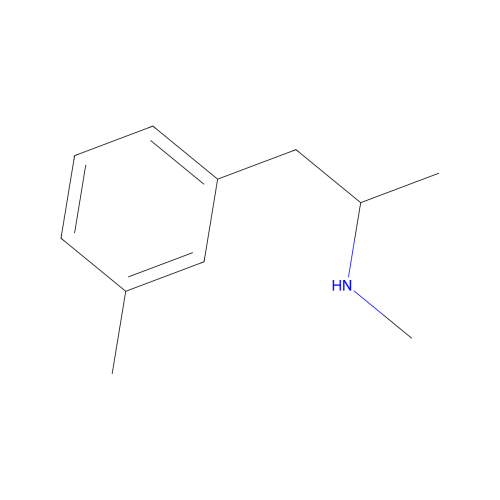
3-MMA
Price range: $473.00 through $9,135.00Select options This product has multiple variants. The options may be chosen on the product page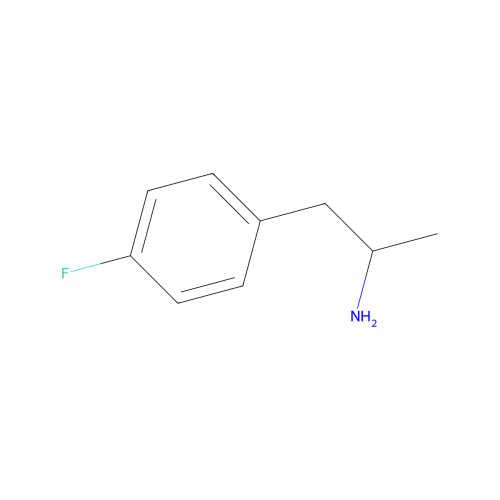
4-FA
Price range: $399.00 through $8,505.00Select options This product has multiple variants. The options may be chosen on the product page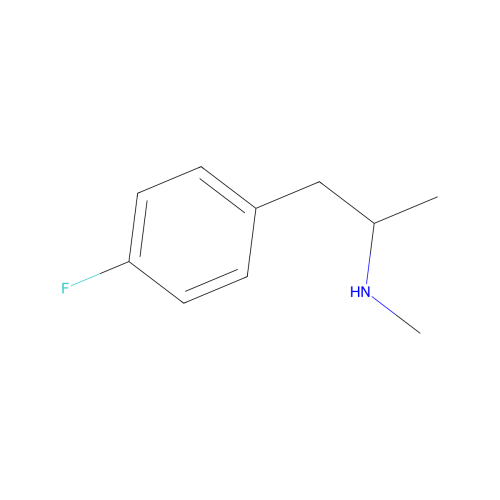
4-FMA
Price range: $399.00 through $8,505.00Select options This product has multiple variants. The options may be chosen on the product page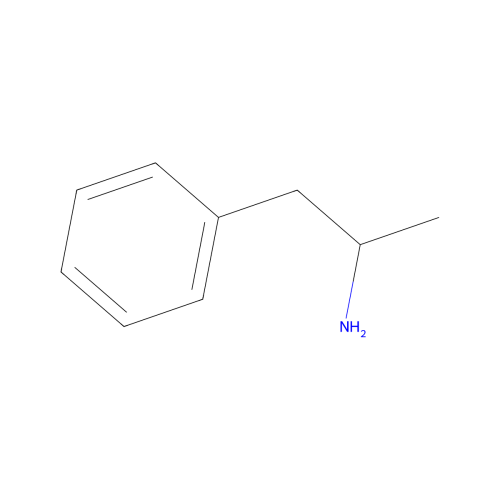
Amphetamine (Adderall)
Price range: $315.00 through $1,050.00Select options This product has multiple variants. The options may be chosen on the product page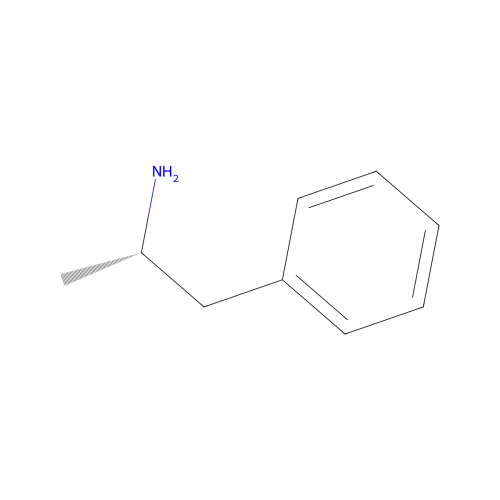
Dextroamphetamine (Dexedrine)
Price range: $315.00 through $1,050.00Select options This product has multiple variants. The options may be chosen on the product page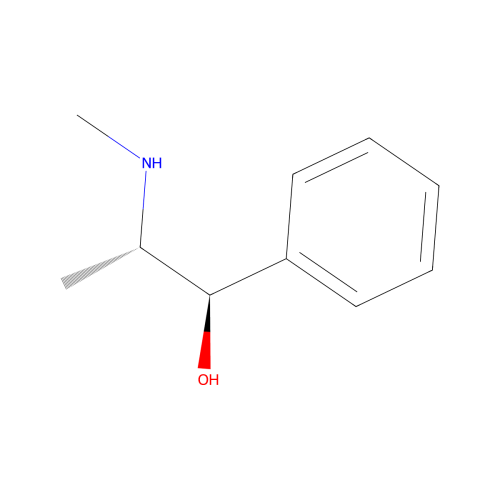
Ephedrine
Price range: $315.00 through $1,050.00Select options This product has multiple variants. The options may be chosen on the product page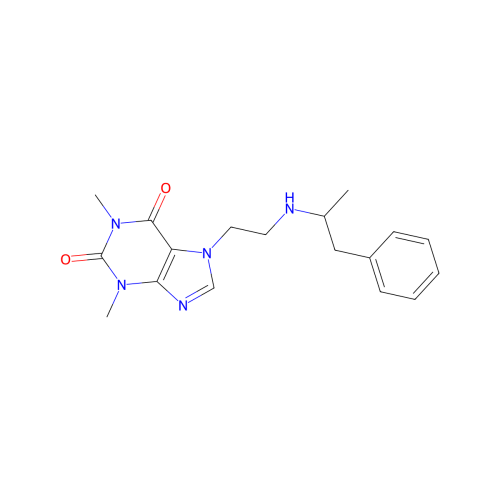
Fenethylline
Price range: $399.00 through $8,505.00Select options This product has multiple variants. The options may be chosen on the product page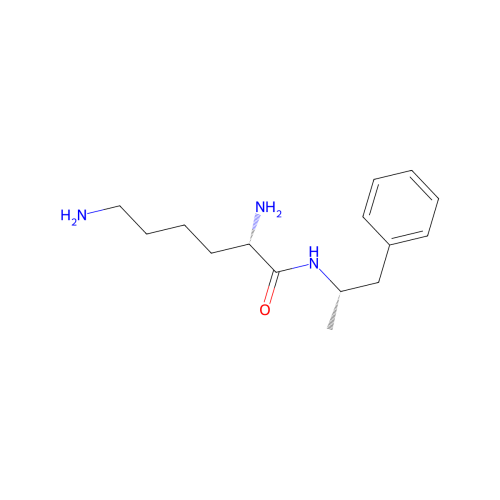
Lisdexamfetamine (Vyvanse)
Price range: $315.00 through $1,050.00Select options This product has multiple variants. The options may be chosen on the product page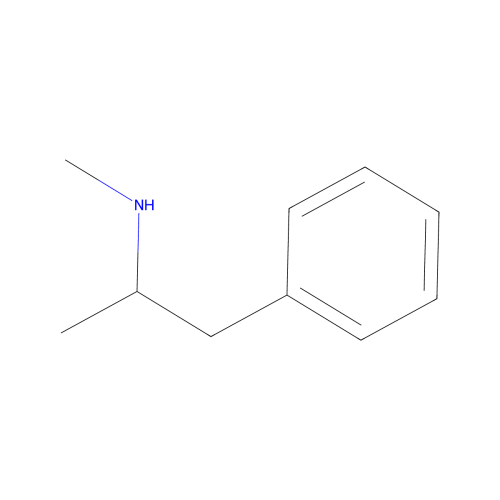
Methamphetamine (Meth)
Price range: $315.00 through $1,050.00Select options This product has multiple variants. The options may be chosen on the product page