Phenidates
What Are Phenidates?
Phenidates is an informal name for methylphenidate and related compounds, including ethylphenidate, isopropylphenidate and 4-fluoromethylphenidate (4F-MPH). Methylphenidate is an established stimulant medicine; many of its analogues have a much smaller research record. The shared ending in their names does not make them different formulations of the same active ingredient.
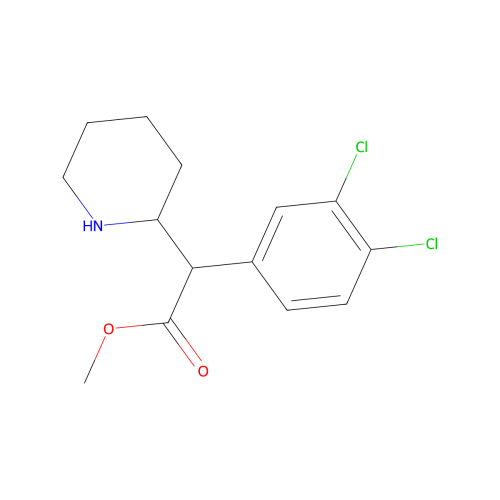
Methylphenidate and its close analogues combine a piperidine ring with an aromatic group and an ester-containing structure. Changing the ester group or adding substituents to the aromatic ring produces a new molecule, with potentially different effects on transporters and metabolism.
Methylphenidate and Catecholamine Uptake
Methylphenidate acts mainly by inhibiting the transporters that remove dopamine and noradrenaline from the extracellular space. These catecholamines participate in attention, motivation and arousal, as well as bodily functions. Blocking their uptake changes the persistence of signalling after release.
A PET study in seven healthy volunteers measured dopamine transporter occupancy after methylphenidate administration. It provided direct evidence of transporter engagement in the human brain. Occupancy is a molecular measurement, however, rather than a measure of improved attention or treatment benefit.
In experiments comparing ten methylphenidate-based compounds, all tested analogues inhibited dopamine and noradrenaline uptake more readily than serotonin uptake. They did not induce transporter-mediated monoamine release in the assays used. This separates their measured mechanism from the releasing actions of amphetamine, even though both can produce stimulation.
Stereochemistry Can Change the Result
Methylphenidate has two stereogenic centres. Descriptions such as threo and erythro distinguish relative spatial arrangements, while each arrangement can also have a pair of mirror-image forms. These distinctions concern the molecules themselves and are not captured by a purity percentage alone.
A study of two 4F-MPH samples found different stereoisomer compositions. One contained the threo forms, while the other contained a mixture of threo and erythro forms. In rat brain transporter assays, the threo material accounted for most of the measured dopamine and noradrenaline uptake inhibition; the erythro forms were much less active.
The same study found differences between threo-4F-MPH and methylphenidate in those assays. It did not test their relative clinical effects in people. A laboratory comparison cannot establish interchangeable human exposures, and a sample labelled simply “4F-MPH” may leave its stereochemical composition unclear.
For that reason, a certificate of analysis needs to be read alongside the identification method. Confirming a molecular formula or a broad chemical match may not resolve which stereoisomers are present.
Ethylphenidate in Clinical Reports
Ethylphenidate differs from methylphenidate in the ester group, but its human evidence cannot be borrowed from methylphenidate. A report of three suspected ethylphenidate intoxications included one case with analytical confirmation. The first patient presented with anxiety, paranoia, agitation and visual disturbances.
The difference between a suspected and a confirmed exposure is consequential here. A patient’s account may guide testing, but only one of those three cases supplied chemical confirmation of ethylphenidate.
In another investigation of an acute intoxication, an initially positive amphetamine screening result was followed by more specific analysis. Researchers identified ethylphenidate, several benzofurans and ritalinic acid in biological samples. The initial screen did not describe that mixture, and the clinical event could not be treated as a clean experiment with ethylphenidate alone.
Clinical Evidence Belongs to the Compound Studied
Methylphenidate has been investigated in defined preparations and patient groups, including people with ADHD. Studies of a new analogue’s transporter activity address an earlier question: what the molecule does in the experimental system. They do not establish efficacy for ADHD, an appropriate treatment duration or the effects of repeated exposure.
The label research chemical does not indicate how far that work has progressed. For some phenidates, analytical identification and cell experiments make up much of the published evidence.
Stimulation may be accompanied by increased cardiovascular activity, anxiety or sleep disruption. Whether these effects persist or accumulate depends partly on the compound’s handling by the body. That requires pharmacokinetic and clinical observations of the analogue itself, rather than an assumption based on the methylphenidate name.
Showing all 8 results
3,4-CTMP
Price range: $483.00 through $9,345.00Select options This product has multiple variants. The options may be chosen on the product page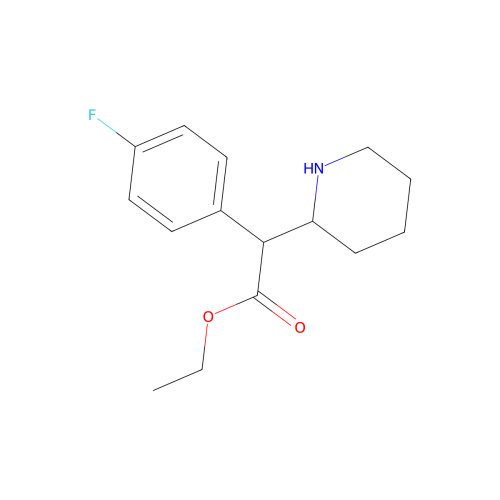
4F-EPH
Price range: $483.00 through $9,345.00Select options This product has multiple variants. The options may be chosen on the product page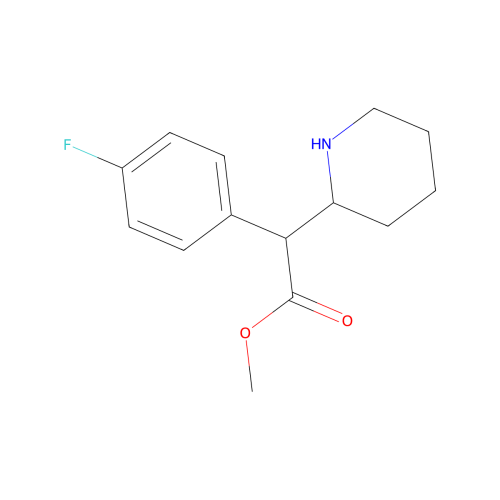
4F-MPH
Price range: $483.00 through $9,345.00Select options This product has multiple variants. The options may be chosen on the product page
Dexmethylphenidate (Focalin)
Price range: $315.00 through $1,050.00Select options This product has multiple variants. The options may be chosen on the product page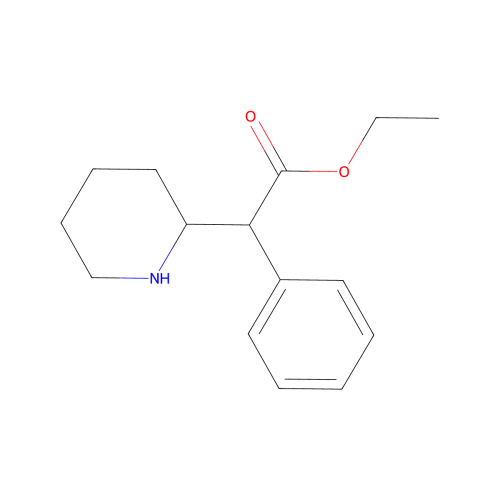
Ethylphenidate
Price range: $483.00 through $9,345.00Select options This product has multiple variants. The options may be chosen on the product page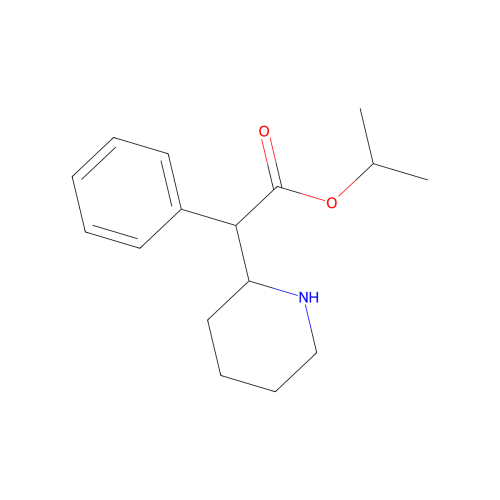
Isopropylphenidate
Price range: $483.00 through $9,345.00Select options This product has multiple variants. The options may be chosen on the product page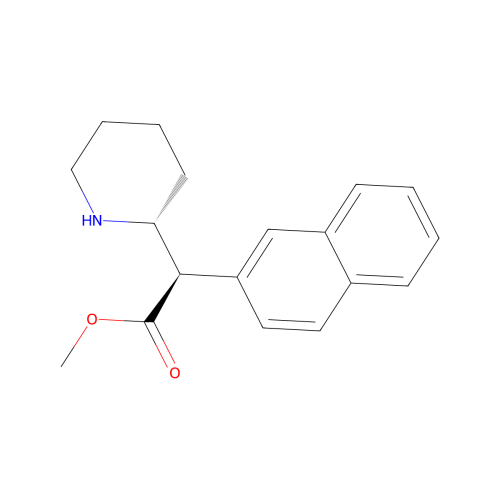
Methylnaphthidate
Price range: $483.00 through $9,345.00Select options This product has multiple variants. The options may be chosen on the product page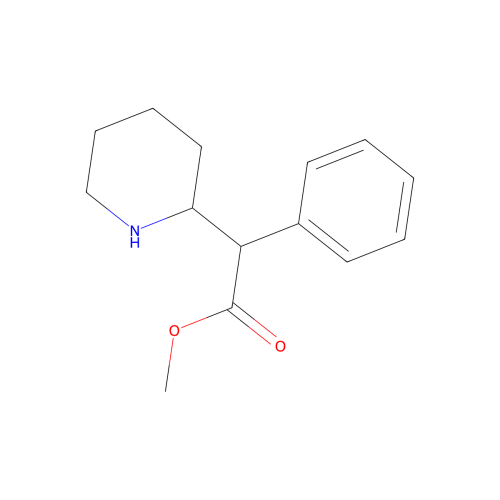
Methylphenidate (Ritalin)
Price range: $315.00 through $1,050.00Select options This product has multiple variants. The options may be chosen on the product page