Lysergamides
What Are Lysergamides?
Lysergamides are amides of lysergic acid and closely related derivatives built around an ergoline framework. The best-known example is lysergic acid diethylamide, or LSD. The family also includes lysergic acid amide, commonly called ergine or LSA, and compounds such as AL-LAD, LSZ and 1P-LSD.
The name describes a chemical relationship. It does not mean that every member has the same psychedelic effects or receptor profile, or that each has been studied equally well in humans. LSD has a substantial experimental literature; several relatives are known mainly from analytical work, animal experiments and small studies in people.
Changes Around the Lysergic Acid Framework
Lysergamides retain a relatively rigid, interconnected ring system. Changes to the amide group, ring nitrogen or indole nitrogen can alter how a molecule fits a receptor and how enzymes process it. The three-dimensional arrangement of the structure also matters, so a molecular formula alone is insufficient to describe its pharmacology.
AL-LAD carries an allyl substitution at the ring nitrogen, whereas LSZ changes the amide portion to a cyclic group. An analytical and behavioural investigation of AL-LAD and LSZ combined chemical identification with experiments examining a serotonin-related behavioural response in mice. Such animal responses help investigate receptor-mediated activity, but cannot describe the quality of a human experience.
Names and abbreviations can make related compounds look more interchangeable than they are. The umbrella term research chemicals is broader still: it does not distinguish a substance with controlled human data from one that has only been identified in a laboratory sample.
LSD, Serotonin Receptors and Personal Meaning
LSD interacts with several receptor types, but serotonin 5-HT2A activation is central to its characteristic psychedelic effects. This receptor contributes to changes in cortical processing that extend beyond visual perception to emotion and the significance attached to ordinary stimuli.
In a controlled experiment examining personal relevance, LSD increased the meaning participants attributed to previously meaningless stimuli. Pretreatment with the receptor antagonist ketanserin blocked both the general subjective effects and that alteration in relevance. The experiment supports a causal contribution of 5-HT2A signalling to the effects measured, rather than merely showing that receptor binding and experience occur together.
A 2017 crystal structure of receptor-bound LSD showed an extracellular loop positioned over the binding pocket, helping explain slow dissociation. The crystallized receptor was 5-HT2B, not 5-HT2A; the study also examined related binding and signalling behaviour. Slow receptor dissociation alone does not fully explain how long LSD’s effects last in a person.
Blood Concentrations and Subjective Duration
Drug elimination and the time course of experience are related without being identical. Concentrations change as a compound is absorbed, distributed and metabolized, while receptor engagement and downstream neural responses have their own dynamics.
An analysis of two controlled LSD studies found that subjective effects tracked changes in blood concentrations within individuals over time. However, comparing participants near their peak exposure did not produce the same straightforward concentration-effect relationship. One person’s blood concentration was therefore not a reliable measure of how intense another person’s experience would be.
The studies also found that subjective effects lasted longer than a single plasma elimination half-life. A half-life describes a proportional fall in concentration; it is not a countdown to the end of psychological effects or the restoration of normal judgement.
When an Analogue Acts as a Prodrug
A prodrug is converted in the body into a pharmacologically active compound. 1P-LSD has a propanoyl group attached to the indole nitrogen, and research has examined whether removal of that group produces LSD.
A human investigation of 1P-LSD detected conversion to LSD and reported effects consistent with that interpretation. It involved only two volunteers. The results support the prodrug relationship, but that sample is too small to assess rare adverse effects or population variability, or to establish broad clinical equivalence.
Nor does evidence about 1P-LSD settle the metabolism of every similarly named lysergamide. The site and nature of a substitution determine which metabolic transformations are possible; conversion needs to be demonstrated for the compound being discussed.
Reading Analytical Evidence
Closely related lysergamides can require several analytical techniques to establish identity. Structural information, chromatographic separation and comparison with reference material may resolve ambiguities that a nominal mass or informal label cannot.
A certificate of analysis should make clear which sample and method its findings describe. In biological testing, detecting LSD may also need interpretation alongside possible precursor compounds and metabolites. The conversion observed with 1P-LSD shows why identifying a substance in blood and identifying the material originally administered can be different questions.
Showing 1–16 of 69 results
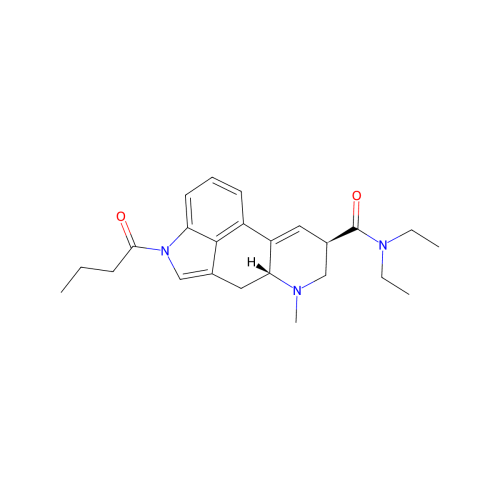
1B-LSD blotters
Price range: $420.00 through $2,100.00Select options This product has multiple variants. The options may be chosen on the product page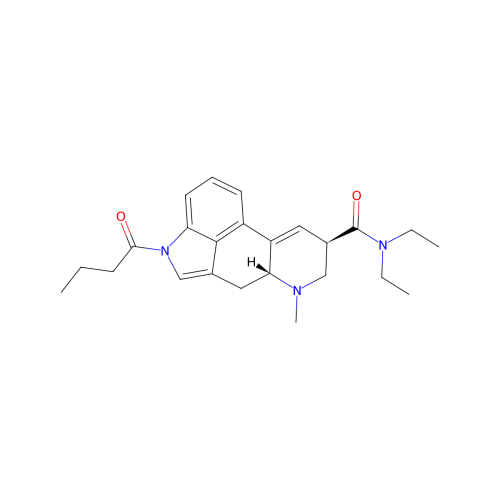
1B-LSD liquid
Price range: $410.00 through $2,882.00Select options This product has multiple variants. The options may be chosen on the product page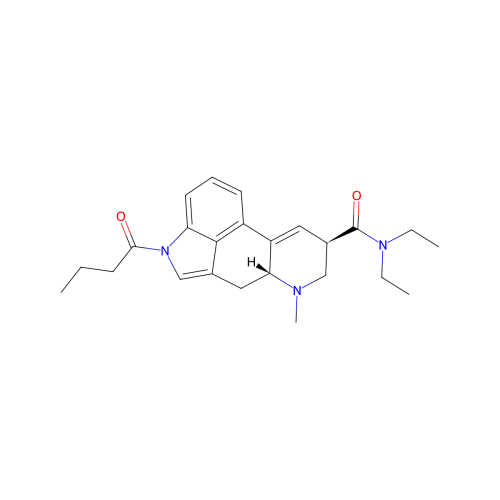
1B-LSD pellets
Price range: $473.00 through $2,930.00Select options This product has multiple variants. The options may be chosen on the product page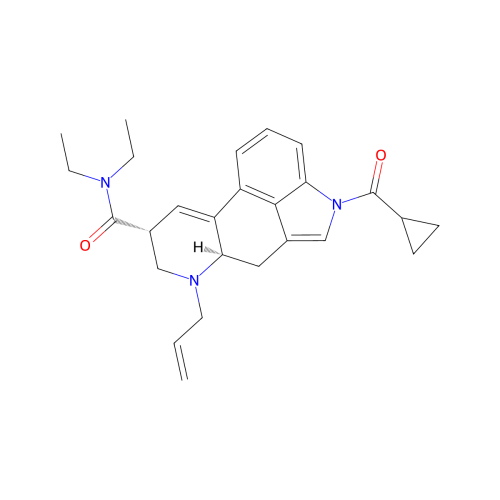
1cP-AL-LAD blotters
Price range: $420.00 through $2,100.00Select options This product has multiple variants. The options may be chosen on the product page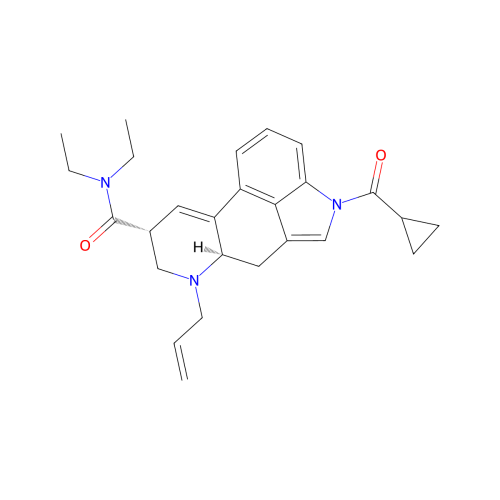
1cP-AL-LAD liquid
Price range: $410.00 through $2,882.00Select options This product has multiple variants. The options may be chosen on the product page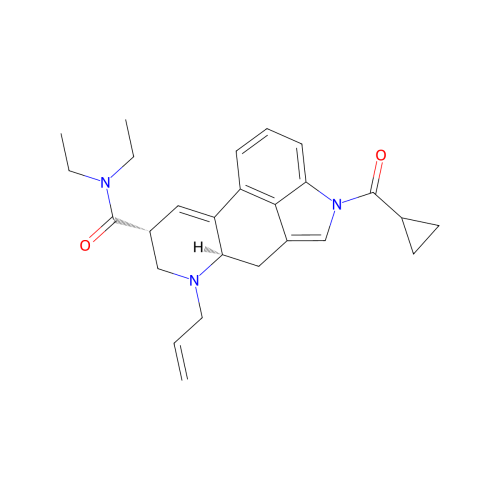
1cP-AL-LAD pellets
Price range: $473.00 through $2,930.00Select options This product has multiple variants. The options may be chosen on the product page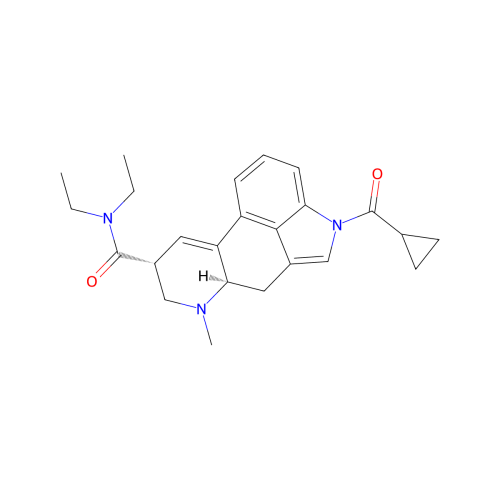
1cP-LSD blotters
Price range: $420.00 through $2,100.00Select options This product has multiple variants. The options may be chosen on the product page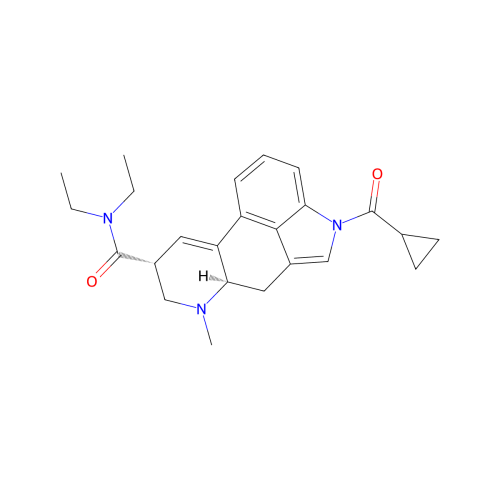
1cP-LSD liquid
Price range: $410.00 through $2,882.00Select options This product has multiple variants. The options may be chosen on the product page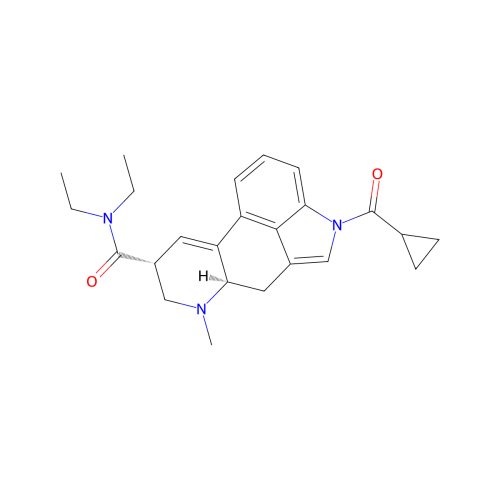
1cP-LSD pellets
Price range: $473.00 through $2,930.00Select options This product has multiple variants. The options may be chosen on the product page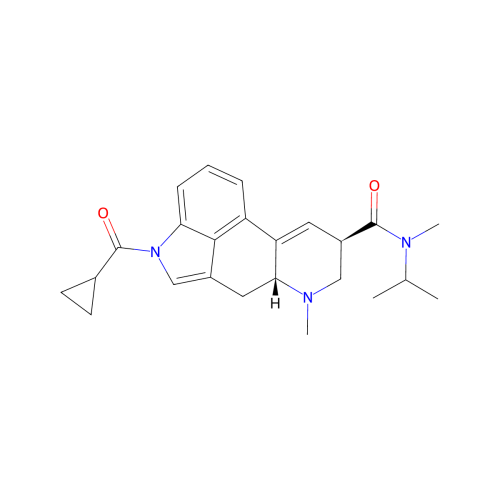
1cP-MiPLA blotters
Price range: $420.00 through $2,100.00Select options This product has multiple variants. The options may be chosen on the product page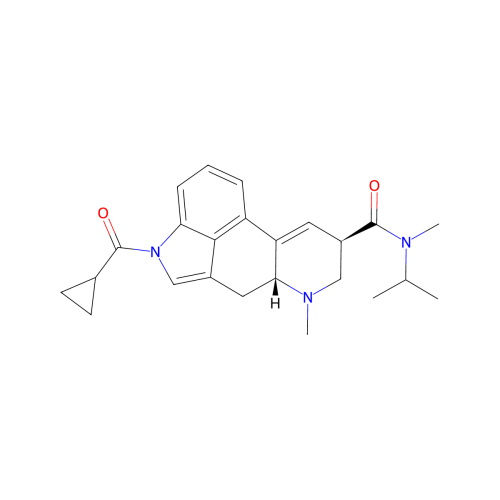
1cP-MiPLA liquid
Price range: $410.00 through $2,882.00Select options This product has multiple variants. The options may be chosen on the product page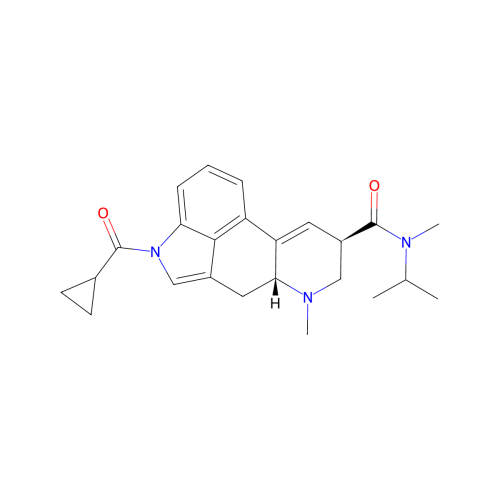
1cP-MiPLA pellets
Price range: $473.00 through $2,930.00Select options This product has multiple variants. The options may be chosen on the product page
1D-AL-LAD blotters
Price range: $420.00 through $2,100.00Select options This product has multiple variants. The options may be chosen on the product page1D-AL-LAD liquid
Price range: $410.00 through $2,882.00Select options This product has multiple variants. The options may be chosen on the product page1D-AL-LAD pellets
Price range: $473.00 through $2,930.00Select options This product has multiple variants. The options may be chosen on the product page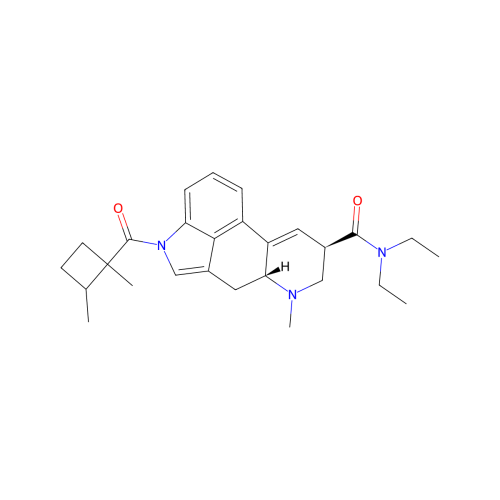
1D-LSD blotters
Price range: $420.00 through $2,100.00Select options This product has multiple variants. The options may be chosen on the product page