Synthetic Cannabinoids
What Are Synthetic Cannabinoids?
Synthetic cannabinoids are laboratory-made compounds associated with cannabinoid pharmacology. In toxicology and drug monitoring, the term most often refers to synthetic cannabinoid receptor agonists, or SCRAs: substances that activate CB1 and sometimes CB2 receptors. Examples investigated in this context include JWH-018, AB-FUBINACA and AMB-FUBINACA.
The broader scientific term also covers compounds developed for medical research, including molecules that block cannabinoid receptors rather than activate them. It is therefore useful to specify receptor agonists when discussing the substances associated with products called Spice or K2. Those product names do not identify a consistent chemical composition.
Different Structures, Shared Receptor Targets
Many SCRAs look quite unlike THC at the molecular level. Their structures include several different frameworks, among them naphthoylindoles and indazole carboxamides. They belong together primarily because of their receptor activity, not because every member is a close chemical analogue of cannabis constituents.
Even within a more closely related series, apparently small differences can alter biological activity. Some compounds exist as enantiomers: molecules with the same atomic connections but different three-dimensional arrangements, like non-superimposable mirror images. Receptors themselves are three-dimensional structures and can respond differently to these forms.
A study of four indazole carboxamide cannabinoids found differences between enantiomers in their activity at CB1 and CB2 receptors. The researchers also analysed seized materials. Their experiments characterized receptor activity and sample composition, leaving the clinical consequences to be investigated separately.
Receptor Efficacy Helps Explain the Difference from THC
Potency and efficacy are distinct measurements. Potency concerns how much compound is needed to produce a specified response in an experiment. Efficacy concerns its capacity to drive receptor signalling in that system. A substance can bind strongly without producing the same maximum response as another agonist.
In experiments designed to compare CB1 receptor efficacy, the SCRAs tested produced substantially greater activation than THC. Greater receptor activation may help explain some of the differences in toxicity, alongside exposure and metabolism.
Exposure to a high-efficacy agonist can engage receptor signalling differently from exposure to a partial agonist. The concentration in a preparation, absorption, metabolism and any other compounds present then influence what happens clinically.
Active Metabolites
Metabolism does not always switch a cannabinoid off. In research on hydroxylated metabolites of JWH-018, several metabolites retained CB1 binding and functional activity. Some produced full agonist responses in the assay, and an examined metabolite also produced cannabinoid-related effects in mice.
Biological activity may reflect both the original compound and products formed as it is metabolized. The balance changes over time, and detecting a metabolite in a biological sample can be more informative than looking only for the parent molecule. These findings concern the metabolites studied; different SCRAs can follow different metabolic pathways.
What Human Poisonings Have Shown
Severe agitation and profound depression of consciousness can both occur in SCRA-associated poisoning.
During a 2016 outbreak in New York, 33 people were affected and 18 were taken to hospitals. Investigators tested biological samples from eight patients and identified a metabolite of AMB-FUBINACA in all eight. The implicated material contained the parent compound. The analytical findings linked that outbreak of marked neurological depression to AMB-FUBINACA exposure.
A larger European emergency-department study compared 503 presentations involving reported lone SCRA exposure with 2,657 involving reported lone cannabis exposure. Drowsiness, coma, agitation and seizures were more frequent in the SCRA group. Several cardiovascular symptoms were more frequent in the cannabis group.
That comparison used reported exposure rather than laboratory confirmation for every case. It also described people who reached emergency departments. It cannot calculate the probability of harm among all people exposed to either substance, because those wider populations were not measured.
Why Identification Is Difficult
Spice and K2 have been applied to products containing different active chemicals, sometimes more than one. The same branding cannot establish that two samples have the same contents. Nor does a test developed for THC necessarily detect an unrelated synthetic receptor agonist: the analytical target has to match the chemical or an appropriate metabolite.
Laboratories may combine chromatographic separation with mass spectrometry and, where needed, structural methods. Close analogues and isomers can require particular care. A reported identification should reflect the discriminatory power of the method, rather than treating every preliminary signal as conclusive.
The distinction between identification, concentration and purity is explained in the guide to analytical certificates. For an unfamiliar SCRA, even a well-characterized sample may have very little human toxicological evidence behind it. The broader term research chemical does not resolve that gap.
Showing 1–16 of 55 results
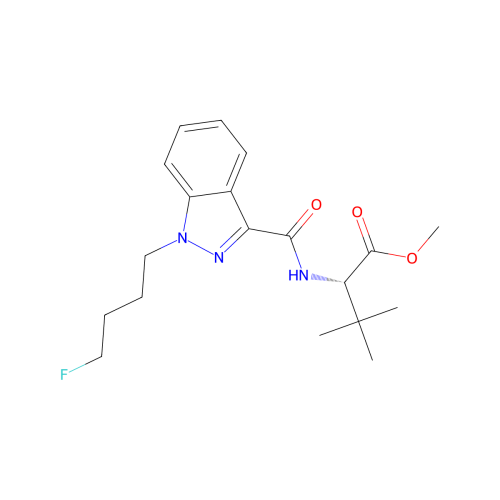
4F-ADB
Price range: $452.00 through $9,240.00Select options This product has multiple variants. The options may be chosen on the product page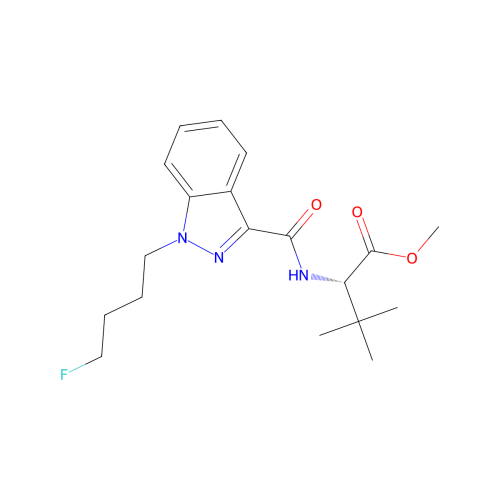
4F-AMB
Price range: $452.00 through $9,240.00Select options This product has multiple variants. The options may be chosen on the product page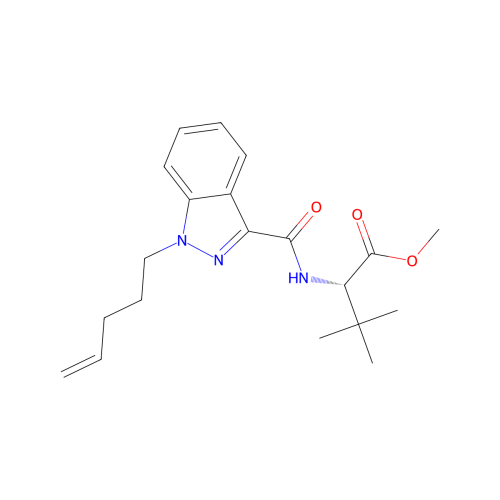
5-CL-ADB-A
Price range: $452.00 through $9,240.00Select options This product has multiple variants. The options may be chosen on the product page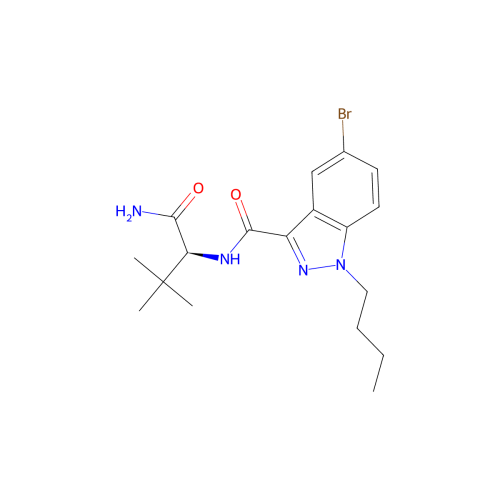
5BR-ADB-INACA
Price range: $452.00 through $9,240.00Select options This product has multiple variants. The options may be chosen on the product page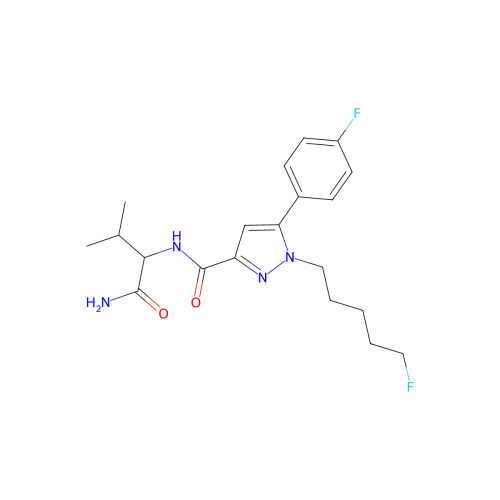
5F-AB-FUPPYCA
Price range: $452.00 through $9,240.00Select options This product has multiple variants. The options may be chosen on the product page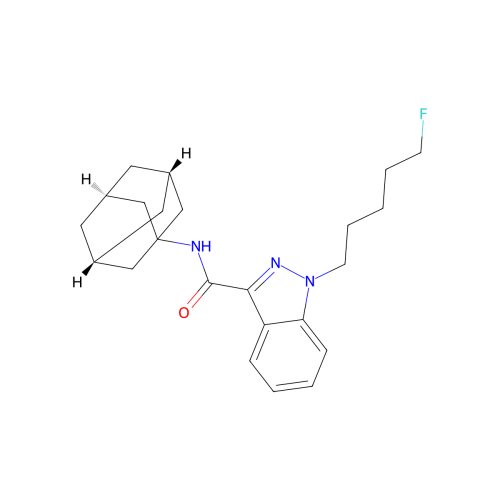
5F-AKB48
Price range: $452.00 through $9,240.00Select options This product has multiple variants. The options may be chosen on the product page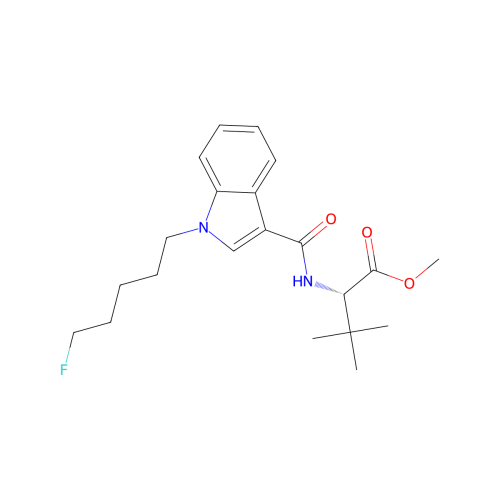
5F-MDMB-2201
Price range: $452.00 through $9,240.00Select options This product has multiple variants. The options may be chosen on the product page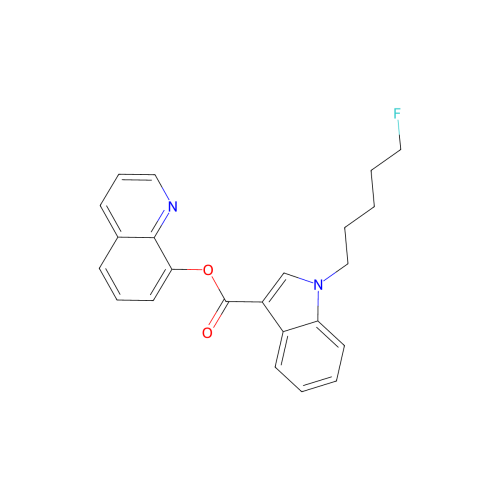
5F-PB-22
Price range: $452.00 through $9,240.00Select options This product has multiple variants. The options may be chosen on the product page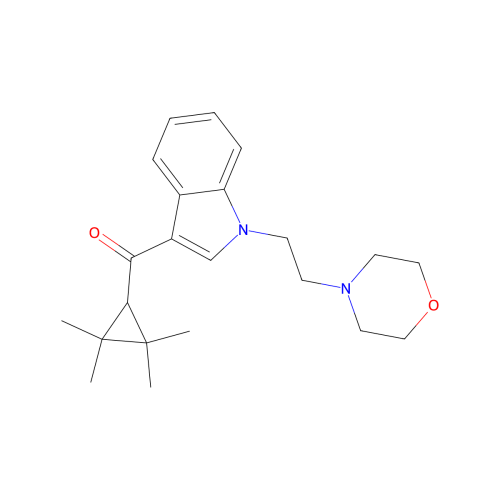
A-796,260
Price range: $452.00 through $9,240.00Select options This product has multiple variants. The options may be chosen on the product page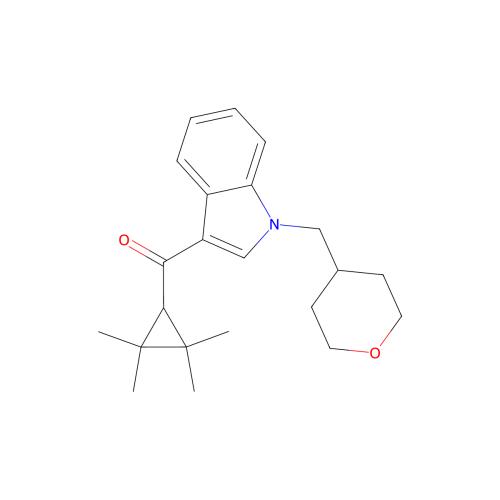
A-834,735
Price range: $452.00 through $9,240.00Select options This product has multiple variants. The options may be chosen on the product page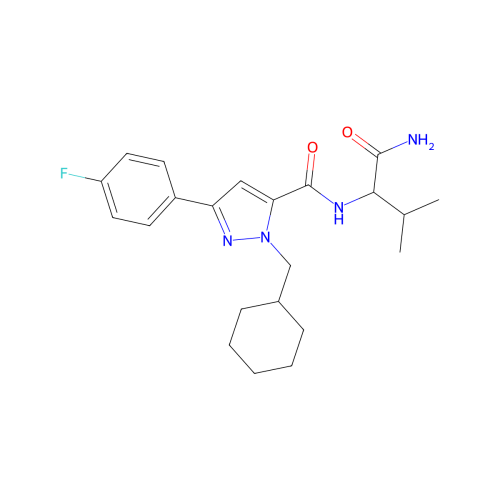
AB-CHFUPYCA
Price range: $452.00 through $9,240.00Select options This product has multiple variants. The options may be chosen on the product page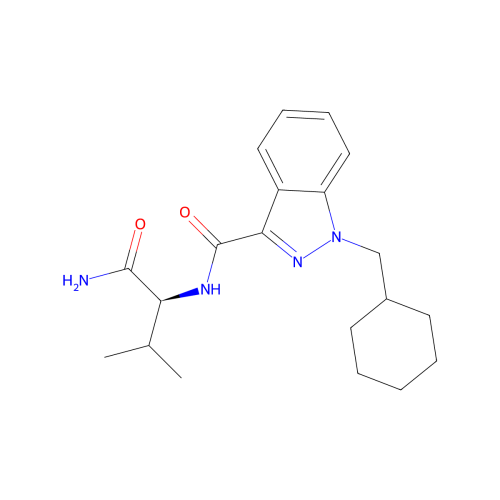
AB-CHMINACA
Price range: $452.00 through $9,240.00Select options This product has multiple variants. The options may be chosen on the product page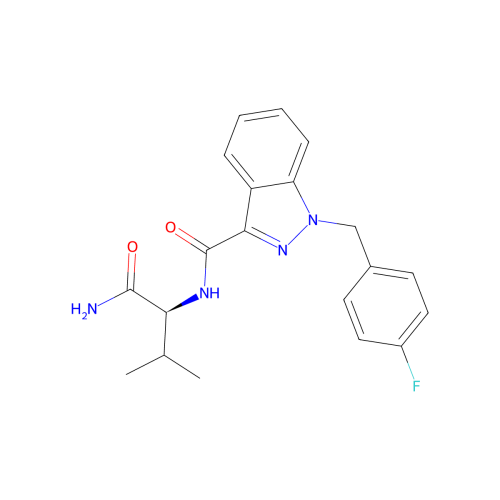
AB-FUBINACA
Price range: $452.00 through $9,240.00Select options This product has multiple variants. The options may be chosen on the product page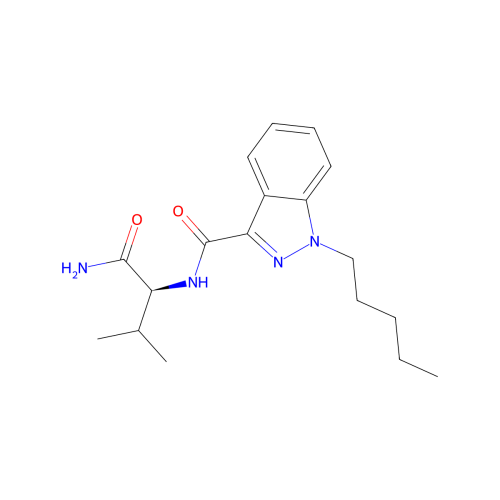
AB-PINACA
Price range: $452.00 through $9,240.00Select options This product has multiple variants. The options may be chosen on the product page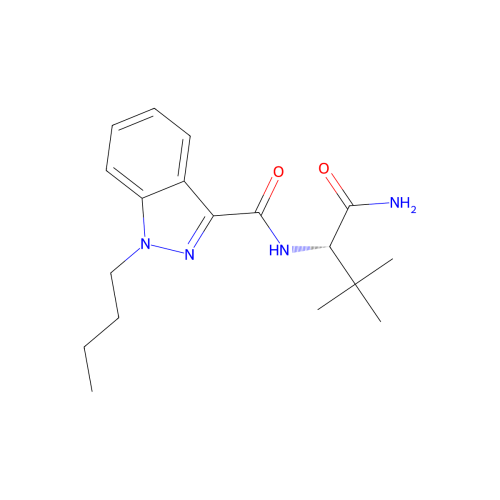
ADB-BUTINACA
Price range: $452.00 through $9,240.00Select options This product has multiple variants. The options may be chosen on the product page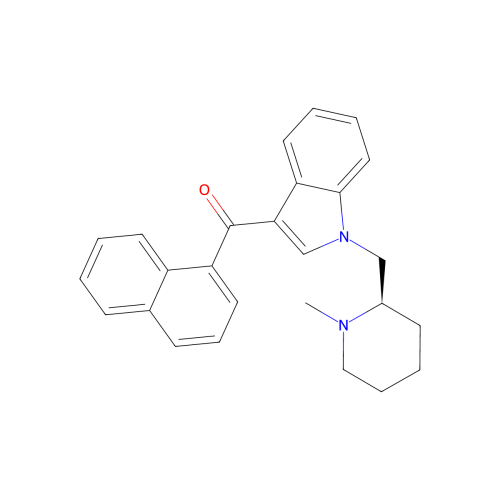
AM-1220
Price range: $410.00 through $8,715.00Select options This product has multiple variants. The options may be chosen on the product page