Opioids
What Are Opioids?
Opioids are substances that act at opioid receptors, a group of signalling proteins involved in pain, stress, reward and several bodily functions. Familiar examples include morphine, codeine, oxycodone, fentanyl and methadone. The body also produces its own opioid peptides, including endorphins and enkephalins. These endogenous messengers and opioid drugs interact with parts of the same biological system, although their distribution and duration of action differ.
The older word opiate usually refers more narrowly to naturally occurring opium alkaloids such as morphine and codeine. Opioid includes these compounds, their semisynthetic relatives and structurally different synthetic substances. Origin alone tells us little about how a compound behaves: a plant-derived opioid can cause fatal poisoning, while a synthetic opioid can have a well-established medical role.
Receptors Connect Pain Relief with Other Effects
The three classical opioid receptor types are mu, delta and kappa. They are G protein-coupled receptors, which change cellular signalling when activated. Many opioid analgesics act predominantly through the mu receptor. Their actions can reduce the transmission and processing of pain signals, but the same receptor system also participates in breathing, gastrointestinal movement and reinforcement.
In a mouse experiment that removed the mu-opioid receptor gene, morphine no longer produced its usual analgesic effect, conditioned place preference or physical dependence. This provided causal evidence that the same receptor was necessary for several otherwise distinct responses in those animals.
Receptor activation also varies between compounds. A full agonist can produce a larger maximum response than a partial agonist in a given experimental system. An antagonist binds without activating the receptor and can block an agonist’s effects. These terms describe pharmacology, rather than a simple scale from weak to strong.
Analgesia Depends on the Clinical Question
Opioids have important uses in acute pain, anaesthesia and selected cancer and palliative-care settings. Those uses do not tell us whether starting an opioid improves long-term function in every chronic pain condition.
The SPACE randomized trial followed 240 patients with chronic back pain or hip or knee osteoarthritis pain for 12 months. An opioid medication strategy was not superior to a nonopioid strategy for pain-related function. Pain intensity was lower in the nonopioid group, and medication-related symptoms were more common in the opioid group. Those findings concern the conditions and treatment strategies studied, rather than all pain or all opioid prescribing.
Why Respiratory Depression Is Central to Toxicity
Opioids can suppress the neural drive to breathe. As ventilation falls, carbon dioxide accumulates and oxygen delivery may become inadequate. Profound drowsiness can accompany this process, but an opioid overdose is more than unusually deep sleep.
Different clinical effects need not increase in parallel. In a controlled buprenorphine study in healthy volunteers, the two exposure conditions produced different analgesic responses but similar respiratory depression. This supported a ceiling in the respiratory response over the range examined. Breathing was nevertheless depressed in both groups; a ceiling is not the absence of a hazardous effect.
Concurrent alcohol, benzodiazepines or other depressants can further compromise consciousness and breathing. The assessment of drug-related risk therefore needs the whole exposure history, including substances that do not themselves act at opioid receptors.
Tolerance, Dependence and Opioid Use Disorder
Tolerance means that a response changes with repeated exposure. Physical dependence means that the body has adapted sufficiently for withdrawal to occur when exposure is reduced or stopped. Neither term, by itself, establishes opioid use disorder, which involves a clinically significant pattern of impaired control and harm. These processes can coexist, but they are not interchangeable diagnoses.
A Massachusetts cohort of 17,568 adults who survived an opioid overdose found that methadone treatment and buprenorphine treatment were associated with lower subsequent mortality. Because treatment was not randomly assigned, differences between those who received it and those who did not could still have influenced the results.
Recognizing an Opioid Emergency
The World Health Organization’s account of opioid overdose identifies impaired breathing and unconsciousness as critical signs. An unresponsive person with slow, absent or abnormal breathing needs immediate emergency assistance. Naloxone can reverse opioid effects, but breathing support and continued observation may still be necessary.
For unfamiliar substances described as research chemicals, a label cannot establish the active ingredient or its duration. Emergency assessment should be guided by the person’s condition, without waiting to confirm a name on a packet.
Showing the single result
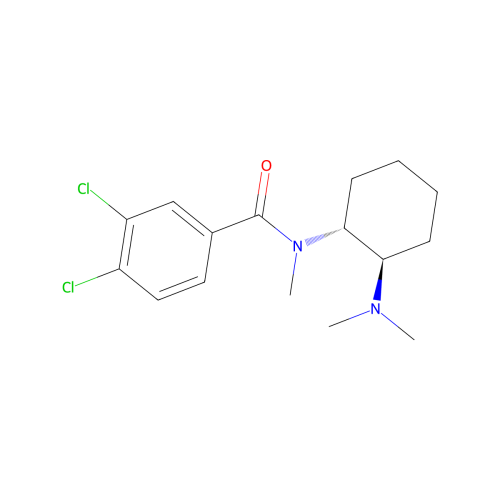
U-47700
Price range: $410.00 through $8,715.00Select options This product has multiple variants. The options may be chosen on the product page