Pyrrolidinophenones
What Are Pyrrolidinophenones?
Pyrrolidinophenones are a group of synthetic cathinones in which the amino nitrogen forms part of a five-membered pyrrolidine ring. The nitrogen is attached to the side-chain carbon next to a ketone group. Examples include α-PPP, α-PBP, α-PVP and α-PHP; the Greek letter α is also written as “alpha”.
The names describe related structures, not interchangeable substances. Alpha-PVP, for example, is alpha-pyrrolidinovalerophenone, also called alpha-pyrrolidinopentiophenone. Pyrovalerone and MDPV belong to the same broad structural group. The narrower expression “pyrovalerone-type cathinones” therefore overlaps with pyrrolidinophenones rather than defining a completely separate class.
A Ring on the Amino Group
The pyrrolidine ring distinguishes these compounds from cathinones with simpler amino substituents, such as methcathinone. Within the group, the aromatic substituents and the rest of the side chain can also vary. This leaves considerable chemical diversity behind a category name that sounds relatively specific.
Related names sometimes appear together in reports about research chemicals. The abbreviation still has to identify the compound precisely: an experiment on alpha-PVP is not direct evidence about alpha-PHP, and a result for one member cannot establish the behaviour of every possible derivative.
Evidence for Dopamine and Noradrenaline Uptake Inhibition
A comparison of MDPV, alpha-PVP, alpha-PBP and alpha-PPP examined monoamine transport in rat brain preparations. These compounds inhibited dopamine and noradrenaline uptake without showing the releasing action characteristic of transporter substrates. Experiments in mice also found stimulant-like increases in movement.
Increased movement is an observable animal response, but it is not a direct measure of human alertness, pleasure or compulsive behaviour. The transporter findings are more specific: they describe how the compounds interfere with the clearance of released neurotransmitters.
Work using human monoamine transporters expressed in cells likewise found uptake inhibition without transmitter release for several pyrrolidinophenones. Their relative activities at dopamine and noradrenaline transporters differed. Even within this mechanistic pattern, it would be inaccurate to assign every member an identical transporter profile.
“Human transporter” refers to the protein used in the experiment. It does not mean that the study measured effects in human volunteers. Cell systems isolate particular interactions, while a person also metabolizes the compound and experiences its actions across multiple organs.
What Animal Self-Administration Can Establish
Transporter results help explain why researchers investigate these compounds for reinforcing effects. Reinforcement has a specific experimental meaning: a consequence increases the likelihood that an animal will repeat the action that produced it.
In a self-administration study in male rats, both alpha-PVP and MDPV supported drug-taking behaviour under the experimental conditions. The animals performed a response to receive the substance. This provides evidence of reinforcing properties, beyond a simple observation that a compound increased movement.
Human dependence involves a longer course and a wider set of circumstances. The animal result cannot predict what proportion of exposed people will develop dependence, or how their behaviour will change over time. It does, however, give researchers a reason to investigate repeated drug-taking rather than treating stimulation as the only relevant outcome.
Alpha-PVP in Hospital Presentations
A STRIDA case series from Sweden examined 42 hospital presentations in which alpha-PVP was the only stimulant detected. Tachycardia and agitation were common; hypertension, hallucinations and delirium were also reported. Some presentations were severe.
Only stimulant does not mean only psychoactive substance. Alpha-PVP was the sole detected psychoactive substance in 14 of the 42 cases. Other cases also involved substances such as opioids, benzodiazepines or alcohol. That detail is essential when interpreting symptoms that might reflect combined exposures rather than the stimulant alone.
The series offers clinical evidence of harmful episodes involving alpha-PVP, but its findings cannot be assigned unchanged to alpha-PPP, alpha-PBP or alpha-PHP. Those compounds require their own clinical observations, even where laboratory studies suggest a related mechanism.
For safety assessment, a positive laboratory result is one part of the clinical record. The other substances present, the progression of symptoms and physiological measurements help explain why superficially similar exposures can produce quite different hospital presentations.
Showing all 3 results
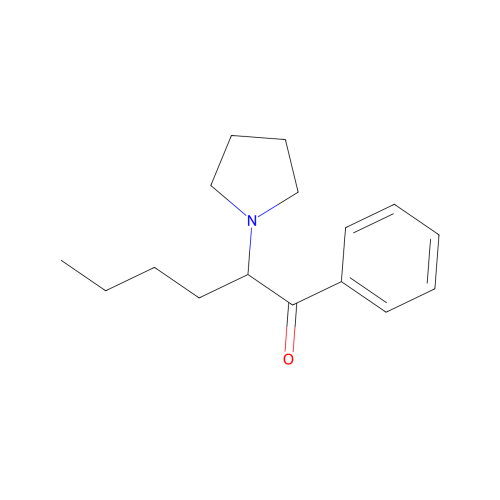
a-PHP
Price range: $410.00 through $8,715.00Select options This product has multiple variants. The options may be chosen on the product page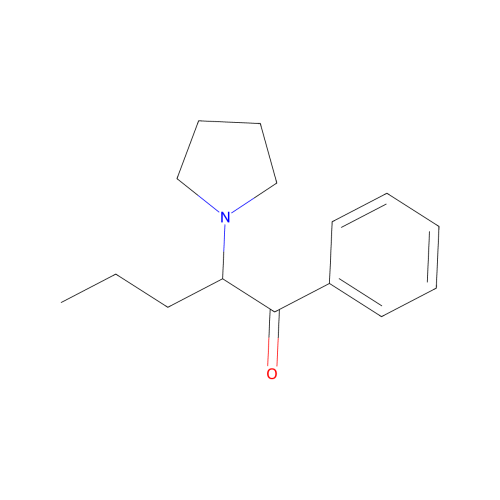
a-PVP
Price range: $410.00 through $8,715.00Select options This product has multiple variants. The options may be chosen on the product page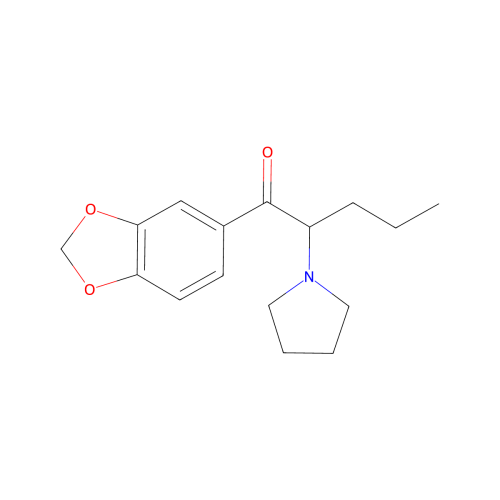
MDPV
Price range: $410.00 through $8,715.00Select options This product has multiple variants. The options may be chosen on the product page