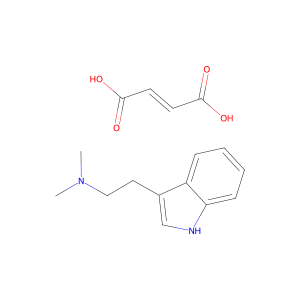
What is DMT?
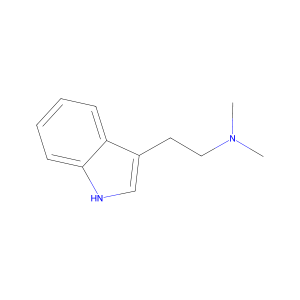
DMT, or N,N-dimethyltryptamine, is a naturally occurring psychedelic tryptamine described in PsychonautWiki’s DMT entry and found in a range of plant species. It is also known as N,N-DMT to distinguish it from other dimethylated tryptamines. DMT is structurally related to serotonin and other indoleamines, but its effects on perception and consciousness are unusually rapid when it is administered by routes that allow it to reach the circulation without being extensively metabolized in the gut and liver. DMT has also been detected in mammalian tissues, although the physiological significance of endogenous concentrations remains uncertain.
Natural occurrence and historical context
DMT occurs in numerous plant species, including plants used in traditional South American preparations. In ayahuasca, DMT-containing plant material is combined with plants that contain beta-carbolines such as harmine and harmaline. These compounds inhibit monoamine oxidase A, allowing orally ingested DMT to remain available for absorption. DMT is also present in some plants that have been used in snuffs and other preparations.
The compound was first synthesized in 1931 by Richard Manske and later investigated pharmacologically by Stephen Szara in the 1950s. Its modern clinical research history includes controlled intravenous studies, work on prolonged infusions and investigations into possible psychiatric applications.
Pharmacology and metabolism
DMT interacts with several serotonin receptors, including 5-HT2A, 5-HT2C and 5-HT1A. Its psychedelic effects are strongly associated with 5-HT2A activation, although other receptor systems may contribute to its broader physiological and subjective profile. The receptor pharmacology and the evidence for endogenous DMT are reviewed in “Neuropharmacology of N,N-Dimethyltryptamine”. DMT is rapidly metabolized, mainly through oxidative deamination by monoamine oxidase A. This rapid metabolism is a major reason why the route of administration has such a pronounced effect on its time course.
A 2025 systematic review of human pharmacokinetic studies examined eight datasets from 13 publications. It found substantial variability between individuals and between administration schemes, with exposure differing between bolus injections and infusions. The review also emphasized that the available data are still relatively limited and do not support one universal pharmacokinetic model for every route. The analysis is published as “Clinical Pharmacokinetics of N,N-Dimethyltryptamine: A Systematic Review and Post-hoc Analysis”.
Human clinical research
DMT has been administered in controlled clinical studies, including investigations of its acute psychological effects and physiological responses. In a 1994 double-blind, placebo-controlled dose-response study, Strassman and colleagues administered intravenous DMT to experienced hallucinogen users. Peak blood concentrations and subjective effects appeared within about two minutes and had largely subsided by 30 minutes. The study also documented dose-related increases in blood pressure, heart rate, pupil diameter and body temperature. A later 2025 randomized, double-blind, placebo-controlled trial examined a six-hour intravenous infusion in healthy volunteers. The study found that a continuous infusion could maintain measurable plasma exposure while producing relatively mild psychedelic effects after the initial bolus phase. At the highest exposure, participants showed changes in sustained attention, postural stability and occipital alpha EEG power. No significant abnormalities in vital signs or ECG were reported in the study population. These findings provide useful pharmacokinetic and pharmacodynamic information, but they do not establish long-term safety or therapeutic efficacy. See the 2025 trial of prolonged intravenous DMT infusion.
Subjective effects
Descriptions of DMT often emphasize the speed and intensity of its effects. When inhaled or administered intravenously, the onset can be rapid, with a brief period of highly altered perception. Reports include complex visual imagery, changes in body awareness, a sense of entering an unfamiliar environment and profound changes in the ordinary sense of self. The intensity can make the experience difficult to describe in ordinary language, and memory for details may be incomplete.
| Perceptual and physical effects | Cognitive and emotional effects |
|---|---|
|
|
Toxicological considerations
DMT’s rapid metabolism does not make every exposure predictable or free of risk. Acute physiological effects can include elevated heart rate and blood pressure, while psychological reactions may include panic, confusion or disorientation. The risk profile changes substantially when DMT is combined with monoamine oxidase inhibitors or other serotonergic substances, because inhibition of its primary metabolic pathway can increase and prolong exposure.
Clinical studies conducted under controlled conditions provide information about short-term effects in screened participants. How these findings apply to unregulated preparations, unknown concentrations or combinations with other substances remains uncertain. Long-term outcomes and the safety of repeated or unsupervised use remain less well characterized than the acute pharmacology.