Empathogens
What Are Empathogens?
Empathogens are psychoactive substances associated with feelings of emotional openness, interpersonal closeness and reduced social defensiveness. The related term entactogen emphasizes access to one’s own feelings and a sense of inward emotional contact. MDMA is the most extensively studied example, but the category is defined by effects rather than by a single chemical structure.
Feeling unusually connected to another person, sharing an emotional response and correctly identifying what that person feels are different abilities. These abilities can change independently under a drug.
How Empathy Is Measured
Researchers distinguish emotional empathy from cognitive empathy. Emotional empathy concerns the response to another person’s emotional situation. Cognitive empathy concerns understanding or inferring that situation. Laboratory tasks try to measure these components separately rather than relying only on a participant’s report of feeling sociable.
In a controlled study involving 32 healthy volunteers, MDMA increased measures of emotional empathy but did not improve cognitive empathy on the same test. Recognition of some negative facial emotions was impaired, with aspects of the response differing between men and women.
Someone may feel warmer or less threatened while becoming less accurate at recognizing anger or fear. An enhanced feeling of connection is a real subjective effect, but it does not demonstrate that the other person’s intentions have been read correctly.
Social Effects Depend on the Situation
A controlled experiment using a repeated cooperation game found that MDMA increased cooperation with trustworthy opponents, but not significantly with untrustworthy ones. It also altered recovery after breaches of cooperation. The finding suggests a change in how participants responded to a social situation rather than indiscriminate trust.
Other experiments have not produced the same pattern across different tasks. In a placebo-controlled study of trust, cooperation and empathy, subjective drug effects increased without a corresponding increase in the prosocial behaviours assessed. Task design, the social setting and the outcome being measured can all matter.
Generosity, emotion recognition, cooperation and subjective closeness are different outcomes. Their results need not move together, which helps explain why experiments can produce different findings about “prosocial” effects.
Monoamines, Hormones and Mechanism
MDMA interacts with transporters for serotonin, noradrenaline and dopamine. These proteins normally participate in clearing neurotransmitters from the space between cells. MDMA can act as a transporter substrate and promote release, changing monoamine signalling across multiple systems.
Oxytocin has attracted attention because it is involved in aspects of social behaviour and can rise after MDMA. A change in blood oxytocin, however, does not establish how much is released at particular brain sites or prove that it causes a reported feeling. Social effects involve several interacting neural and bodily processes.
A comparison of MDMA and methylphenidate found different patterns of social and emotional responses. Increased alertness or energy alone was insufficient to reproduce the profile observed with MDMA.
Compounds Described as Empathogens
Many substances discussed as empathogens are substituted phenethylamines, including MDMA and related compounds. Selected aminoalkylbenzofurans and aminoindanes are also described in this way. The shared label reflects reported or experimentally investigated effects, while the chemical structures differ.
For newer compounds, an empathogenic reputation may originate in user descriptions or a resemblance to a known monoamine releaser. That is less direct evidence than a controlled human experiment using a defined material and a validated task. The term research chemical does not indicate which level of evidence is available.
A compound can also combine empathogenic, stimulant and perceptual effects. These categories do not divide psychoactive substances into mutually exclusive boxes. A description limited to empathy can therefore miss perceptual changes or stimulation.
Body Temperature, Circulation and Fluid Balance
Increased sociability can coexist with substantial physiological effects. Changes in body temperature, cardiovascular activity and fluid regulation are important parts of the toxicology of MDMA. The nature and extent of those effects cannot be assumed to match every substance called an empathogen.
A secondary analysis of four controlled MDMA trials examined changes in blood sodium and hormones involved in fluid balance. Reduced sodium was associated with changes in oxytocin, while the measured marker of vasopressin did not show the expected association. The results challenged an overly simple explanation based entirely on vasopressin release. They also illustrate how a measurable physiological hazard can coexist with the subjective effects that dominate popular descriptions.
In these experiments, emotional ratings and physiological measurements answer different questions. A participant can feel well while a blood test or cardiovascular measurement shows a clinically relevant change. Screening and supervision also affect the circumstances of a trial, which matters when interpreting its findings about safety outside the research setting.
Showing 17–17 of 17 results
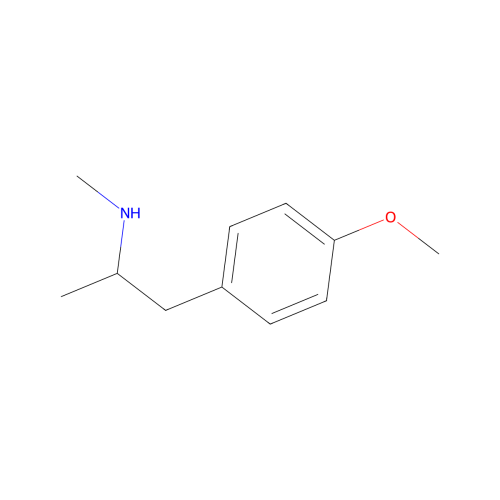
PMMA
Price range: $368.00 through $2,882.00Select options This product has multiple variants. The options may be chosen on the product page