Benzodiazepines
What Are Benzodiazepines?
Benzodiazepines are a family of compounds with effects that include anxiety reduction, sedation, muscle relaxation and seizure suppression. Diazepam, lorazepam, alprazolam and clonazepam are established examples. They act mainly by enhancing signalling at susceptible GABAA receptors.
The name refers to a benzene ring fused to a seven-membered ring containing two nitrogen atoms. Additional rings and substituents create several related structural groups. Some compounds discussed alongside benzodiazepines are close chemical relatives rather than strict members: etizolam, for example, has a thiophene ring in place of the benzene ring and is a thienodiazepine.
Enhancing GABA Rather Than Replacing It
GABAA receptors are ligand-gated ion channels. GABA binds at its own sites and changes the channel’s activity, contributing to inhibition in the mature nervous system. Classical benzodiazepines bind at a different site and positively modulate the receptor’s response to GABA.
Cryo-electron microscopy studies of human GABAA receptors have visualized diazepam and alprazolam in receptor complexes. The structures help explain how binding outside the channel pore can influence its behaviour.
GABAA receptors contain combinations of different protein subunits. Not every combination responds to benzodiazepines in the same way, and the receptors occur in different neural circuits. The balance of sedation, anxiety reduction, memory effects and muscle relaxation therefore cannot be represented by a single measure of receptor binding.
Sedation, Anxiety and Memory
In experiments with genetically modified mice, making alpha1-containing GABAA receptors insensitive to benzodiazepine modulation removed diazepam’s sedative and amnesic effects while preserving several other responses, including anxiety-related effects. The experiment separated actions that often occur together after the same drug.
This is evidence about receptor subtypes in an animal model, not a guarantee that a drug will produce cleanly separated effects in people. It nevertheless explains why sedation should not be treated as a necessary measure of anxiolytic efficacy.
Benzodiazepines can interfere with the formation of new memories during exposure. Someone may remain awake and responsive yet later recall events poorly; apparent wakefulness does not establish intact learning or judgement.
Clinical Benefit Depends on the Indication
Benzodiazepines have uses beyond inducing sleep. In a randomized trial involving 205 adults with prolonged or repeated convulsive seizures, paramedic-administered lorazepam or diazepam stopped status epilepticus before hospital arrival more often than placebo. The result concerns an acute medical emergency managed by trained personnel.
Longer treatment for other conditions requires separate evidence. The desired endpoint, treatment duration and adverse effects need to be considered together. Rapid symptom relief and sustained improvement after treatment are not the same outcome.
Physical Dependence and Withdrawal
Physical dependence can develop during prescribed treatment. It reflects adaptation to continued exposure and is distinct from a pattern of compulsive use despite harm. Tolerance may develop to some effects at a different rate from others, so a reduced feeling of sedation does not establish normal performance.
The FDA’s class-wide safety warning identifies dependence and withdrawal as risks even when benzodiazepines are taken as prescribed. Abrupt discontinuation or overly rapid reduction can cause serious withdrawal reactions, including life-threatening seizures. Changes after sustained use require an individualized clinical plan.
Insomnia or anxiety after discontinuation can also be difficult to interpret. Withdrawal, a temporary rebound of symptoms and recurrence of the original condition may overlap. The timing and treatment history help distinguish them; the symptom alone cannot.
Opioid Co-Exposure and Newer Compounds
Combining benzodiazepine effects with opioid-related respiratory depression can increase the danger of overdose. In a case-cohort study of US veterans receiving opioid analgesics, benzodiazepine prescribing was associated with increased overdose mortality. The study adjusted for measured differences between patients, but unmeasured differences could still have influenced the association.
Clinical surveillance has also documented less-established compounds. A report from five emergency departments detected substances including clonazolam, etizolam and flubromazolam in patients evaluated for suspected opioid overdose. Most of those patients also had an opioid detected. Mixed exposure makes it difficult to assign every symptom to a single substance.
Naloxone reverses opioid effects, but does not reverse benzodiazepine effects. Improvement after naloxone therefore does not exclude continuing sedation from another drug. This is one reason assessment of combined exposures must extend beyond the first identified substance.
For newer analogues, a laboratory analysis report can help establish identity. It cannot supply the missing human data on metabolism, accumulation or withdrawal. A familiar-looking name is not evidence that an analogue can be treated as equivalent to diazepam or another established medicine.
Showing 17–25 of 25 results
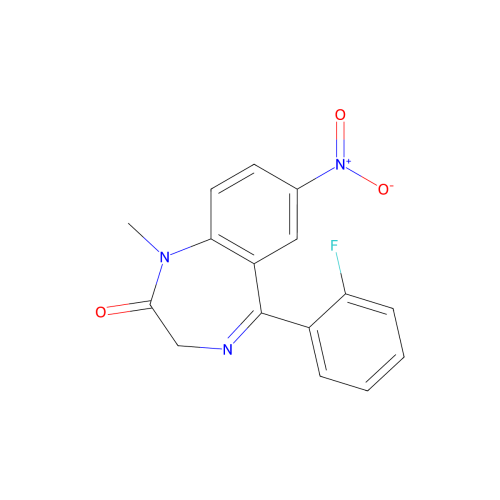
Flunitrazepam (Rohypnol)
Price range: $347.00 through $1,155.00Select options This product has multiple variants. The options may be chosen on the product page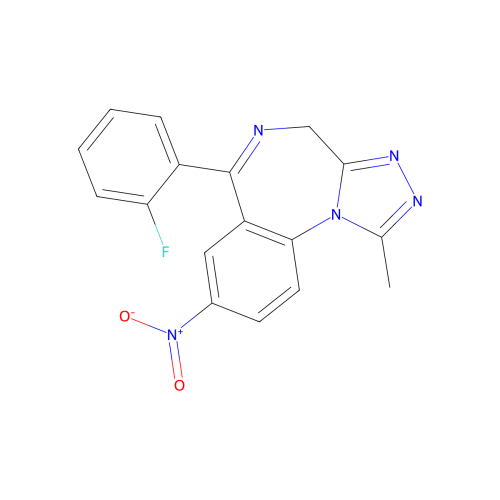
Flunitrazolam
Price range: $546.00 through $9,345.00Select options This product has multiple variants. The options may be chosen on the product page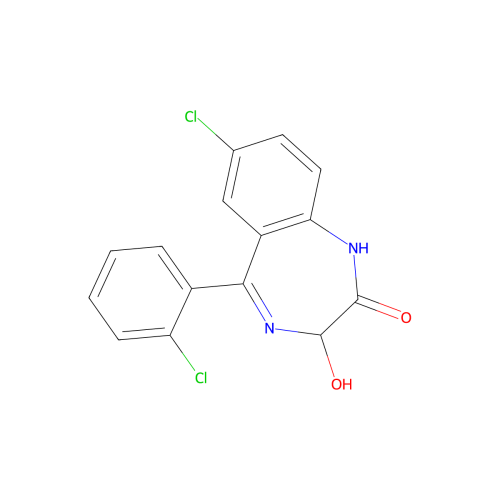
Lorazepam (Ativan)
Price range: $347.00 through $1,155.00Select options This product has multiple variants. The options may be chosen on the product page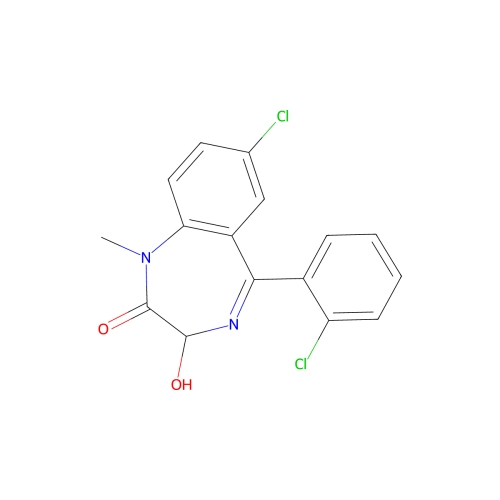
Lormetazepam
Price range: $347.00 through $1,155.00Select options This product has multiple variants. The options may be chosen on the product page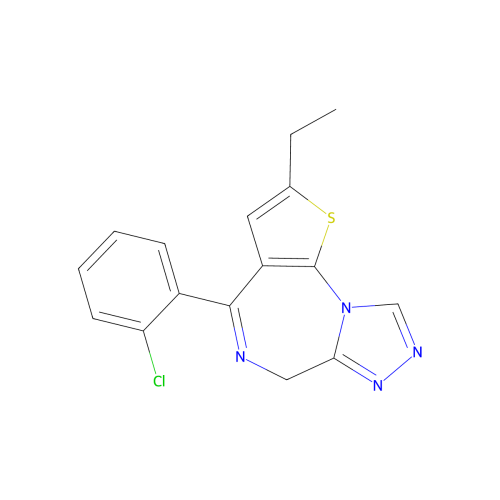
Metizolam
Price range: $546.00 through $9,345.00Select options This product has multiple variants. The options may be chosen on the product page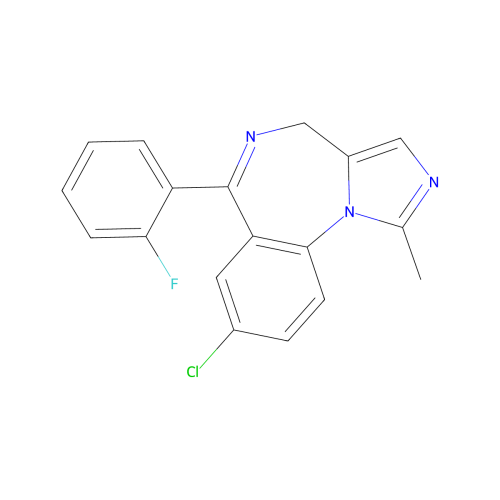
Midazolam (Dormicum)
Price range: $347.00 through $1,155.00Select options This product has multiple variants. The options may be chosen on the product page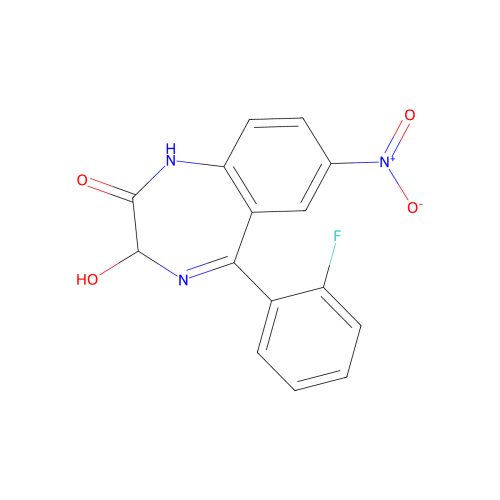
Nifoxipam
Price range: $546.00 through $9,345.00Select options This product has multiple variants. The options may be chosen on the product page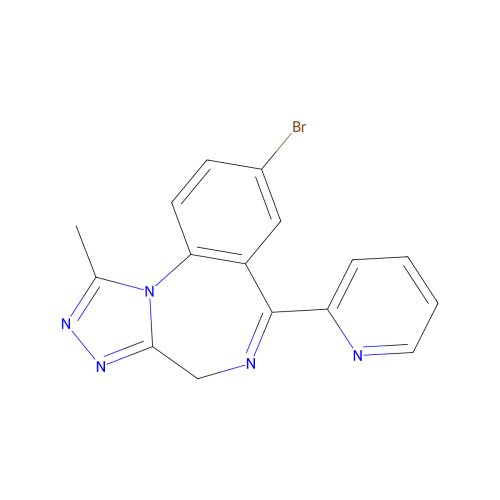
Pyrazolam
Price range: $546.00 through $9,345.00Select options This product has multiple variants. The options may be chosen on the product page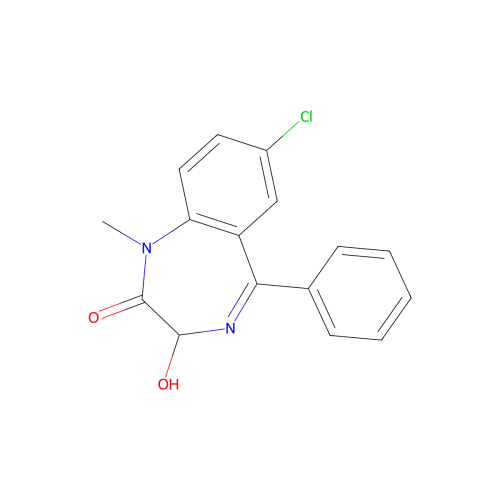
Temazepam
Price range: $347.00 through $1,155.00Select options This product has multiple variants. The options may be chosen on the product page