Sedatives
What Are Sedatives?
Sedatives are substances that reduce arousal and can produce calmness, drowsiness or diminished responsiveness. The term describes an effect, not one chemical family. Benzodiazepines, barbiturates, some antihistamines and several other medicines can be sedating through different biological mechanisms.
A hypnotic promotes sleep; an anxiolytic reduces anxiety. A drug may do both, but relief from anxiety does not require the same degree of impairment as deep sedation. Here, depressant refers to reduced central nervous system activity, not necessarily a depressed mood.
More Than One Route to Reduced Arousal
Many familiar sedatives influence gamma-aminobutyric acid, usually abbreviated to GABA. This neurotransmitter helps regulate neuronal inhibition. Benzodiazepines enhance the response of susceptible GABAA receptors to GABA, while barbiturates interact with the receptor system differently. A common influence on inhibition does not make these drug families pharmacologically interchangeable.
Other sedatives reduce signals that help maintain wakefulness. Sedating antihistamines act at histamine receptors in the brain. Orexin receptor antagonists act on another wake-promoting system. These mechanisms explain why drugs that all cause sleepiness can differ in their effects on memory, coordination and sleep.
In two three-month randomized trials, the orexin receptor antagonist suvorexant improved several measures of sleep onset and maintenance compared with placebo. The trials recorded patients’ reports and, in a subset, measured sleep physiology. They demonstrate that a hypnotic effect can be produced without the benzodiazepine mechanism.
Drowsiness and Next-Day Performance
A person may notice drowsiness without accurately judging their coordination or attention. Conversely, measurable impairment may remain even when they do not feel particularly sleepy. This mismatch matters when interpreting studies of driving and other demanding tasks.
A randomized driving-simulator experiment compared diphenhydramine, a less-sedating antihistamine, alcohol and placebo in 40 participants. Diphenhydramine impaired driving performance, while participants’ own drowsiness ratings were poor predictors of impairment. The study tested specific compounds under defined conditions; it did not establish that every antihistamine has the same effect.
Average next-morning results can conceal individual differences. In an on-road study of suvorexant, average changes did not cross the study’s threshold for clinically meaningful driving impairment. Nevertheless, some participants showed greater impairment, and several driving tests were stopped because of reported sleepiness.
Studying Insomnia Requires More Than Measuring Sedation
Insomnia involves difficulty sleeping and its consequences during waking life. A study may assess the time taken to fall asleep, wakefulness during the night, total sleep time, next-day function or sustained remission. Improvement in one outcome does not establish improvement in all of them.
In a randomized trial of persistent insomnia, cognitive behavioural therapy was studied alone and alongside zolpidem. Both approaches improved sleep during initial treatment. The combination produced some additional early benefit, while the best long-term result occurred in participants who initially received both treatments and subsequently continued with therapy alone.
The time frame changes the clinical question. An immediate hypnotic effect can be measured overnight; sustained improvement in insomnia requires follow-up after the initial treatment.
Repeated Exposure and Withdrawal
Adaptation to repeated exposure depends on the substance. With benzodiazepines and some other sedatives, tolerance and physical dependence can develop. Feeling less affected does not necessarily mean that cognitive or motor impairment has resolved.
The FDA’s benzodiazepine safety communication distinguishes physical dependence from misuse and warns that abrupt discontinuation can cause severe withdrawal, including seizures. This is a reason for medically supervised treatment changes, not a rule that every sedating substance has the same withdrawal syndrome.
Combined Exposures and Uncertain Identity
Sedation becomes especially concerning when consciousness, airway protection or breathing deteriorate. Alcohol, opioids and other depressants can contribute to the same clinical problem through different targets. Interactions therefore belong within any assessment of substance-related safety, even when the individual chemicals are well identified.
For an unfamiliar compound, the word sedative supplies even less information. The label research chemical does not establish its effective duration, active metabolites or resemblance to a prescribed medicine. Persistent reduced consciousness or abnormal breathing requires urgent medical assessment, whether or not the precise substance is known.
Showing 17–25 of 25 results
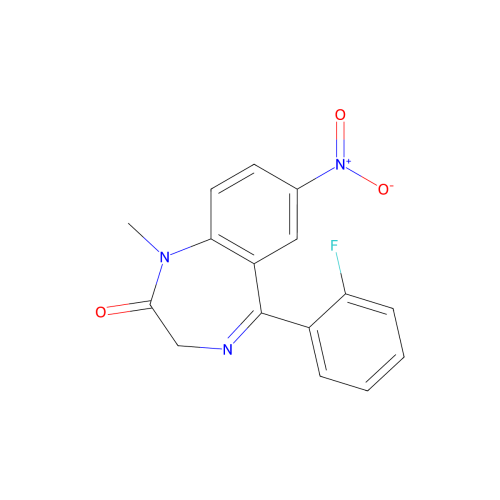
Flunitrazepam (Rohypnol)
Price range: $347.00 through $1,155.00Select options This product has multiple variants. The options may be chosen on the product page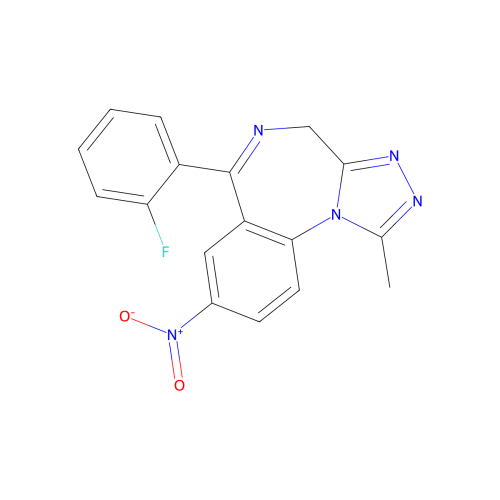
Flunitrazolam
Price range: $546.00 through $9,345.00Select options This product has multiple variants. The options may be chosen on the product page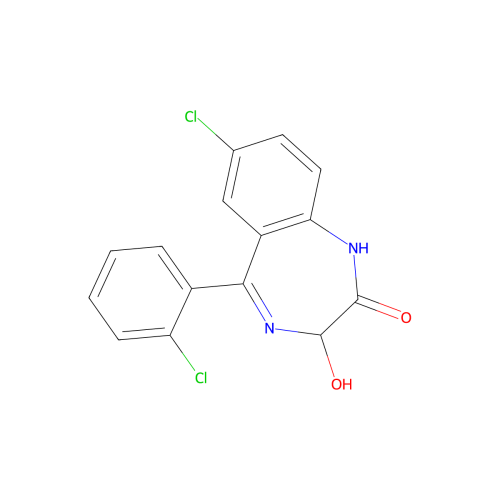
Lorazepam (Ativan)
Price range: $347.00 through $1,155.00Select options This product has multiple variants. The options may be chosen on the product page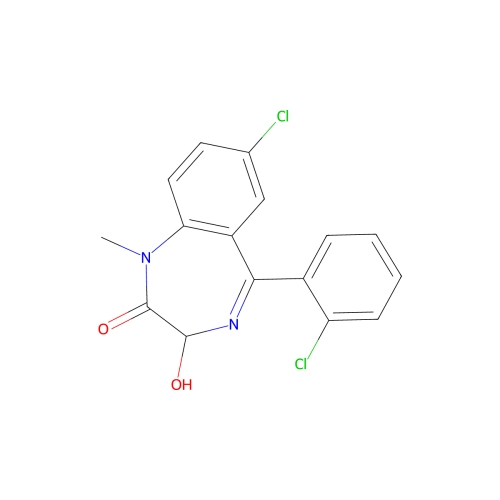
Lormetazepam
Price range: $347.00 through $1,155.00Select options This product has multiple variants. The options may be chosen on the product page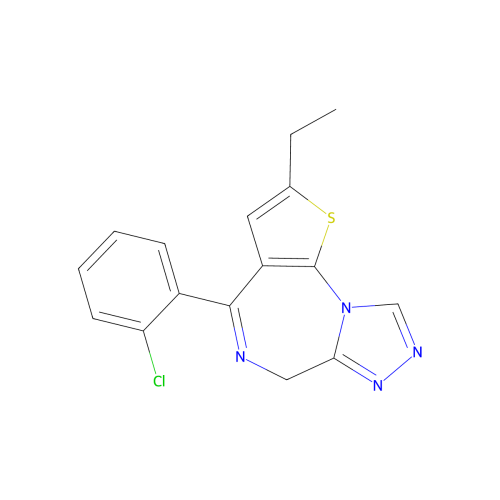
Metizolam
Price range: $546.00 through $9,345.00Select options This product has multiple variants. The options may be chosen on the product page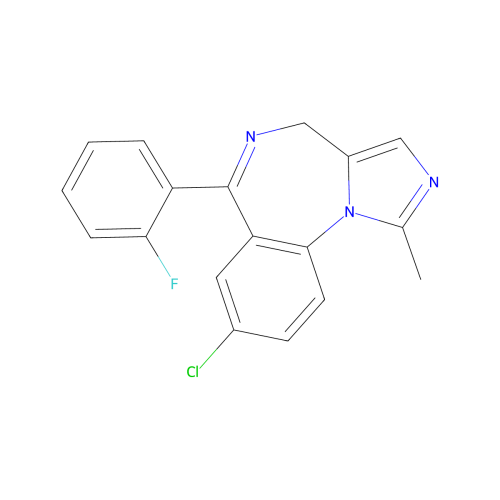
Midazolam (Dormicum)
Price range: $347.00 through $1,155.00Select options This product has multiple variants. The options may be chosen on the product page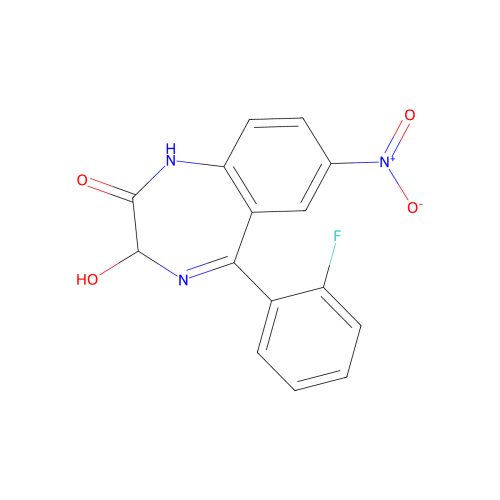
Nifoxipam
Price range: $546.00 through $9,345.00Select options This product has multiple variants. The options may be chosen on the product page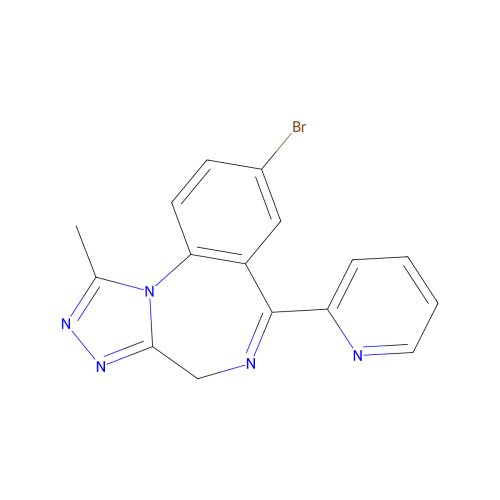
Pyrazolam
Price range: $546.00 through $9,345.00Select options This product has multiple variants. The options may be chosen on the product page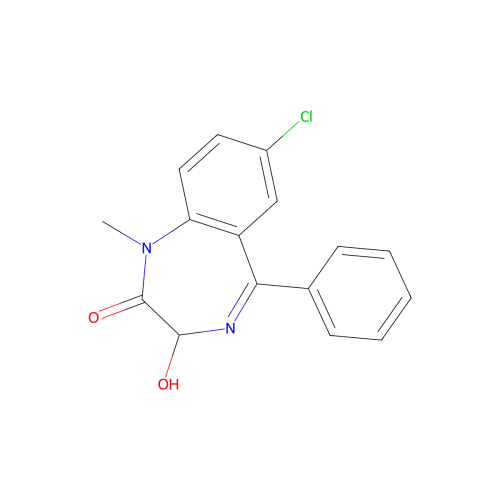
Temazepam
Price range: $347.00 through $1,155.00Select options This product has multiple variants. The options may be chosen on the product page