Stimulants
What Are Stimulants?
Stimulants are substances that can increase wakefulness, arousal or behavioural activity. The category includes familiar compounds such as caffeine, medicines such as methylphenidate and amphetamine, and numerous other psychoactive substances. It is defined by effects rather than by one molecular structure or a single mechanism.
Feeling more energetic is only part of the response. Attention, motivation, appetite, cardiovascular activity and sleep can all change, sometimes in different directions. Increased confidence or willingness to work does not necessarily mean that a task is being performed more accurately.
Transporters, Release and Wakefulness
Many stimulants influence dopamine and noradrenaline signalling. Transporters normally remove these neurotransmitters from the extracellular space. Drugs can interfere with that process or act as transporter substrates that promote release. Both mechanisms can increase signalling, but their cellular actions differ.
Methylphenidate primarily inhibits dopamine and noradrenaline uptake. Amphetamine has releasing actions involving monoamine transporters and intracellular processes. Caffeine belongs to a different pharmacological group: its familiar stimulant effect principally involves blocking adenosine receptors. These examples show why “stimulant” is too broad to predict a particular receptor profile.
Modafinil is often described as a wake-promoting agent. In a PET study involving ten healthy men, it occupied dopamine transporters and increased extracellular dopamine. This linked modafinil to a mechanism shared by other stimulants, although it did not establish that their overall effects were the same.
Clinical Treatment and Cognitive Performance
Stimulants can improve symptoms in appropriately assessed patients with attention-deficit/hyperactivity disorder. Benefits in these patients do not imply that the same drug improves every kind of cognition in people without the disorder.
The 14-month MTA trial assigned 579 children with ADHD to different treatment strategies. Carefully managed medication and combined treatment produced greater improvement in core ADHD symptoms than intensive behavioural treatment or routine community care. The study evaluated structured treatment, including follow-up, rather than medication exposure in isolation.
A 2023 placebo-controlled experiment using a complex optimization task tested methylphenidate, dextroamphetamine and modafinil. Participants put in more effort after taking the drugs, but the value of the solutions they produced declined. The chance of finding the optimal solution did not decline significantly, so the result was more specific than a general loss of ability.
The task required choosing a combination of items under constraints. More time and activity did not reliably produce better decisions. This does not negate clinical benefits in ADHD; it shows why performance needs to be measured for the population and task in question.
Synthetic Cathinones Are Pharmacologically Diverse
Cathinones are related to amphetamine structures but contain a carbonyl group on the side chain. Individual members can differ considerably in their relative actions on dopamine, noradrenaline and serotonin systems.
In cell experiments comparing several designer cathinones, compounds such as mephedrone and methylone showed serotonin-releasing activity, whereas MDPV and pyrovalerone primarily inhibited dopamine and noradrenaline uptake without the same releasing actions.
For compounds discussed as research chemicals, the available evidence may consist largely of these laboratory measurements and reports of poisoning. A transporter profile is useful for forming hypotheses, but it does not tell us how long effects last in people, the risk of dependence or the full range of toxic effects.
Cardiovascular and Psychiatric Effects
Stimulant exposure can increase heart rate and blood pressure, while agitation, overheating and seizures can occur in severe intoxication. The balance of effects depends on the compound, exposure, other substances and the person’s condition. Remaining awake does not protect against cardiovascular strain or the consequences of sleep loss.
Psychiatric outcomes also differ between drugs and populations. A study of adolescents and young adults starting ADHD medication compared matched groups receiving methylphenidate or amphetamine. New psychosis diagnoses accompanied by antipsychotic treatment were uncommon, but occurred more frequently in the amphetamine group.
The study used insurance records rather than random assignment. It adjusted for measured differences, but unmeasured factors could still contribute. Its estimates describe prescribed treatment in that population, not the probability of psychosis after an unknown stimulant exposure.
Repeated Exposure Changes the Context
With repeated exposure, changes in sleep, appetite, motivation and patterns of use can become as important as a single acute response. Fatigue or low mood after stopping may reflect both the drug’s effects and accumulated sleep disruption. A symptom should be interpreted alongside that history rather than attributed to one neurotransmitter change.
Identity, interactions and exposure history all contribute to research chemical safety. With stimulants, an account of feeling alert or productive needs to be considered alongside sleep, cardiovascular effects and actual performance.
Amphetamines
Stimulant phenethylamines
Phenidates
Phenmetrazines
Pyrovalerones
Pyrrolidinophenones
Showing 17–32 of 68 results
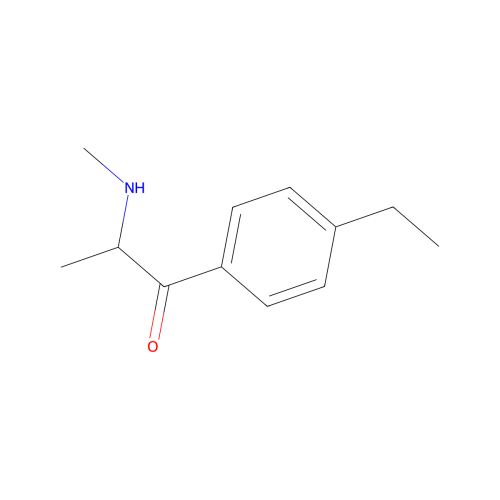
4-EMC
Price range: $473.00 through $9,135.00Select options This product has multiple variants. The options may be chosen on the product page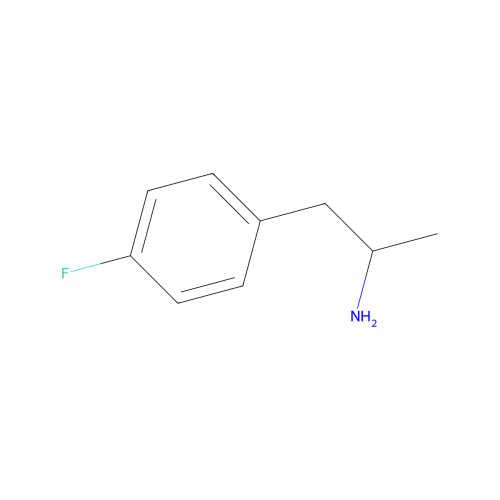
4-FA
Price range: $399.00 through $8,505.00Select options This product has multiple variants. The options may be chosen on the product page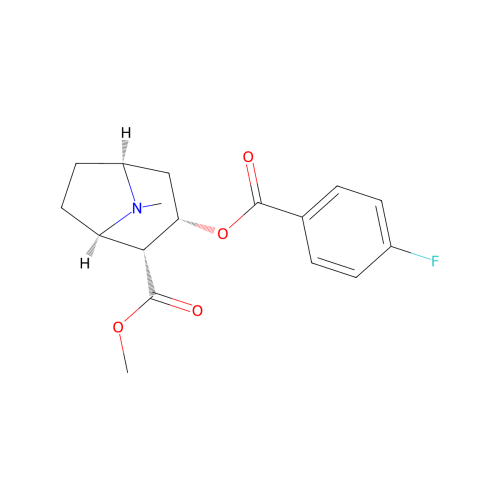
4-Fluorococaine
Price range: $473.00 through $9,135.00Select options This product has multiple variants. The options may be chosen on the product page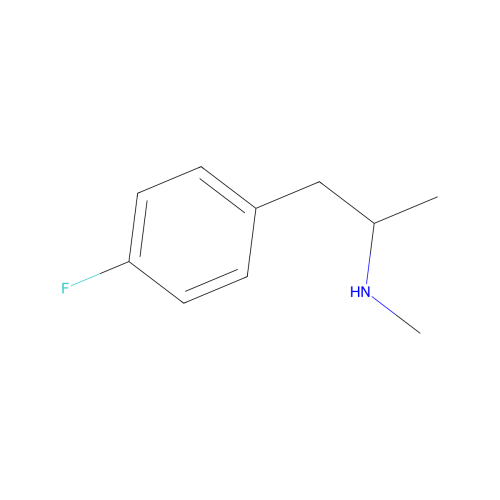
4-FMA
Price range: $399.00 through $8,505.00Select options This product has multiple variants. The options may be chosen on the product page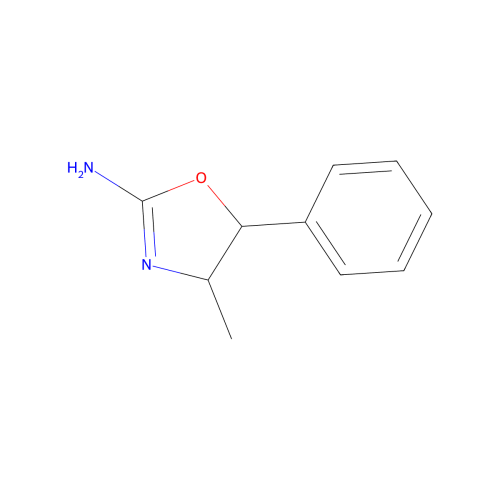
4-MAR
Price range: $473.00 through $9,135.00Select options This product has multiple variants. The options may be chosen on the product page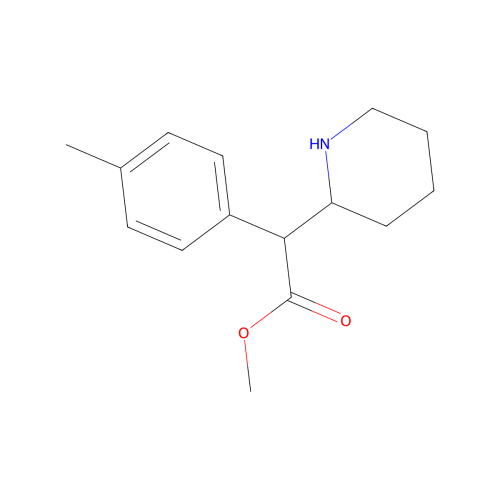
4-Me-TMP
Price range: $473.00 through $9,135.00Select options This product has multiple variants. The options may be chosen on the product page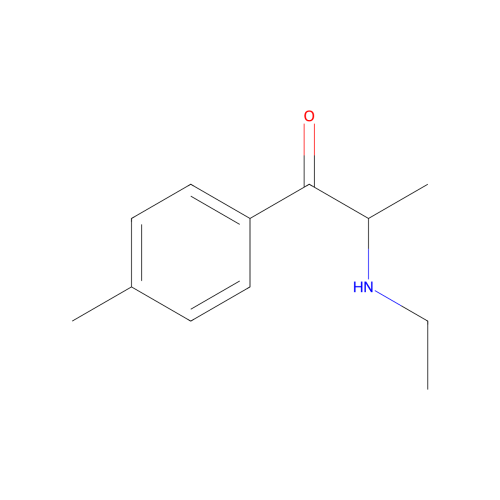
4-MEC
Price range: $473.00 through $9,135.00Select options This product has multiple variants. The options may be chosen on the product page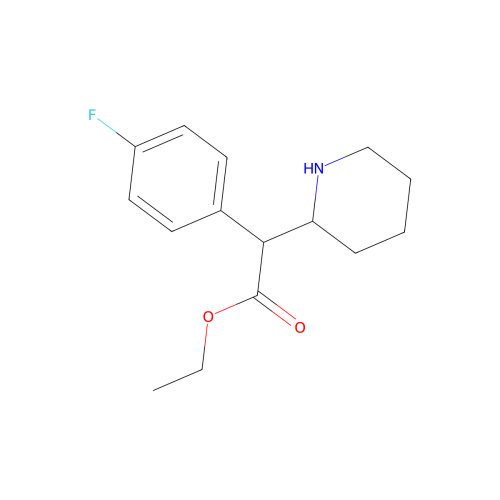
4F-EPH
Price range: $483.00 through $9,345.00Select options This product has multiple variants. The options may be chosen on the product page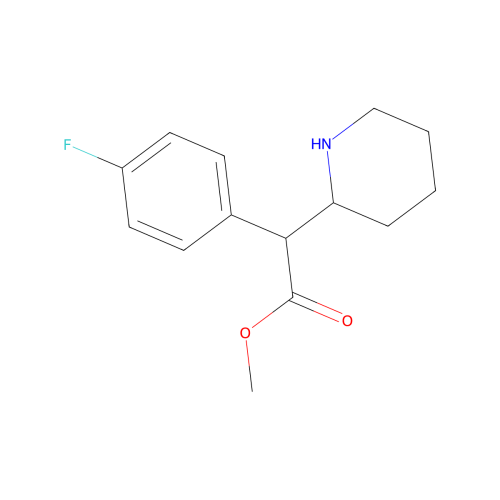
4F-MPH
Price range: $483.00 through $9,345.00Select options This product has multiple variants. The options may be chosen on the product page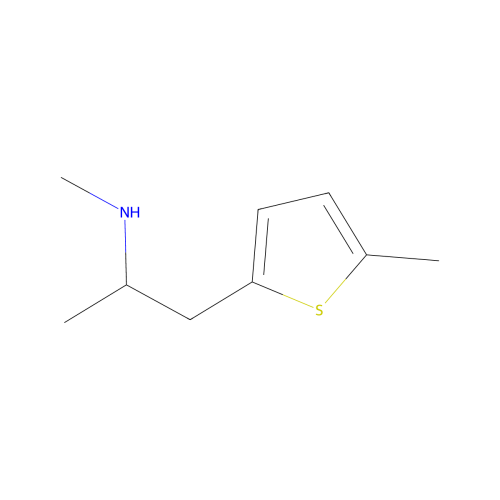
5-MMPA
Price range: $473.00 through $9,135.00Select options This product has multiple variants. The options may be chosen on the product page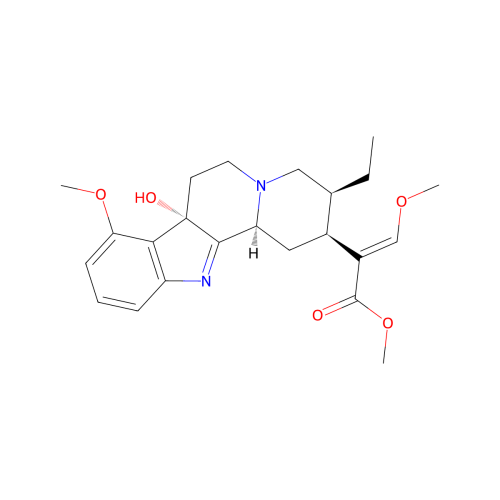
7-OH
Price range: $473.00 through $9,135.00Select options This product has multiple variants. The options may be chosen on the product page
a-D2PV
Price range: $410.00 through $8,715.00Select options This product has multiple variants. The options may be chosen on the product page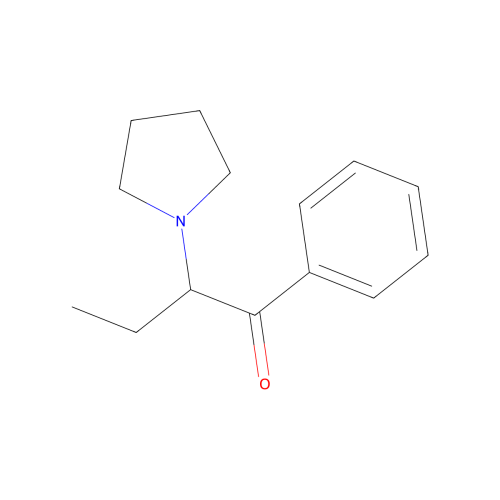
A-PBP
Price range: $410.00 through $8,715.00Select options This product has multiple variants. The options may be chosen on the product page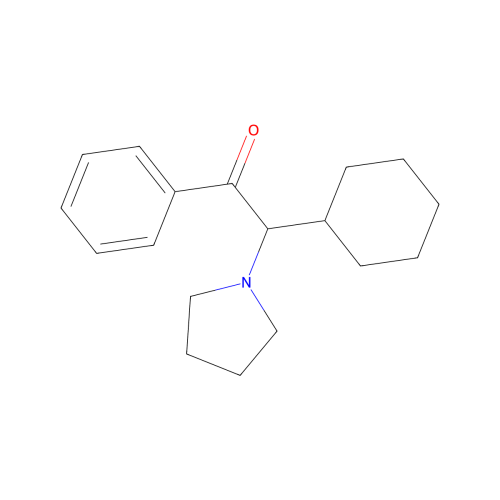
a-PCYP
Price range: $410.00 through $8,715.00Select options This product has multiple variants. The options may be chosen on the product page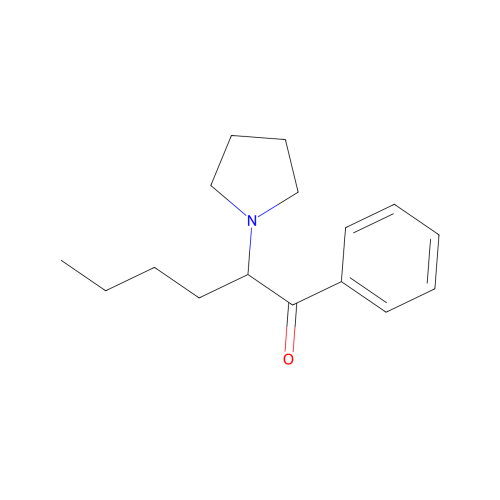
a-PHP
Price range: $410.00 through $8,715.00Select options This product has multiple variants. The options may be chosen on the product page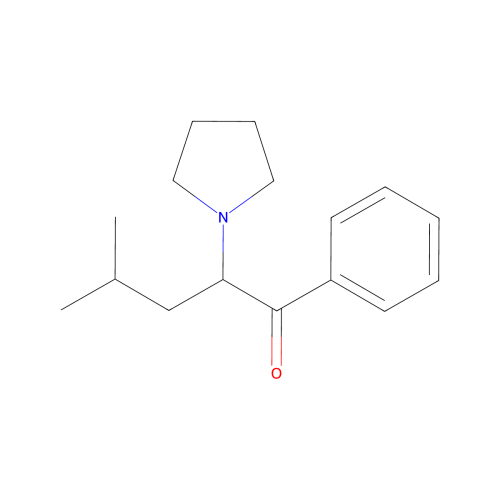
a-PiHP
Price range: $410.00 through $8,715.00Select options This product has multiple variants. The options may be chosen on the product page