Psychedelics
What Are Psychedelics?
Psychedelics are substances that can profoundly alter perception, thought, emotion and the experience of self. In pharmacology, classic psychedelics usually means compounds whose characteristic effects depend strongly on serotonin 5-HT2A receptor activation. LSD, psilocin, DMT and mescaline are familiar examples.
The experience is not limited to seeing things that are absent. Ordinary objects may acquire unusual visual qualities or emotional significance; time, bodily boundaries and familiar patterns of thought can change. The broader word hallucinogen also includes drugs with different mechanisms, so it is not an exact synonym for a classic serotonergic psychedelic.
Several Chemical Families Reach a Shared Target
Classic psychedelics include lysergamides such as LSD, tryptamines such as psilocin and DMT, and substituted phenethylamines such as mescaline. These structures differ substantially. Their shared receptor activity brings them into the same pharmacological group, despite their different structures.
The 5-HT2A receptor is a G protein-coupled receptor involved in serotonin signalling. Activating it changes cellular communication within cortical circuits. Many psychedelic compounds also interact with other serotonin receptors or additional targets, which can contribute to differences between them.
In a PET study of psilocybin, brain 5-HT2A receptor occupancy and blood psilocin concentrations were closely associated with reported psychedelic intensity. Psilocybin is converted to psilocin in the body.
Changes in Brain Networks
Researchers also examine how activity is coordinated across brain regions. Functional connectivity describes statistical relationships between signals over time. It does not mean that a scan has directly counted new nerve connections.
A placebo-controlled DMT experiment in 20 healthy volunteers combined EEG with functional MRI. DMT increased global functional connectivity while reducing the usual separation between several networks. Changes in electrical signal diversity accompanied the altered state. These findings concern the organization of activity during exposure; they do not show that the brain became uniformly more active or more effective at every task.
A thought can feel unusually important without becoming more accurate. Whether a strong sense of connection or insight leads to lasting clinical benefit needs to be tested separately.
Neural Plasticity and Therapeutic Research
Neural plasticity refers to changes in the structure or function of neural connections. In experiments reported in 2018, several psychedelics promoted aspects of neurite growth, dendritic spine formation and synaptic function in cell and animal models. These findings gave researchers a biological basis for investigating possible therapeutic effects.
A cultured neuron growing more branches is not the same outcome as a person recovering from depression. Plasticity can support different forms of learning and adaptation, and its clinical significance depends on where, when and how changes occur. The experiments did not establish that all psychedelics produce equivalent or beneficial long-term changes in the human brain.
What Clinical Trials Have Established
Psychedelic trials study particular compounds within defined treatment programmes. Participant screening, preparation, psychological support and follow-up are part of those programmes. The findings do not automatically apply to other substances described as research chemicals.
In the 2021 trial comparing psilocybin with escitalopram for depression, the groups did not differ significantly on the prespecified primary depression measure at six weeks. Several secondary outcomes favoured psilocybin, but those analyses were not adjusted for multiple comparisons. The trial therefore did not demonstrate superiority on its primary outcome; nor did the absence of a significant difference prove that the treatments were equivalent.
Blinding is another challenge. Noticeable psychoactive effects can help participants and staff guess which treatment was given. Expectations may then influence reported outcomes alongside pharmacology, making the design and interpretation of these studies unusually demanding.
Distress and the Conditions of Research
Psychedelic effects can include fear, confusion and a loss of familiar psychological reference points. In a pooled analysis of eight psilocybin experiments, acute anxiety or panic occurred in some participants, while follow-up found no persistent perceptual disorder or prolonged psychosis in the 110 selected healthy volunteers. The participants had been screened, prepared and monitored.
Those conditions are central to interpreting psychedelic safety. A study with no observed rare complication does not establish that the complication cannot occur, particularly in populations the study excluded. Chemical identity matters too: compounds with superficially similar reported effects can have very different physical toxicities.
Showing 49–64 of 165 results
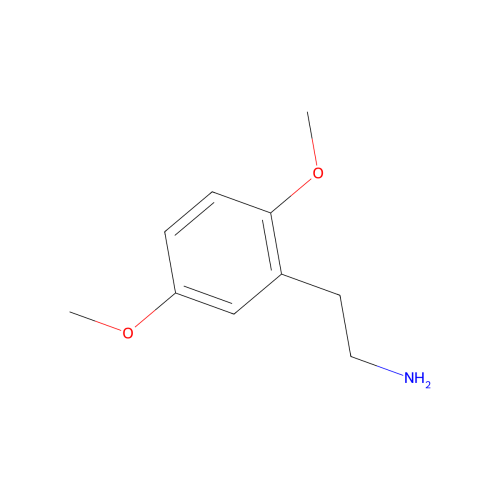
2C-H
Price range: $410.00 through $2,996.00Select options This product has multiple variants. The options may be chosen on the product page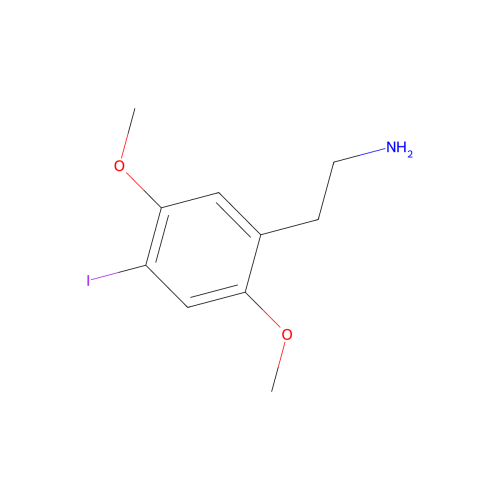
2C-I
Price range: $410.00 through $2,996.00Select options This product has multiple variants. The options may be chosen on the product page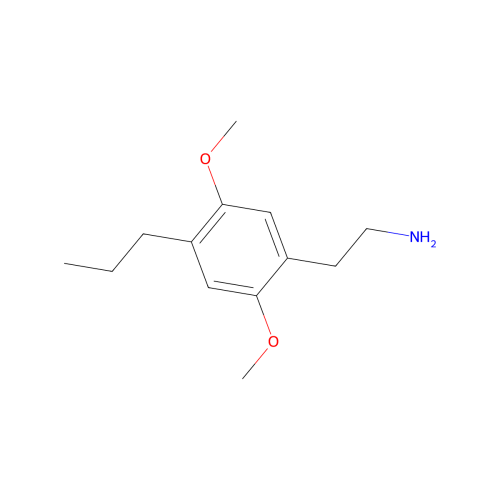
2C-P
Price range: $410.00 through $2,996.00Select options This product has multiple variants. The options may be chosen on the product page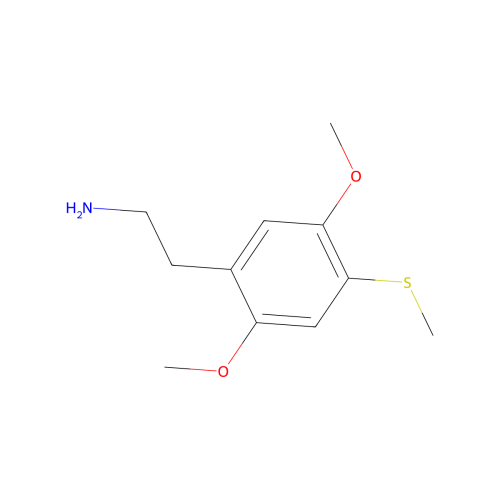
2C-T
Price range: $410.00 through $2,996.00Select options This product has multiple variants. The options may be chosen on the product page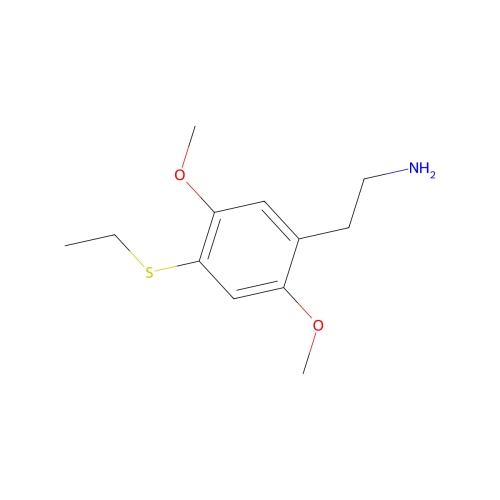
2C-T-2
Price range: $410.00 through $2,996.00Select options This product has multiple variants. The options may be chosen on the product page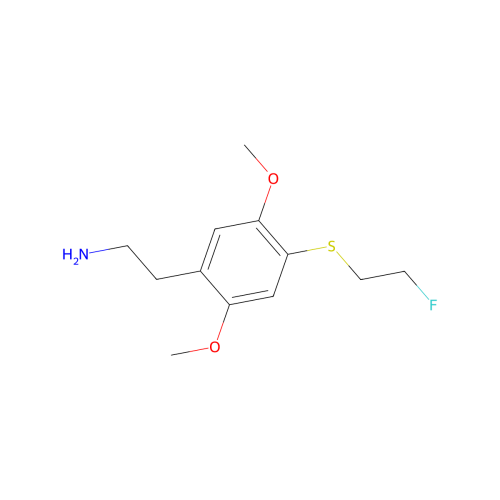
2C-T-21
Price range: $410.00 through $2,996.00Select options This product has multiple variants. The options may be chosen on the product page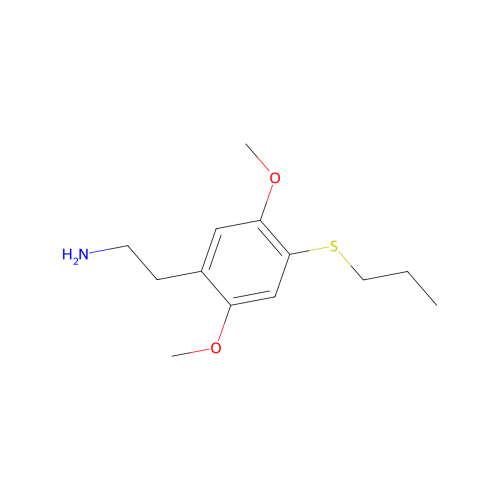
2C-T-7
Price range: $410.00 through $2,996.00Select options This product has multiple variants. The options may be chosen on the product page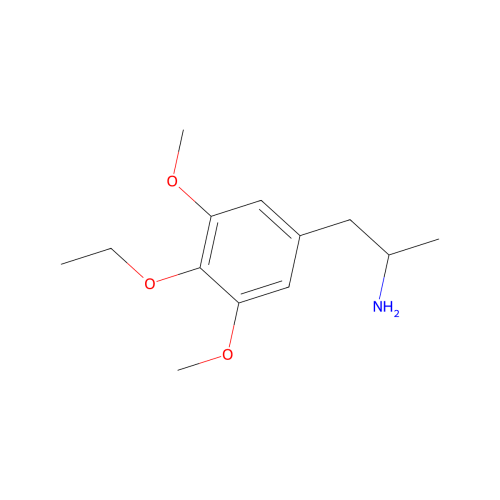
3C-E
Price range: $410.00 through $2,996.00Select options This product has multiple variants. The options may be chosen on the product page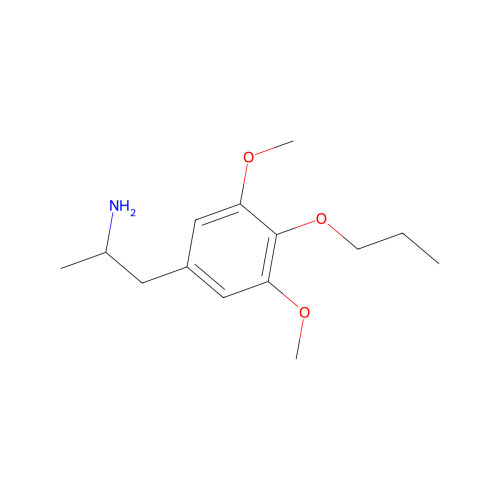
3C-P
Price range: $410.00 through $2,996.00Select options This product has multiple variants. The options may be chosen on the product page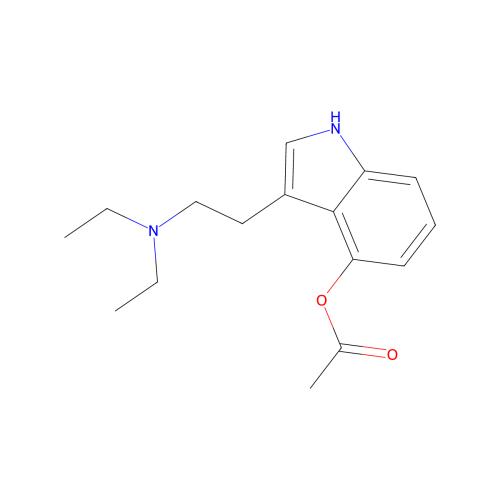
4-AcO-DET freebase
Price range: $389.00 through $2,079.00Select options This product has multiple variants. The options may be chosen on the product page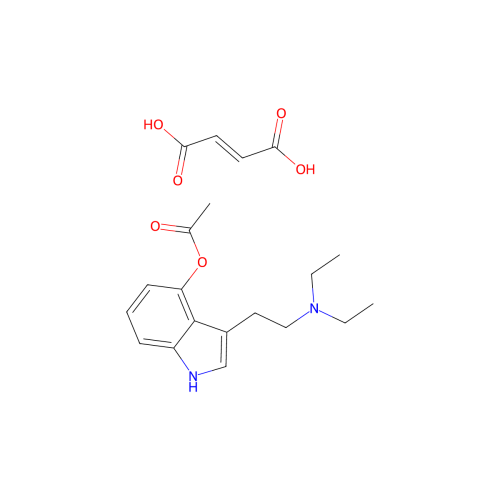
4-AcO-DET fumarate
Price range: $368.00 through $2,048.00Select options This product has multiple variants. The options may be chosen on the product page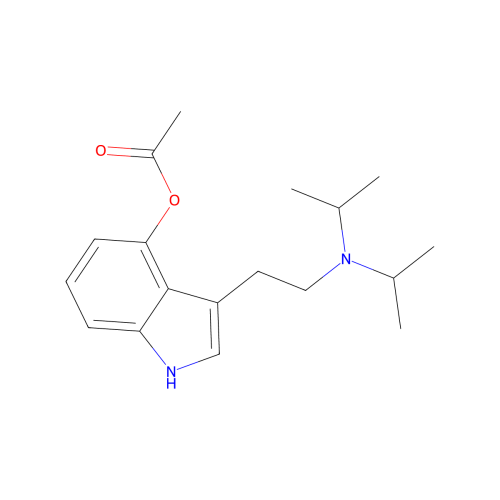
4-AcO-DiPT freebase
Price range: $389.00 through $2,079.00Select options This product has multiple variants. The options may be chosen on the product page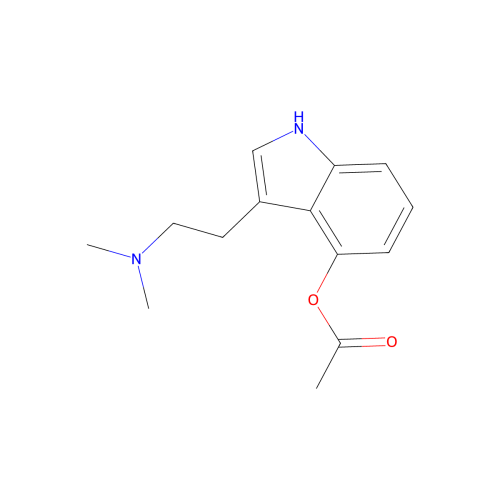
4-AcO-DMT freebase
Price range: $389.00 through $2,079.00Select options This product has multiple variants. The options may be chosen on the product page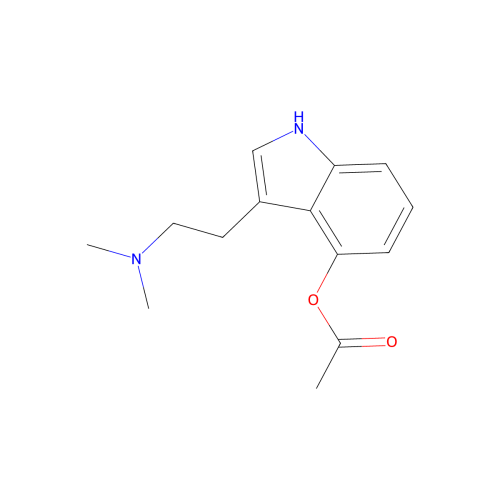
4-AcO-DMT pellets
Price range: $315.00 through $1,050.00Select options This product has multiple variants. The options may be chosen on the product page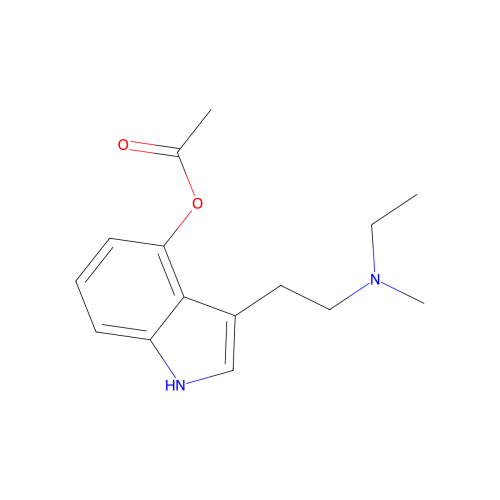
4-AcO-MET freebase
Price range: $389.00 through $2,079.00Select options This product has multiple variants. The options may be chosen on the product page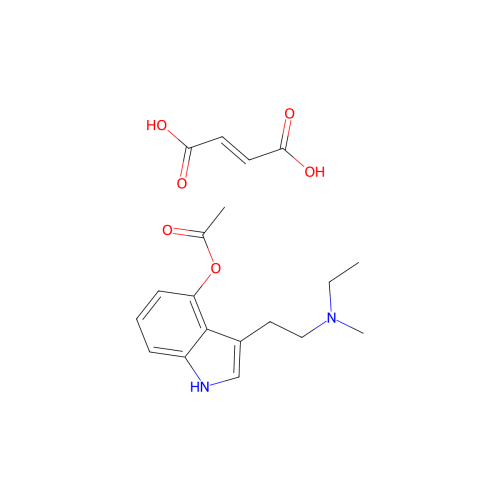
4-AcO-MET fumarate
Price range: $368.00 through $2,048.00Select options This product has multiple variants. The options may be chosen on the product page