Tryptamines
What Are Tryptamines?
Tryptamines are compounds built around an indole ring connected to an aminoethyl side chain. The indole consists of two fused rings, one of which contains nitrogen. This framework appears in endogenous molecules such as serotonin and in psychoactive compounds including N,N-dimethyltryptamine (DMT), psilocin and several synthetic derivatives.
The psychedelic tryptamines are only part of the wider chemical family. A tryptamine structure does not by itself make a molecule hallucinogenic. Natural and synthetic members can act at the same receptors, while the location of a substituent and the way a compound is metabolized help determine its effects.
Psilocybin and Psilocin Are Different Molecules
Psilocin is 4-hydroxy-N,N-dimethyltryptamine. Psilocybin carries a phosphate group at the corresponding oxygen and is converted to psilocin in the body. The names are often used together, but they refer to different chemical species and different stages of exposure.
Human pharmacokinetic work measuring psilocin and its metabolites helped characterize what appears in blood after psilocybin administration. Measuring the active metabolite gives information that the identity of the administered compound alone cannot provide. Analytical reports therefore need to specify which substance was measured.
The numbers in these names identify positions on the ring. A hydroxy group at the 4-position and a methoxy group at the 5-position define different structures. Psilocin, DMT and 5-MeO-DMT are not simply alternative names or interchangeable forms of one psychedelic.
A Shared Serotonin Connection with Different Profiles
Many psychedelic tryptamines activate serotonin 5-HT2A receptors. Their activity at other serotonin receptors and transporters varies, however, and those additional interactions can affect the overall response.
In a comparison of established and newer tryptamines, researchers examined compounds including DMT, psilocin, DiPT, 4-HO-MET and 5-MeO-MiPT in receptor and transporter assays. The newer tryptamines tested acted as partial or full 5-HT2A agonists. Several compounds also interacted with monoamine transporters, giving them profiles that differed from LSD and mescaline.
Transporter interaction does not prove that a substance produces MDMA-like empathy in people. Binding, uptake inhibition and transmitter release are also distinct measurements. The assay tells us which molecular actions were detected; human experiments are needed to establish their contribution to experience, cognition and bodily effects.
DMT in Human Brain Research
DMT’s pronounced, rapidly changing effects have made it useful for investigating altered consciousness. In a study combining EEG and functional MRI, researchers observed changes in network organization and electrical signal diversity during DMT exposure. The findings linked reported intensity with measurable changes in brain activity.
Neither technique directly reveals the content of a person’s experience. EEG records electrical activity at the scalp, while functional MRI measures blood-oxygen-related signals associated with neural activity. Their agreement can strengthen an interpretation, but phrases such as “more connected” should not be mistaken for proof of better cognition or permanent new connections.
5-MeO-DMT Has Its Own Human Evidence
5-MeO-DMT contains a methoxy substituent absent from DMT. Its research literature should be assessed separately, even though both compounds can produce marked alterations in self-experience.
A placebo-controlled phase 1 study in 44 healthy participants examined a defined 5-MeO-DMT formulation. It measured concentrations, subjective effects and tolerability. No serious adverse events occurred; reported adverse effects included nasal discomfort, nausea, headache and vomiting. The study concerned a particular formulation in screened volunteers, and was not designed to establish long-term safety or treatment efficacy.
A separate early study involving 22 healthy volunteers recorded pronounced psychoactive effects without improvement in the measured cognition, mood or well-being outcomes.
Chemical Identity and Metabolism
Many tryptamines discussed as research chemicals have far less human evidence than psilocybin or DMT. Structural resemblance can suggest an experimental question, but cannot establish duration, interactions or the consequences of repeated exposure. Changing the amino group or a ring substituent may also alter metabolism, so findings about one compound’s metabolites do not necessarily apply to another.
For analytical work, closely related names need equally precise identification. A certificate of analysis can document what was found in the submitted sample and how it was measured. That analysis does not supply the pharmacological or clinical evidence available for a better-studied relative. That distinction is especially relevant when an unfamiliar tryptamine is described mainly by comparison with psilocin.
Showing 17–32 of 60 results
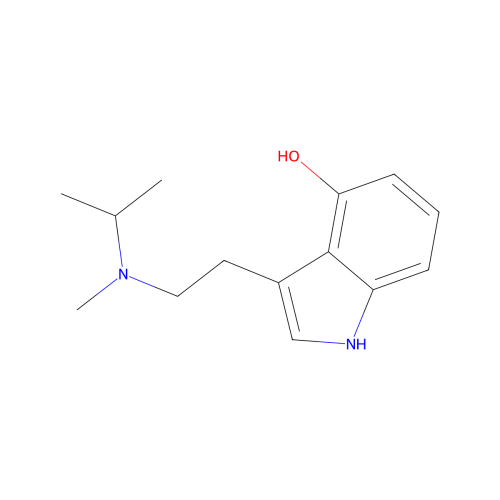
4-HO-MiPT freebase
Price range: $389.00 through $2,079.00Select options This product has multiple variants. The options may be chosen on the product page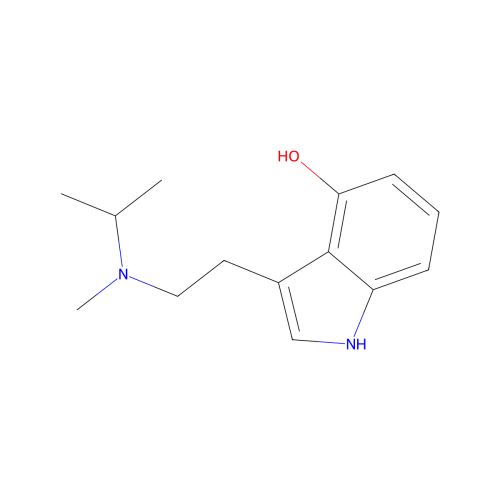
4-HO-MiPT pellets
Price range: $315.00 through $1,050.00Select options This product has multiple variants. The options may be chosen on the product page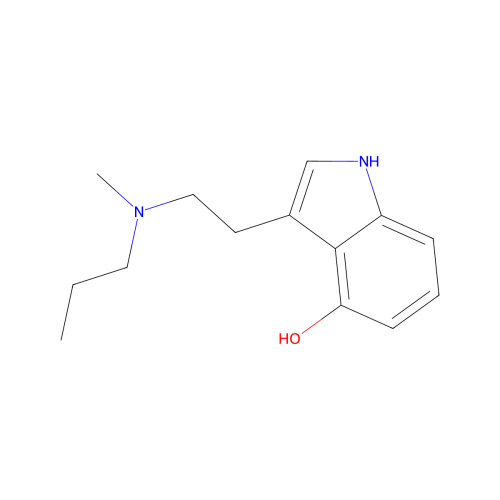
4-HO-MPT freebase
Price range: $389.00 through $2,079.00Select options This product has multiple variants. The options may be chosen on the product page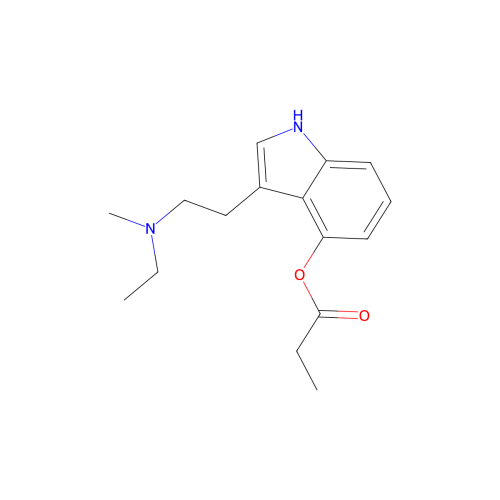
4-PrO-MET freebase
Price range: $389.00 through $2,079.00Select options This product has multiple variants. The options may be chosen on the product page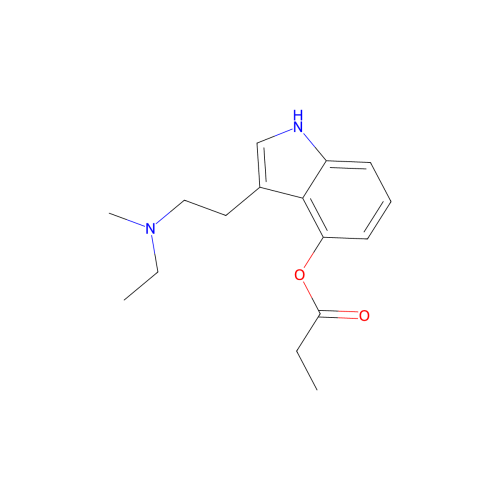
4-PrO-MET pellets
Price range: $315.00 through $1,050.00Select options This product has multiple variants. The options may be chosen on the product page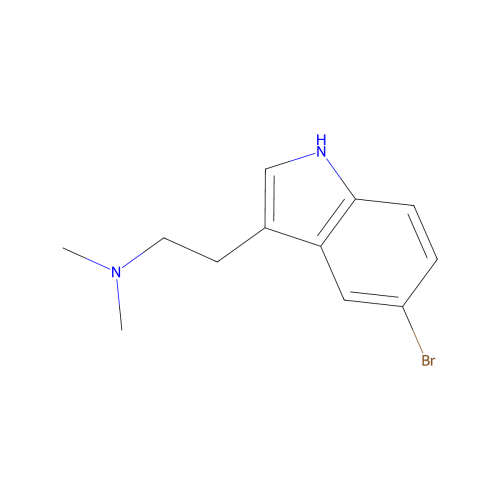
5-Bromo-DMT freebase
Price range: $389.00 through $2,079.00Select options This product has multiple variants. The options may be chosen on the product page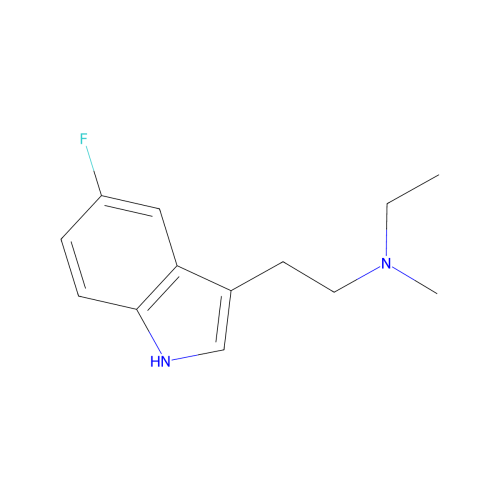
5-F-MET freebase
Price range: $389.00 through $2,079.00Select options This product has multiple variants. The options may be chosen on the product page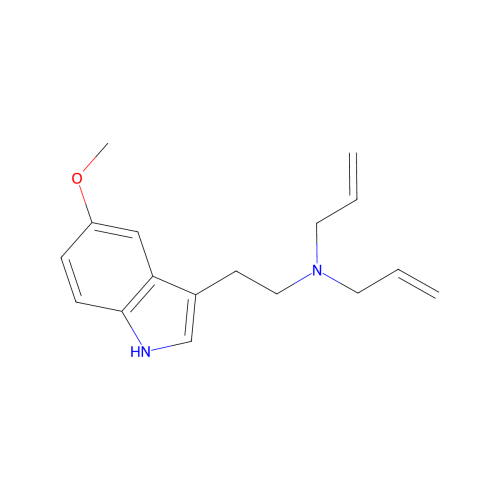
5-MeO-DALT freebase
Price range: $368.00 through $2,048.00Select options This product has multiple variants. The options may be chosen on the product page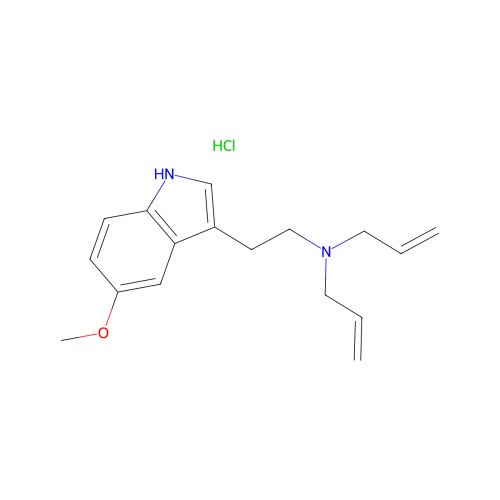
5-MeO-DALT HCL
Price range: $368.00 through $2,048.00Select options This product has multiple variants. The options may be chosen on the product page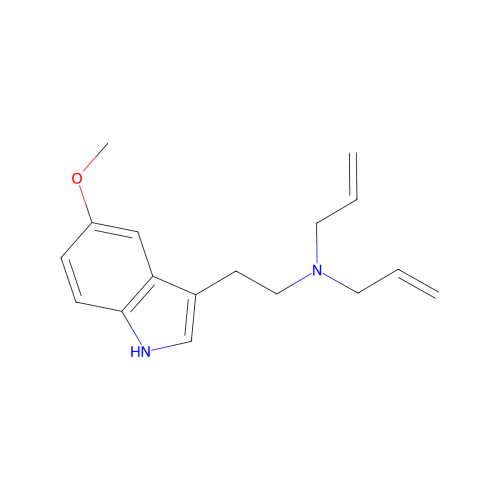
5-MeO-DALT pellets
Price range: $315.00 through $1,050.00Select options This product has multiple variants. The options may be chosen on the product page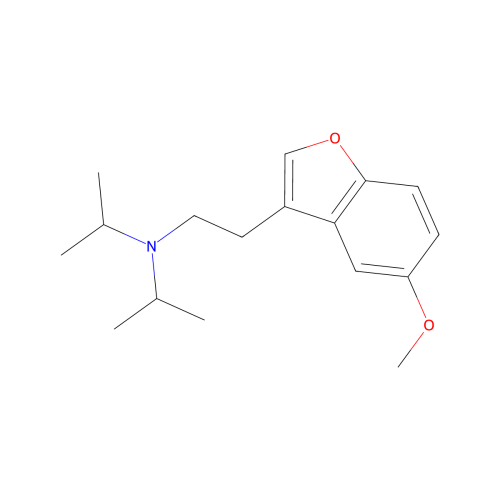
5-MeO-DiBF freebase
Price range: $389.00 through $2,079.00Select options This product has multiple variants. The options may be chosen on the product page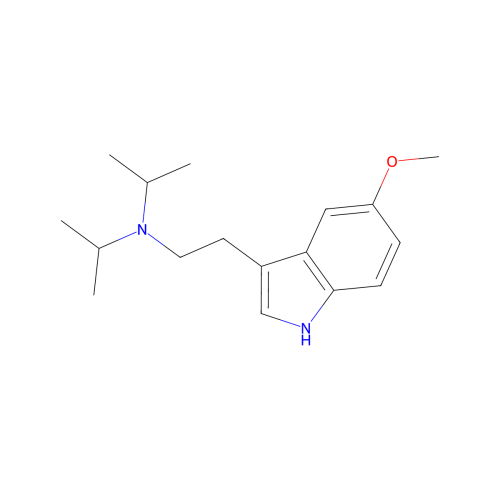
5-MeO-DiPT freebase
Price range: $368.00 through $2,048.00Select options This product has multiple variants. The options may be chosen on the product page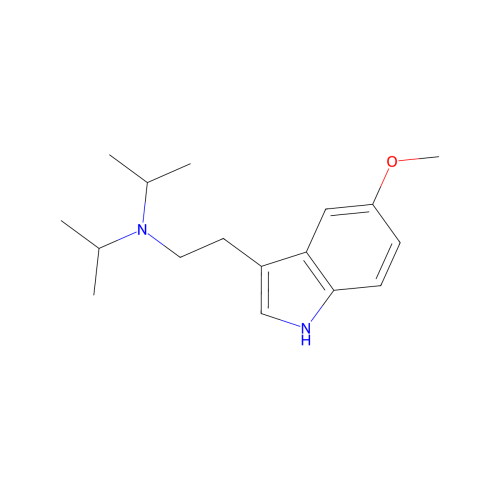
5-MeO-DiPT pellets
Price range: $315.00 through $1,050.00Select options This product has multiple variants. The options may be chosen on the product page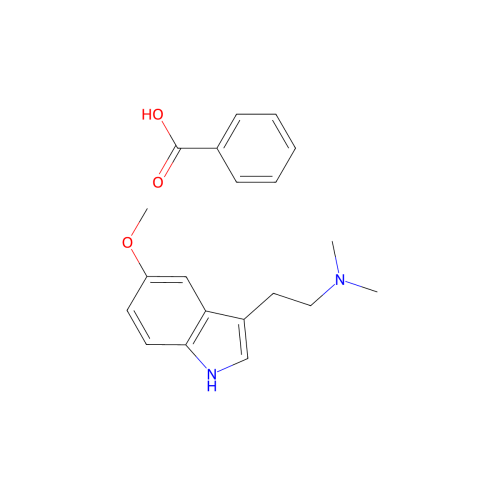
5-MeO-DMT benzoate
Price range: $389.00 through $2,079.00Select options This product has multiple variants. The options may be chosen on the product page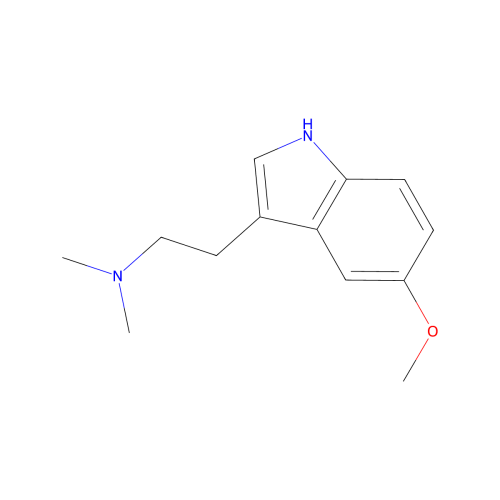
5-MeO-DMT freebase
Price range: $389.00 through $2,079.00Select options This product has multiple variants. The options may be chosen on the product page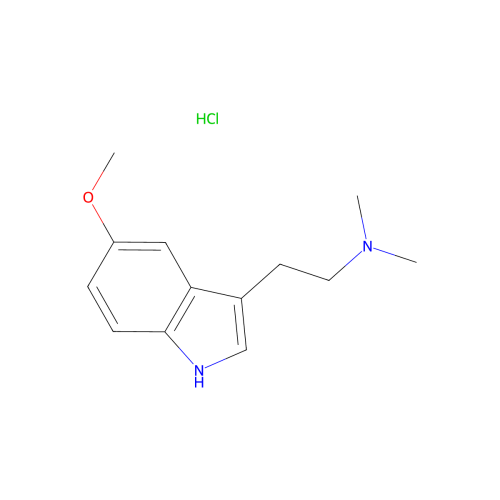
5-MeO-DMT HCL
Price range: $368.00 through $2,048.00Select options This product has multiple variants. The options may be chosen on the product page